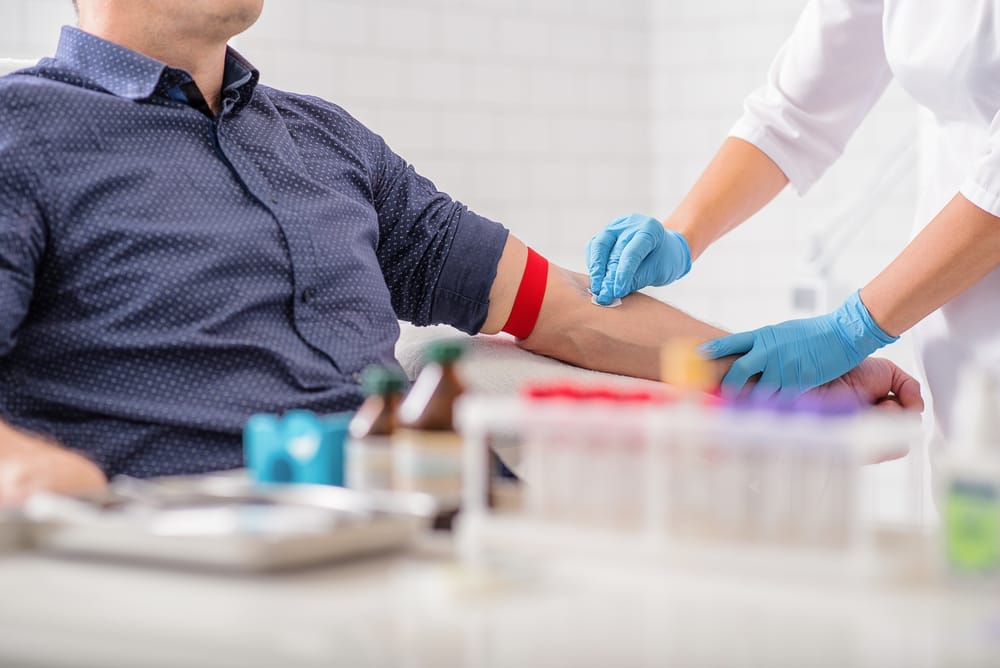

When it comes to HIV, recognising the immediate symptoms is key to early detection and proper care. This guide explains the early warning signs, why acting quickly matters, and the next steps to safeguard your health.
For a primer on the testing process, read how anonymous STD testing works.
This post will help you identify the initial symptoms, understand when to get tested, and offer practical advice for managing your health here in Singapore. Early detection not only brings peace of mind but also ensures timely treatment, which can significantly reduce transmission and improve long-term outcomes.
With the right care, people diagnosed with HIV can lead full and healthy lives. If you’re feeling uncertain or just want to learn more, you’ve come to the right place.
What Is HIV?
HIV stands for Human Immunodeficiency Virus, a sexually transmitted infection that attacks your immune system. Symptoms of HIV can vary, but one of the first signs might be flu-like symptoms such as fever, sore throat, or fatigue.

If left untreated, HIV may progress to chronic HIV and, over time, acquired immunodeficiency syndrome (AIDS). The virus primarily targets CD4 cells, a type of white blood cell that helps your body fight off infections.
When your CD4 count drops, your body becomes more vulnerable to illnesses. Early HIV symptoms in men can sometimes be harder to detect, but it is crucial to recognize them to seek timely treatment.
You can get HIV through:
- Unprotected sex (vaginal, anal, or oral) with someone who has HIV
- Sharing needles, syringes, or other injection equipment
- From mother to child during childbirth or breastfeeding (though this is rare in Singapore thanks to effective prevention)
- Blood transfusions (extremely rare here due to rigorous screening)
Those with HIV are at a higher risk of developing serious illnesses if the virus is left untreated. The only way to know for sure if you have HIV is to get tested. Early awareness empowers you to take control, seek treatment, and protect others.
Understanding the Acute Phase of HIV
After exposure, HIV passes through different phases. The first stage is known as the acute (early) phase of HIV infection and is a critical period for understanding the early symptoms of HIV and the signs and symptoms of HIV.
Timeline:
This stage usually begins 2 to 4 weeks after initial exposure to the virus and can last for several weeks. During this time, the virus rapidly multiplies in your body and your immune system fights back, often producing noticeable symptoms. However, not everyone living with HIV will experience the same signs, and some may have no symptoms at all.
Understanding the acute phase is essential because this is when the risk of HIV transmission is highest due to the large amount of the virus in the blood and genital fluids. For more insights into HIV and AIDS, learning about this phase is key.
Immediate Symptoms of HIV
Now, let’s talk about what those early symptoms may look like. These symptoms may appear suddenly and often resemble those of other common viral infections, which can make them tricky to spot. Here’s what you might notice 2 to 4 weeks after being exposed to HIV:
1. Fever
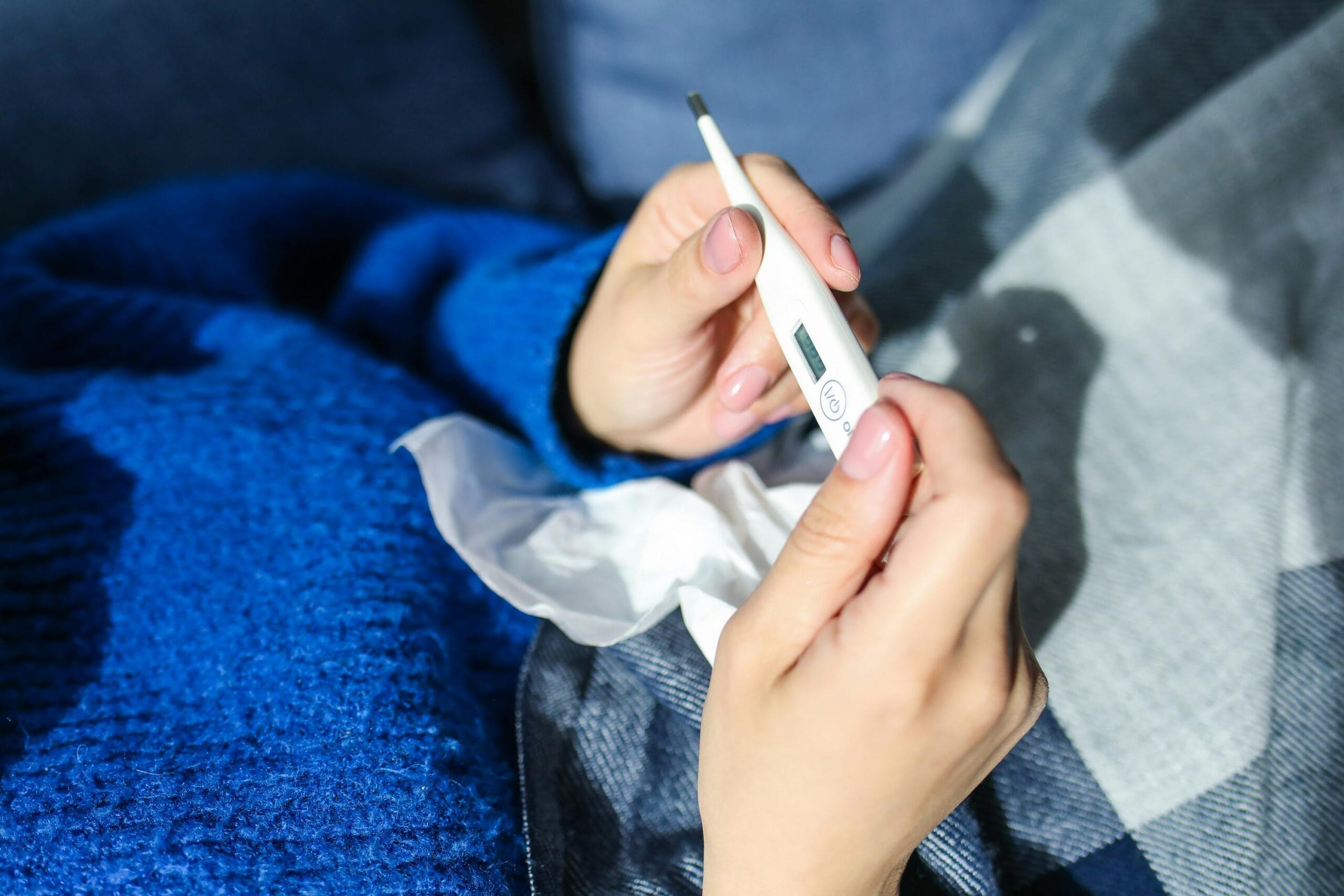
The most frequently reported first symptom of HIV is a mild to high fever (often above 38°C). Fever is the body’s natural response to infection and is often accompanied by other symptoms.
2. Fatigue
Feeling extremely tired-even after a good night’s sleep-is another common sign. This type of fatigue is usually sudden and more intense than everyday tiredness.
3. Swollen Lymph Nodes
Lymph nodes (found in your neck, armpits, and groin) may become tender and enlarged. This is your immune system ramping up to fight the new infection.
4. Sore Throat

A persistent or severe sore throat, sometimes with difficulty swallowing, can occur in the early phase. It may not improve with standard home remedies as quickly as a usual sore throat.
5. Rash
Up to half of people experience a flat or slightly raised rash, typically appearing on the torso, face, or limbs. It’s usually not itchy but may be accompanied by ulcers in the mouth.
6. Muscle and Joint Pain

Aches and pains in your muscles and joints, similar to those from a bad flu, can also appear. These tend to be generalized and last longer than usual post-exercise soreness.
7. Headaches
Recurring or severe headaches are common. Sometimes, these can be mistaken for stress-related headaches but often occur alongside other symptoms.
Severity Varies
It’s important to note that symptom severity and duration may vary from person to person. Some individuals have very mild symptoms or none at all during this stage. That’s why you cannot rule out the possibility of HIV infection based on symptoms alone. If you suspect you’ve been exposed, it’s crucial to seek HIV treatment right away.
Additionally, conditions like a yeast infection may also indicate a weakened immune system caused by the virus. Always consult a healthcare professional for proper diagnosis and guidance.
Differentiating Early HIV Symptoms from Other Illnesses
Because immediate HIV symptoms often mimic the flu or respiratory infections, it’s easy to assume you’re just under the weather. However, these symptoms may indicate an early HIV infection or a recent HIV infection, especially if:
- You have had unprotected sex with a new or multiple partners.
- You know your partner has HIV or you are unsure of their status.
- You’ve shared needles or other drug-use equipment.
If you suspect you may have been infected with HIV during the early stage, symptoms alone are not a reliable way to know for sure. Many other viral infections can cause similar signs. Always consult a medical professional rather than self-diagnose.
Why Early Detection is Crucial?
Getting tested for HIV early has significant health benefits. If you test positive, starting antiretroviral therapy (ART) as soon as possible can:
- Improve your long-term health and quality of life.
- Lower the risk of HIV progressing to chronic HIV or AIDS.
- Reduce your viral load, making it very unlikely to transmit the virus to others (“undetectable equals untransmittable”).
If you test negative, you still gain useful information about your health status and can take additional precautions to reduce your risk of HIV in future.
When to Get Tested In Human Immunodeficiency Virus?
Timing is everything. Here’s what you should know:
- Window Period: After a possible exposure, HIV tests may not detect the virus immediately. Most tests can reliably identify HIV infection about 2 to 4 weeks after exposure, but some types require a longer window for accurate results.
- Repeat Testing: If your initial test was during the window period, a follow-up test after 3 months is recommended to confirm the result.
Types of HIV Tests in Singapore
- Rapid (finger-prick) tests – Results available within 20 minutes.
- Lab-based antibody/antigen tests – Highly accurate, results depends on how comprehensive the tests are.
- Anonymous testing is available at approved clinics, including Mediway Medical, for those concerned about privacy.
Regular screenings are also part of routine sexual health check-ups in Singapore. Remember, the only way to know for sure is to get tested for HIV.
The Stages of HIV Infection
HIV progresses through distinct stages, each impacting the body differently. Early diagnosis and treatment are crucial in managing the infection effectively.
Acute HIV Infection
This is the initial stage, which typically occurs 2 to 4 weeks after exposure to the virus. During this phase, people may experience flu-like symptoms such as fever, sore throat, or fatigue. This is when the virus multiplies rapidly, and the body’s immune system begins to respond.
Chronic HIV Infection (Clinical Latency Stage)
Also known as the asymptomatic stage, this phase can last for years if untreated. The virus continues to replicate at lower levels, and individuals may not experience noticeable symptoms. However, regular medical monitoring is essential as the virus can still damage the immune system over time.
AIDS (Acquired Immunodeficiency Syndrome)
This is the most advanced stage of HIV infection. At this point, the immune system is severely weakened, making individuals susceptible to opportunistic infections and certain cancers. With proper treatment, progression to AIDS can often be prevented. Early diagnosis and adherence to antiretroviral therapy (ART) are crucial in managing the condition and maintaining quality of life.
What to Do if You Experience Immediate Symptoms?
If you notice any of the above symptoms and think you might have been at risk of HIV, here’s what I advise:
- Consult a Doctor Promptly: Don’t panic, but don’t delay. Seek a medical professional who can advise you on appropriate testing and care.
- Get Tested for HIV: This is the only way to confirm if you have contracted the virus. Early testing leads to better outcomes.
- Practice Safe Behaviors: Until you know your HIV status, use condoms and avoid sharing needles or personal items that may carry blood.
- Seek Support: If you feel anxious or afraid, talk to someone you trust. Confidential support services and counseling are widely available.
- Don’t Blame Yourself: Remember, anyone can contract HIV. What matters most is taking action now.
At Mediway Medical Clinic, we provide compassionate and confidential testing and counseling to support your health.
Resources and Support in Singapore
It’s reassuring to know that you have many local options for HIV screening and care. Here are some helpful resources:
- Mediway Medical Clinic:
Comprehensive HIV and STI testing, health screenings, and GP consultations in a safe, caring environment. Visit our website or learn more about Dr. Qiao YuFei
- Action for AIDS (AFA) Singapore:
Anonymous testing and support services.
- DSC Clinic, Tan Tock Seng Hospital:
Specialist HIV and STI care.
- HealthHub:
Official health information and clinic locators for Singapore residents.
If you need immediate testing or support, reach out to one of these clinics, or call Mediway Medical to schedule an appointment.
Related Reading
Explore our sexual health clinic.