
How Do You Catch HIV? Understanding the Risk Factors
 Medically reviewed by Dr. Qiao Yufei, MD · MBBS · Last reviewed 6 July 2026
9 min read
Medically reviewed by Dr. Qiao Yufei, MD · MBBS · Last reviewed 6 July 2026
9 min read
Have you ever wondered how do you catch HIV or transmitted? It’s a question I’m often asked, and I want to help clear up the confusion. HIV spreads in specific ways, such as through unprotected sex, sharing needles, or from mother to child during childbirth or breastfeeding-but it doesn’t spread through casual contact like shaking hands or sharing food.
For a primer on the testing process, read how anonymous STD testing works.
Understanding these methods not only helps protect yourself but also reduces unnecessary fear. Together, we’ll explore the facts about HIV transmission, so you can stay confidently informed and safe.
Why Understanding HIV Transmission Matters
HIV (human immunodeficiency virus) still carries significant stigma. Many people have lingering doubts about how the virus is passed, and others may underestimate their own risk or overestimate the risk from casual contact.
Accurate knowledge about HIV prevention helps us dismantle myths, reduce anxiety, and encourage responsible, compassionate approaches to health.
You’ll find in this article:
- What HIV actually is and how it affects the body
- The main ways HIV can be transmitted
- Which behaviors and factors notably increase your risk
- The biggest misconceptions (and why they’re false!)
- Practical steps you can take for HIV prevention and lowering exposure
- The role of regular testing, and what to do if your result is positive
- How to access HIV screening and support services in Singapore
What is HIV?
HIV stands for human immunodeficiency virus. It targets the body’s immune system, attacking CD4 cells (a type of white blood cell) and making it harder for your body to fight infections.
Untreated, HIV can lead to AIDS (acquired immunodeficiency syndrome), a late stage where the body is much more vulnerable to serious infections and certain cancers.
HIV vs AIDS
It’s important to remember:
- HIV is the virus itself. With proper treatment (antiretroviral therapy, ART), most people with HIV will never develop AIDS and can live healthy, fulfilling lives.
- AIDS is the advanced immune deficiency that can occur if HIV goes untreated for years.
How is HIV Passed From Person to Person?
HIV is transmitted via specific body fluids:
- Blood
- Semen (including pre-seminal fluid)
- Vaginal and rectal fluids
- Breast milk
For someone to become infected, the virus must enter the bloodstream. This happens in particular situations, which we’ll cover next.
Understanding HIV Transmission: How Do You Catch It?
Here are the most common scenarios that can result in HIV exposure:
1. Unprotected Sexual Contact
- Vaginal or Anal Sex: These are the most significant risk factors. Anal sex (especially receptive) carries the highest risk, due to the thin lining of the rectum and higher chance of broken skin, allowing the virus to enter.
- Oral Sex: The risk is lower, but not zero, especially if there are cuts, sores, or bleeding gums.
2. Sharing Needles or Syringes
- Using a needle or syringe that has already been used by someone living with HIV can pass the virus directly into your bloodstream. This is a major risk for people who inject drugs.
3. Mother-to-Child Transmission
- A mother can pass HIV to her child during pregnancy, childbirth, or breastfeeding. Effective HIV treatment during pregnancy greatly reduces this risk.
4. Blood Transfusions or Organ Transplants
- This mode of HIV transmission is now extremely rare in Singapore because of robust blood screening and strict healthcare protocols.
Situations That Do Not Pass the Virus
HIV is not spread through:
- Hugging, shaking hands, or casual touch
- Sharing utensils, cups, or toilets
- Coughing, sneezing, or the air
- Swimming pools or insect bites
You do not become infected by sharing daily spaces, attending school, or working alongside someone living with HIV.
How Do You Get HIV? Risk Factors
It’s natural to wonder ‘How much HIV might I be exposed to in different situations?’ Here’s what elevates your risk of HIV infection:
High-Risk Behaviors
- Having Multiple Sexual Partners: The more partners you have, especially without knowing their HIV status, the higher the risk of HIV infection.
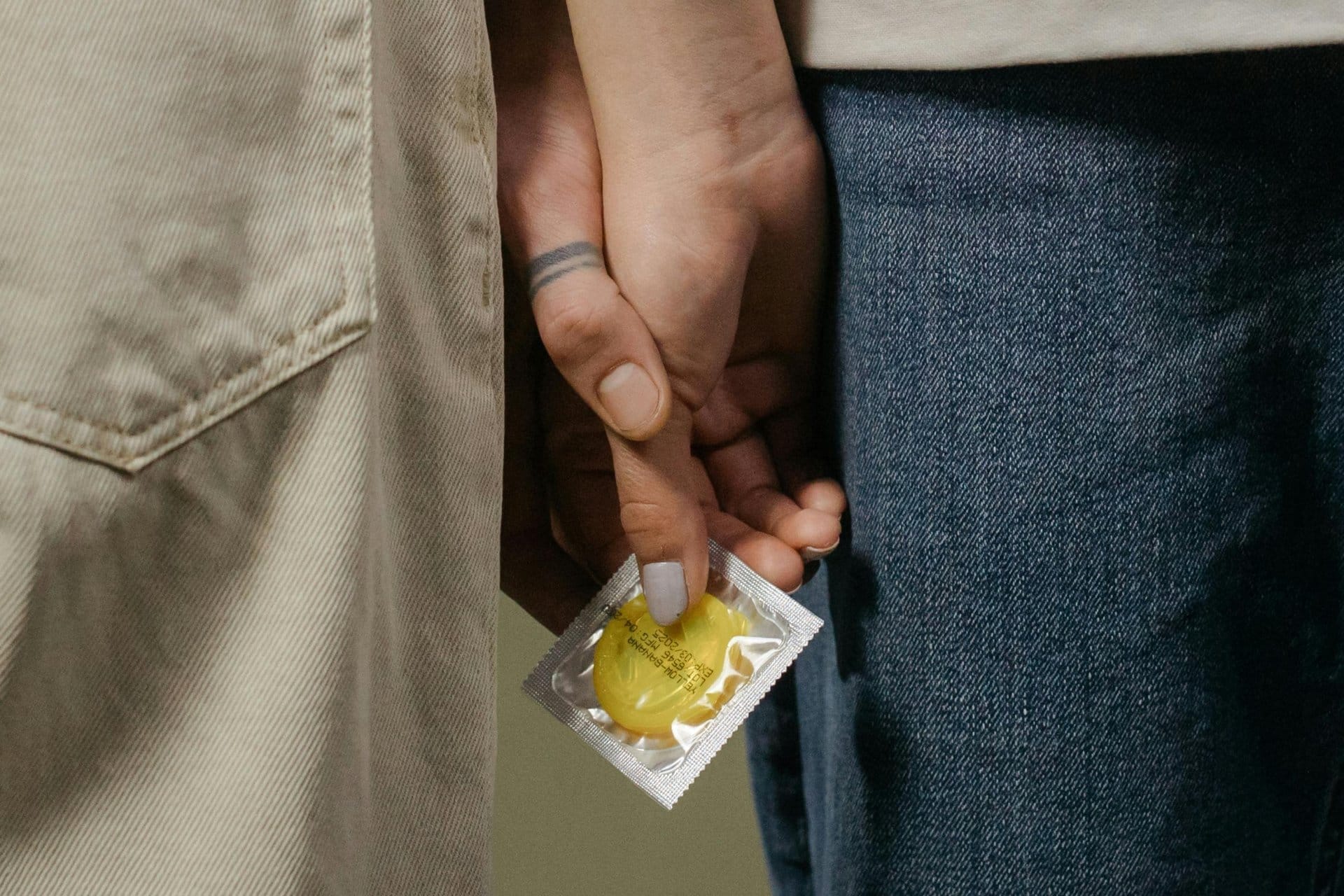
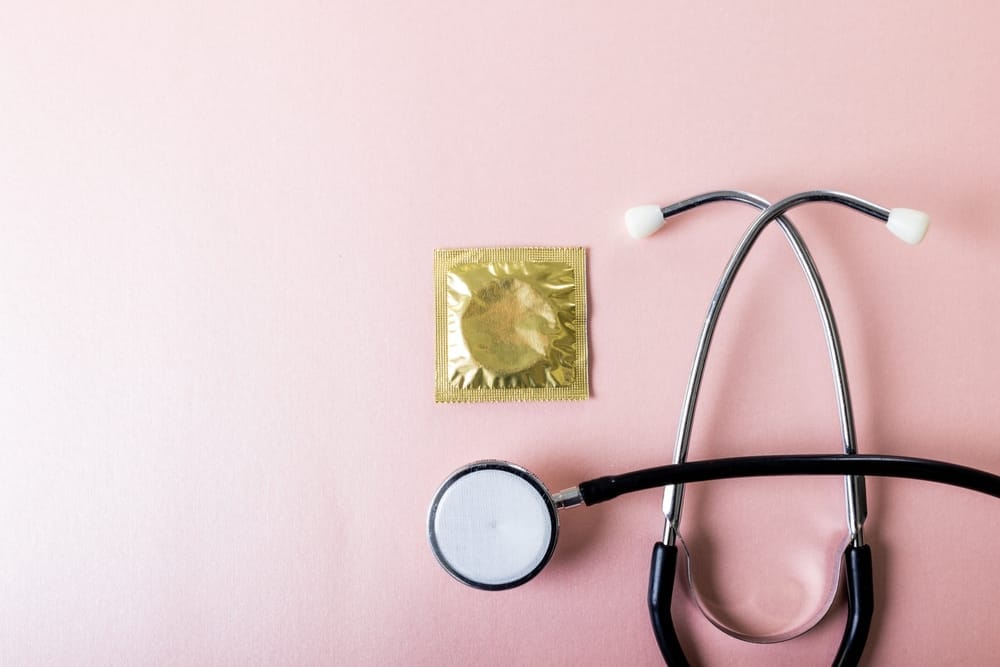
- Not Using Condoms: Condoms are highly effective in preventing HIV if used correctly and consistently, as they significantly reduce the risk of HIV.
- Frequenting High-Prevalence Areas: Social circles, venues, or regions with higher rates of HIV increase your chances of exposure if precautions aren’t taken.
Biological and Health Factors
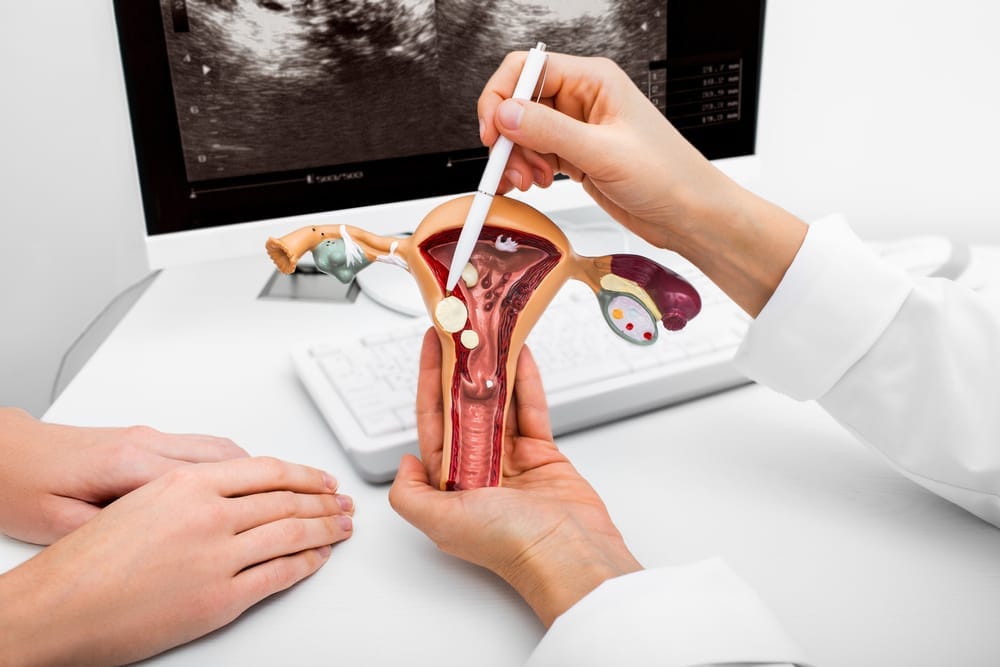
- Other Sexually Transmitted Diseases: STDs like syphilis, gonorrhea, or herpes can cause sores or inflammation, facilitating easier HIV entry and increasing the higher risk of HIV infection.
- Open Cuts or Broken Skin: Any exposure where HIV-positive fluids make contact with broken skin increases risk.
Social and Economic Factors

- Limited Access to Healthcare or Education: People with less information about HIV or fewer means to access protection and testing may be more vulnerable.
- Currently No Cure for HIV: Understanding that there is currently no cure for HIV emphasizes the importance of prevention and early detection.
Being aware of these factors allows us to focus on the most effective HIV prevention measures, which greatly reduce the risk of HIV.
Common Myths About HIV Transmission
Even in an information-rich country like Singapore, myths about HIV exposure and transmission persist. Let’s put them to rest:
Debunking Misconceptions
- “You can get HIV from kissing, tears, sweat, or saliva.”
False. There is an extremely low amount of HIV in saliva and tears-not enough to pass the virus, unless both parties have serious, open wounds in their mouths (a rare scenario). Being exposed to HIV this way carries no real risk of HIV transmission.
- “You can catch HIV from mosquitoes or bugs.”
Wrong. HIV cannot survive or replicate in insects. Mosquitoes do not inject blood from one person into another.
- “You’ll become infected by touching, hugging, or using the same bathroom as someone with HIV.”
Absolutely not. Only specific body fluids, directly contacting your bloodstream or mucous membranes, can transmit HIV.
How Misinformation Hurts
Misinformation about HIV and AIDS can:
- Increase stigma against those living with HIV.
- Discourage healthy habits like regular health checks.
- Prevent people from seeking the support, HIV medicine, and treatment they deserve.
Accurate information helps everyone make safer, more respectful choices.
Prevention Methods That Really Work
You have the power to reduce your risk of contracting HIV significantly. Here are proven HIV prevention strategies I recommend to all my patients:
Consistent and Correct Condom Use
- Condoms are highly effective at blocking HIV and many other STDs. Use them for every episode of vaginal or anal sex.
- Make sure the condom is worn from start to finish and is not expired or damaged.
Regular HIV and STD Testing
- Know your own status, and encourage your partners to do the same.
- Early detection allows for effective HIV treatment, and reduces the amount of HIV in the body-lowering the chance of passing it on.
PrEP and PEP
- Pre-Exposure Prophylaxis (PrEP): For those at higher risk, daily medication can prevent infection, even if exposed.
- Post-Exposure Prophylaxis (PEP): If you believe you’ve been exposed, starting PEP within 72 hours can stop HIV from taking hold.
Safe Needle Programs
- Never share needles or other equipment for injecting drugs, tattooing, or piercing.
- Use only sterile, single-use equipment.
Communication and Education
- Have honest conversations with partners about sexual history and HIV status.
- Don’t hesitate to ask a healthcare professional for advice on prevention.
Vaccines and Research
- While there’s currently no vaccine for HIV, ongoing research in Singapore and globally continues to advance prevention and potential future cures.
Remember: Prevention plays a key role alongside treatment. Take proactive steps to protect yourself and others.
The Importance of Regular Testing
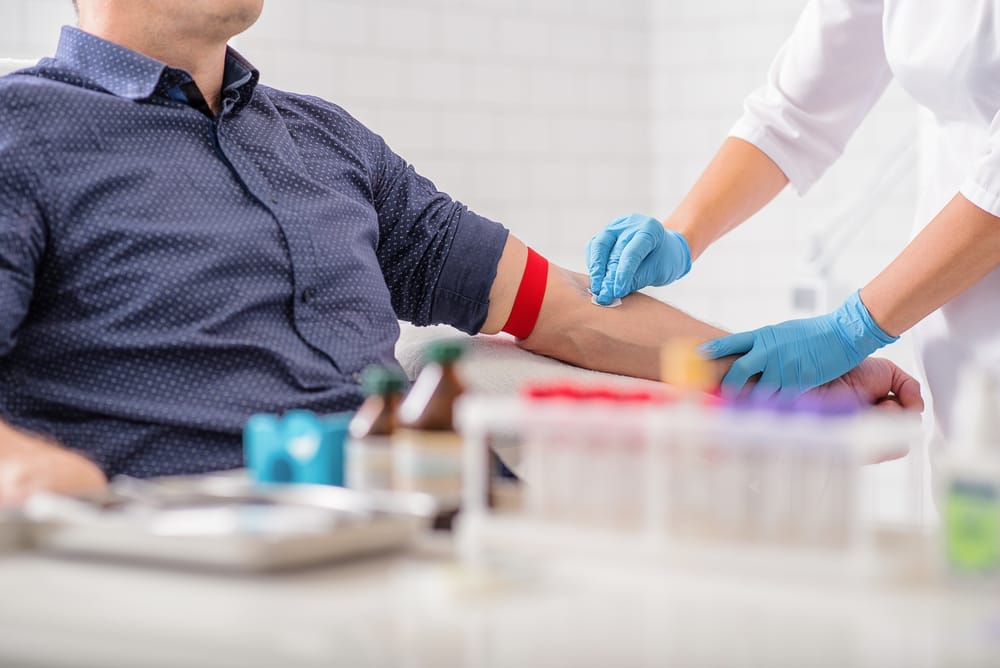
Testing for HIV is easier, faster, and more confidential than many people think.
When and Why Should You Test?
- After potential exposure to HIV (e.g., unprotected sex, shared needles).
- If you change sexual partners or begin a new relationship.
- For anyone in a high-risk group (sex workers, men who have sex with men, people with multiple sexual partners).
- Pregnant women (to protect the unborn child).
Types of Testing and Where to Get It
Anonymous Testing: Singapore offers anonymous HIV testing at select clinics.
Rapid Testing: Some tests can return results in 20 minutes.
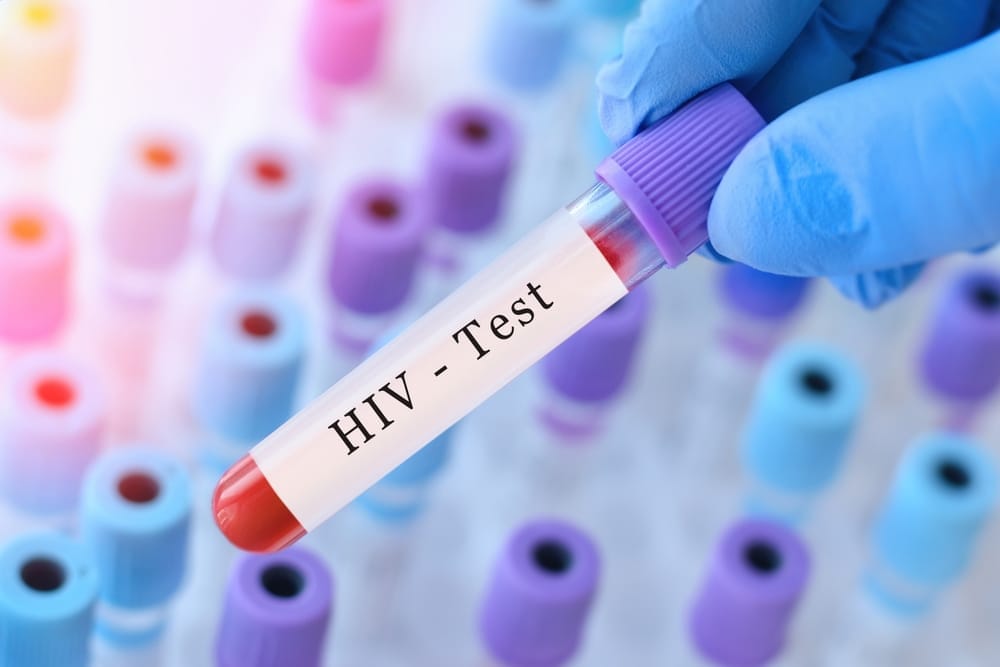
Home Test Kits: Self-testing is possible, but confirmatory lab tests are still important.
At Mediway Medical Clinic:
We offer discreet STD and HIV screening, designed for privacy and accuracy. Our friendly staff provide support, information, and follow-up care. You’re not alone, and there’s never any judgement.
Benefits of Early Detection
- Reduces overall amount of HIV in the body (viral load) with effective HIV treatment (ART).
- Prevents serious health complications.
- Lowers the chance of passing HIV to others.
What To Do If You Test Positive for HIV?
A positive result is overwhelming, but you are not alone. Here’s how I support my patients:
Steps to Take
- Don’t Panic: With prompt, effective treatment, people with HIV can live long, healthy lives.
- Seek Medical Care: Start antiretroviral therapy (ART) as soon as possible. This medication controls the virus and keeps your immune system strong.
- Get Emotional Support: Counselling services, peer groups, and online resources exist to help you process emotions and build resilience.
- Follow Up Regularly: Ongoing monitoring ensures treatment remains effective and manages any side effects.
- Live Healthily: Many people with HIV continue to work, have families, and lead fulfilling lives.
Get Tested
If you’ve ever engaged in anal or vaginal sex without protection, it’s important to get tested for HIV or any sexually transmitted infection. Early detection allows for prompt treatment and better outcomes.
Adherence to Medication
Taking ART each day as prescribed is crucial for keeping the amount of HIV in your system “undetectable”-making it impossible to pass the virus through sex.
Accessing Support
Mediway Medical offers confidential care every step of the way, from testing through to ongoing treatment and advice. If you need support, please reach out.
Your Health, Your Control
Understanding the risk factors for HIV infection and knowing how to prevent exposure empowers you to make choices that protect your health. Regular HIV and STD screening are smart, proactive steps for anyone who is sexually active or may be at risk of HIV.
If you have concerns about possible exposure to HIV, want to learn more about HIV prevention, or wish to schedule a confidential screening, Mediway Medical is here for you. Our clinics prioritize patient dignity, privacy, and well-being.
For more information or to book your health screening, visit Mediway Medical’s HIV/STD Screening Services.
Take Charge of Your Sexual Health
Thank you for taking the time to learn about HIV. If you have questions, want to book an appointment, or just need advice, please reach out in the comments or directly through Mediway Medical Clinic. Together, we can end the stigma, protect our health, and support those living with HIV.
Stay healthy and proactive,
Related Reading
Explore our sexual health clinic.
Frequently Asked Questions
01 Can kissing transmit HIV?
Only in extremely rare cases where both partners have serious open sores or bleeding gums. Saliva carries an extremely low amount of HIV and cannot transmit the virus under normal circumstances.
02 Is it safe to share razors or toothbrushes?
Not recommended. While the risk is low, blood may be present. Always use your own personal care items.
03 Can a person with HIV have children safely?
Yes with proper medical care. Treatment during pregnancy and avoiding breastfeeding can virtually eliminate the risk to the child.


Why Choose Us
Choose Mediway Medical for reliable and efficient medical examinations, with on-site facilities, streamlined processes, and clear reporting timelines.
One-Stop Medical Centre
We provide comprehensive services in a single visit, including on-site chest X-ray and required medical tests.
Patient-Centred Experience
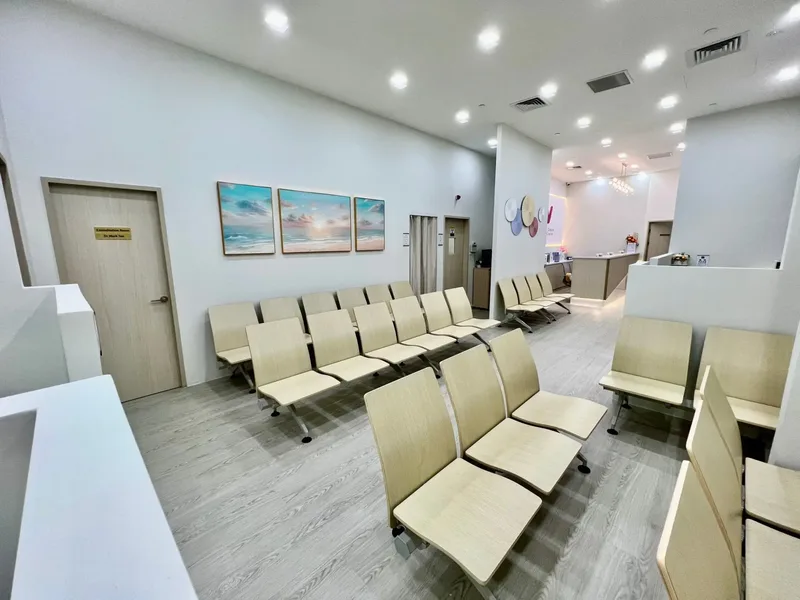
Our dedicated healthcare team focuses on providing clear guidance, professional care, and a comfortable clinic experience.
Minimum Waiting Time
We prioritise efficient workflows to keep waiting times short while maintaining accuracy and care quality.
Fast Turnaround Time
Medical reports are ready by the next working day, with same-day reporting available for selected cases.
Book Your Visit
Walk-ins welcome up to 30 minutes before closing.
Directions
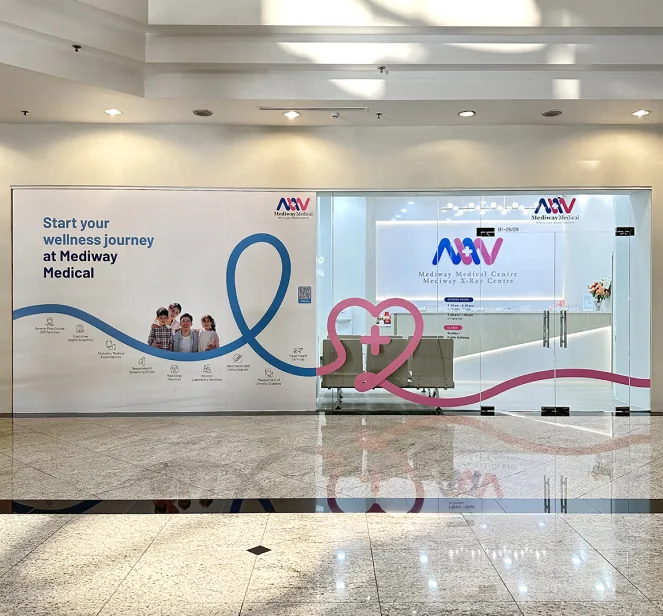
Located in central Singapore, just a 2-minute walk from Clarke Quay MRT.
Mon–Fri before 5/6pm: $2.00 for 1st hr, $1.00 for next subsequent 30min from 7am to 5pm
Mon–Fri after 5/6pm: $3.21/entry from 5pm to 7am the following day
Sat: $2.00 for 1st hr, $1.00 for next subsequent 30min from 7am to 5pm, $3.21/entry from 5pm to 7am the following day
Sun/PH: $3.21/entry from 7am to 7am the following day
Exit E. 2-minute walk along the river towards The Riverwalk building. We are at #B1-26/29.