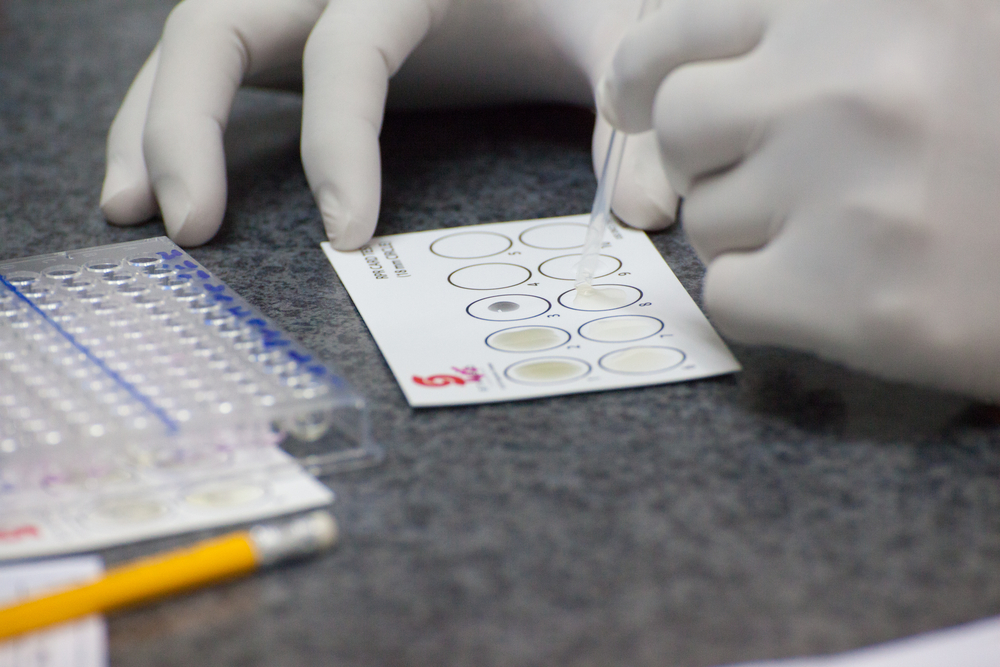
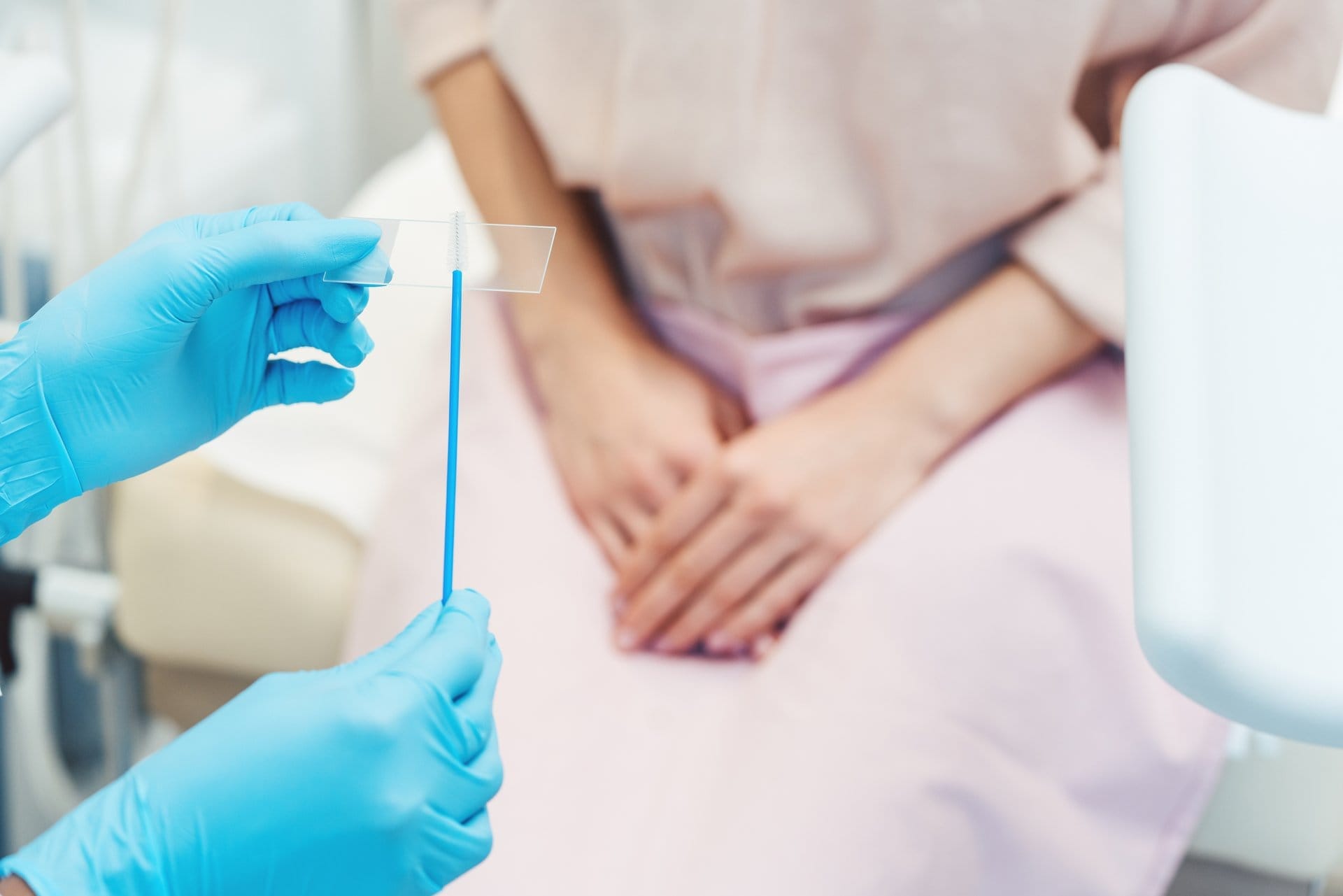
Early detection of genital warts is essential for safeguarding your health. While it may feel like a sensitive topic, recognizing the signs early can make a big difference.
For a primer on the testing process, read how anonymous STD testing works.
This guide will help you identify genital warts, understand their symptoms, and explore treatment and prevention options. Caused by HPV, genital warts can be managed effectively with the right knowledge and care. If you’re concerned, remember that support is here, and you’re not alone.
What Are Genital Warts?
Genital warts are a very common sexually transmitted infection (STI), caused by certain strains of the human papillomavirus (HPV). The virus is most often spread through skin-to-skin contact during vaginal, anal, or oral sex with an infected partner-even if the person has no visible symptoms.

There are many myths and misconceptions around genital warts, so let’s clear a few up:
- Myth: Only people with poor hygiene get warts.
- Fact: Anyone who is sexually active, regardless of hygiene, can contract HPV.
- Myth: Genital warts always cause cancer.
- Fact: The HPV strains that cause warts are different from the types known to cause cancer, such as cervical cancer. However, regular screening with a Pap test is key for early detection of any cell changes.
- Myth: You can catch genital warts from toilet seats.
- Fact: The risk of catching HPV from a toilet seat is extremely low. The virus typically needs direct skin-to-skin contact to spread.
Early Signs and Symptoms Of Genital Warts in Female
Recognizing early signs is essential for prompt treatment. Genital warts are caused by certain strains of the human papillomavirus (HPV). Genital warts in women may appear as:
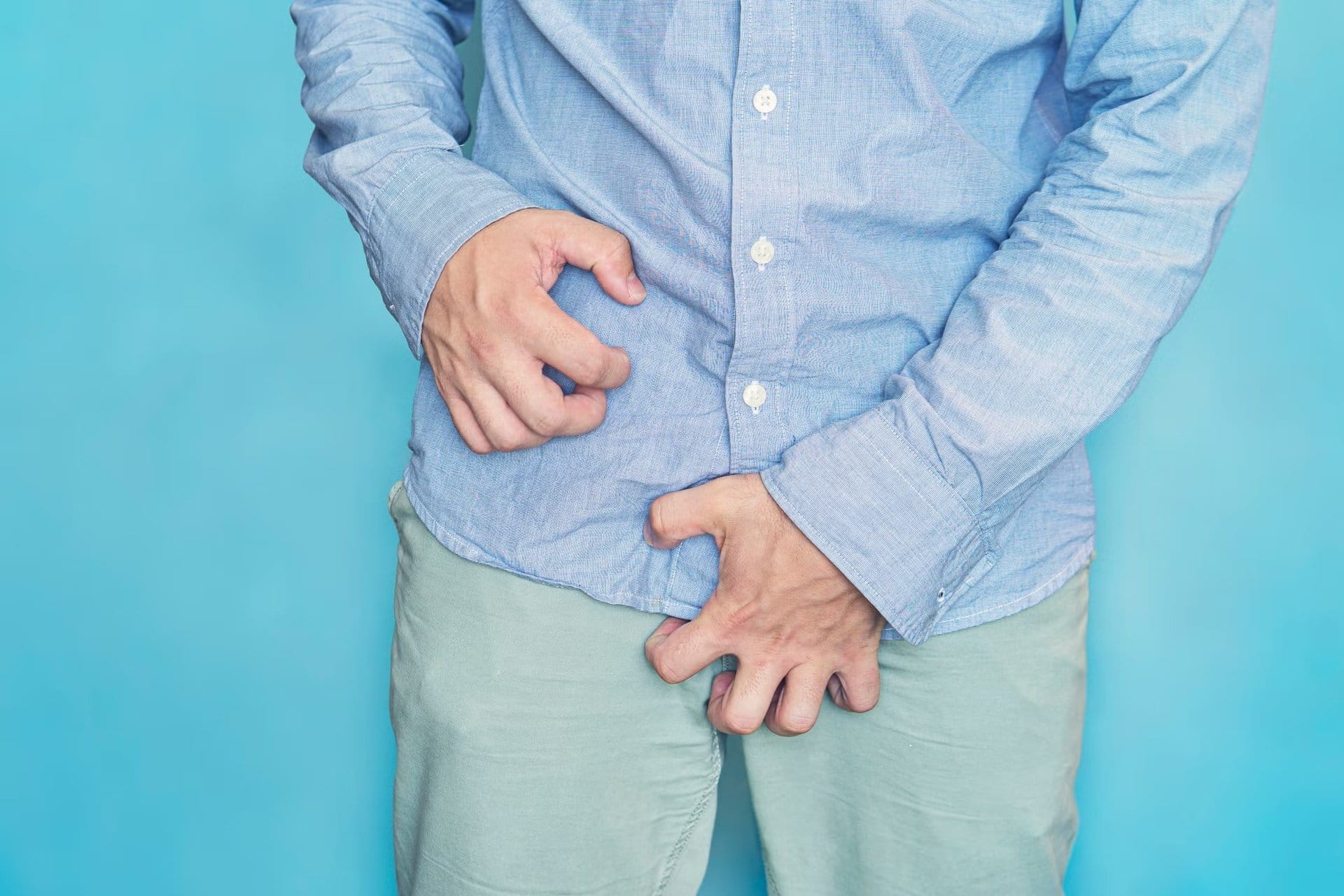
- Flesh-colored or gray small bumps: These can be raised or flat and may be so tiny that you barely notice them.
- Clusters of growths: Sometimes warts appear as several bumps grouped together resembling a small cauliflower.
- Itching or discomfort: You may experience mild itching, burning, or discomfort around the vulva, vaginal opening, or around the anus.
- Changes in skin texture: Some women notice a change in feel rather than appearance, like rough patches.
Areas Commonly Affected
- Vulva: The outer part of the female genitalia is often where warts appear first.
- Vaginal Canal: Warts can develop inside the vagina, making them difficult to see.
- Cervix: Less common but possible, and only detected through a pelvic exam.
- Around the Anus: Even women who haven’t had anal sex can develop warts in this area.
- Groin and Upper Thighs: Rare, but possible due to skin-to-skin contact.
Symptoms That May Mimic Other Conditions
Genital warts may sometimes be mistaken for other skin conditions, such as:
- Skin tags
- Molluscum contagiosum (another viral infection)
- Fordyce spots
If you’re unsure, it’s always best to seek a professional evaluation rather than self-diagnosing. Remember, genital warts are caused by HPV, and avoiding skin-to-skin contact with infected areas can reduce your risk.
When to Seek Medical Help?
If you notice any new bumps, itching, discomfort, or skin changes in your genital area, especially after a change in sexual partners or unprotected sex, it’s important to consult a healthcare professional early.

Seek urgent care if you experience:
- Bleeding from warts
- Severe pain
- Rapidly growing or spreading warts
- Warts causing blockage of the urinary or vaginal opening
Prompt medical advice ensures you get appropriate treatment and reduces the risk of transmission to sexual partners.
How are Genital Warts Diagnosed?
At Mediway Medical, the diagnosis process is straightforward, respectful, and private. During your visit, I may:
- Ask about your medical and sexual history
- Perform a physical exam: Most warts, including those that cause genital warts, can be identified visually.
- Do a pelvic exam: Especially if you have symptoms inside the vagina or on the genitals, such as the cervix.
- Take a Pap test: This helps detect changes in cervical cells that could signal early stages of disease.
- Order HPV tests: Not always necessary for visible warts, but may be used in special circumstances.
No special preparation is needed before the visit, and you’ll have a chance to ask any questions.
Topical Treatments For Genital Warts
I’m often asked, “Can genital warts be cured?” Here’s what you need to know:
- Topical Medications: The first line of treatment often includes creams such as imiquimod or podophyllotoxin, applied directly to the affected area.
- In-Clinic Procedures: For larger or stubborn warts, procedures may include cryotherapy (freezing), laser therapy, or minor surgical removal.
- Severity Matters: More widespread or persistent warts might need a combination of treatments.
It’s important to remember: Treatment will remove the warts, but it may not clear the HPV virus completely from your system. Your immune system may eventually suppress the virus over time.
Setting Realistic Expectations
Even after successful treatment, warts can return, especially within the first few months. Regular follow-up and self-monitoring are key.
Lifestyle and Coping Tips
Dealing with genital warts can take an emotional toll, but you don’t have to face it alone. Here’s how to support your body and mind as you recover:
Maintaining Hygiene and Boosting Immunity
- Keep the affected area clean and dry.
- Wear breathable, cotton underwear.
- Get enough sleep and manage stress.
- Eat a nutritious diet filled with fruits and vegetables to support your immune response.
Emotional and Mental Health Considerations
Worry and embarrassment are common but remember that genital warts are one of the most common sexually transmitted infections. Professional counselors or support groups can provide additional help if you’re struggling emotionally.
Preventing Transmission to Sexual Partners
- Avoid sexual contact while warts are present or being treated.
- Use condoms, but note they don’t eliminate HPV risk completely, as they may not cover all affected areas.
- Communicate openly with your sexual partners about your diagnosis.
Prevention of Genital Warts
Prevention is always better than cure. Here’s what I recommend:
HPV Vaccination
The HPV vaccine is one of the most effective ways to prevent the strains of HPV that cause both warts and certain cancers (including cervical cancer). It’s widely available and recommended for girls and young women in Singapore.
Safe Sex Practices
- Use condoms or dental dams with all new sexual partners.
- Limit the number of sexual partners.
- Attend regular health screenings, including Pap tests, for early detection.
Regular Health Screenings
Routine checks are the best way to catch potential health issues early. At Mediway Medical, we offer confidential sexual health screenings tailored to your needs and lifestyle.
Taking Charge of Your Health
Genital warts are manageable, especially when detected early. I’m here to remind you that these infections are very common and nothing to be ashamed of. Genital warts can cause discomfort, but taking prompt action improves your health outcomes and helps protect your sexual partners as well. Warts are spread through skin-to-skin contact, and genital warts may cause emotional or physical distress if left untreated. Warts can appear in various areas, so it’s important to stay vigilant.
If you’re concerned about any symptoms or want to book a confidential screening, I encourage you to reach out to book your HPV Vaccination. You can also ask questions or share experiences in the comments below, I value our health community and your participation.
Stay empowered and proactive. Your health matters, always.
Related Reading
Explore our sexual health clinic.