Learning you’re AIDS positive can feel overwhelming, but with proper care and support, you can still live a meaningful life. This guide is here to answer your questions, clarify what the diagnosis means, and provide advice to help you take charge of your health.
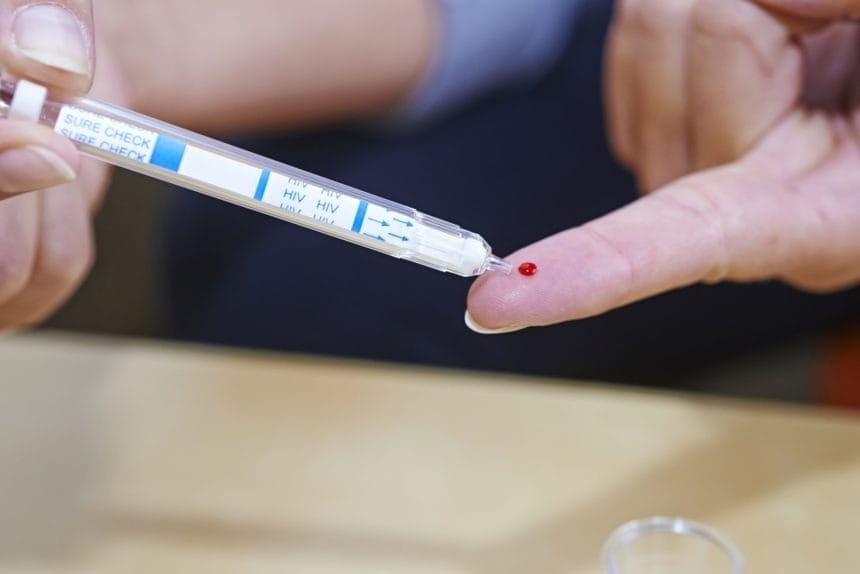
For a primer on the testing process, read how anonymous STD testing works.
Whether you’re managing your diagnosis, caring for a loved one, or looking to deepen your understanding of HIV and AIDS in Singapore, you’ll find clear and compassionate guidance here.
Together, we’ll explore how HIV progresses, what “AIDS positive” means, and the steps to prevention, effective treatment, and living well every day.
What Does AIDS Positive Mean?
When someone hears “AIDS positive,” it often causes fear and confusion. To clarify, AIDS (Acquired Immunodeficiency Syndrome) represents the most advanced stage of HIV (Human Immunodeficiency Virus) infection.
Being “AIDS positive” means the person with HIV has progressed without treatment or with insufficient treatment to a point where the immune system is severely weakened.
What does this mean for your health?
- The body is more vulnerable to infections and certain cancers.
- A person is diagnosed with AIDS when their CD4 cell (a key immune cell) count drops below 200 cells/mm³ or they develop specific “opportunistic infections” or cancers.
- Key Point: AIDS is a stage of the HIV disease, not a separate infection. This distinction is vital in understanding your HIV status, test results, and the importance of proactive health management.
How Does AIDS Relate to HIV?
Think of HIV as the virus that, over time and without effective treatment, can severely weaken the immune system. AIDS is the condition that occurs when this immune system damage reaches a critical level.
Many people living with HIV, however, can achieve an undetectable viral load with effective modern treatments, which helps reduce the risk of developing AIDS or transmitting the virus.
Many people confuse the two terms, but not all individuals diagnosed with HIV will develop AIDS, especially with modern treatments.
Health Implications of AIDS
AIDS significantly weakens the immune system, leaving the body vulnerable to infections and diseases. Early detection and treatment are critical in managing its long-term health implications.

Physical Health Challenges with AIDS
AIDS can leave the body unable to fight off common infections or illnesses that a healthy immune system would manage with ease. These include pneumonia, tuberculosis, certain types of cancers, and fungal infections. Even routine illnesses can become severe.
Common Opportunistic Infections and Complications
You may hear about “opportunistic infections.” These are infections that generally occur only when the immune system is compromised:
- Tuberculosis (TB)
- Pneumocystis pneumonia (PCP)
- Candidiasis (thrush)
- Cytomegalovirus (CMV)
- Certain cancers, like Kaposi’s sarcoma
Early recognition and management of these infections are crucial for quality of life.
The Role of Immune System Damage
HIV attacks CD4 cells, which coordinate your immune response. With fewer CD4 cells, the body struggles to respond to threats. That’s why regular check-ups and blood tests to monitor CD4 levels and HIV in the blood are critical for anyone living with HIV or AIDS.
What Is the Difference Between HIV and AIDS?
HIV is a virus that weakens the immune system, while AIDS is the advanced stage of HIV infection marked by severe immune damage and opportunistic infections. Understanding the risk of HIV transmission and the importance of early intervention can help prevent progression.
HIV (Human Immunodeficiency Virus):
HIV is a virus that attacks and weakens the immune system by targeting CD4 cells. It is transmitted through bodily fluids such as blood, semen, vaginal and rectal fluids, and breast milk. The risk of HIV increases with certain behaviors, but preventive measures can reduce the chances to transmit HIV. Left untreated, HIV progresses gradually, and the individual may not experience significant symptoms for years. HIV medicine, known as antiretroviral therapy (ART), can effectively suppress the virus, allowing individuals to lead healthy lives while preventing the progression to AIDS. It’s important to get tested regularly to ensure early detection and treatment for those infected with HIV.
AIDS (Acquired Immunodeficiency Syndrome):
AIDS is the advanced stage of HIV infection, characterized by severe immune system damage. It is defined by a CD4 cell count below 200 cells/mm³ or the occurrence of specific opportunistic infections or cancers. Without treatment, AIDS can significantly increase the risk of life-threatening illnesses. With proper medical care, including HIV medicine (ART) and supportive treatments, individuals can manage their condition and improve their quality of life. Early diagnosis through get tested campaigns is key to reducing the risk of HIV advancing to AIDS.
What are the Signs And Symptoms of HIV and AIDS?
HIV symptoms vary and may include fever, fatigue, and swollen lymph nodes. AIDS symptoms are more severe, with opportunistic infections and chronic conditions indicating advanced progression.
Early-stage (Acute HIV infection)

- Fever
- Chills
- Rash
- Night sweats
- Muscle aches
- Sore throat
- Fatigue
- Swollen lymph nodes
Chronic HIV infection
- Swelling of the lymph nodes
- Persistent fatigue
- Weight loss
- Recurrent infections
Symptoms of AIDS

- Rapid weight loss
- Recurring fever or profuse night sweats
- Extreme fatigue
- Prolonged swelling of the lymph glands
- Chronic diarrhea
- Persistent or severe infections
- Neurological issues such as memory loss or confusion
Common Myths and Misconceptions About AIDS Viral Load
HIV is often surrounded by myths and misconceptions, leading to stigma and misinformation. Understanding the facts is crucial for education, HIV prevention, and supporting those affected.
Breaking Myths About AIDS Transmission
Misunderstandings can make living with HIV or AIDS even harder. Here’s what you need to know:
- HIV is a sexually transmitted infection, but it is not spread through casual contact like hugging, shaking hands, or sharing food.
- You can’t get HIV from mosquito bites, swimming pools, or using the same toilet as someone with HIV.
- Only certain bodily fluids (blood, semen, vaginal fluids, rectal fluids, breast milk) can carry enough HIV to potentially transmit infection if someone is exposed to HIV.
Clearing Misconceptions Around AIDS and Daily Living
People living with AIDS can have close relationships and lead fulfilling lives. Children can play with their friends. Colleagues can work together safely. Understanding how HIV is and is not transmitted is key to fighting stigma in our community. With proper knowledge and treatment, it’s possible to treat HIV effectively and support those living with it.
Managing an AIDS Diagnosis
Receiving an AIDS diagnosis can be overwhelming, but with proper medical care, support systems, and lifestyle adjustments, individuals can effectively manage their health and well-being. HIV is a manageable condition, and taking proactive steps can greatly improve outcomes.

Importance of Immediate Medical Intervention
A diagnosis of AIDS or advanced HIV may feel overwhelming. However, seeking care right away makes a remarkable difference. Modern medicine offers effective treatment to stop the progression of disease and greatly improve the quality of life. For those with potential exposure to HIV or individuals whose HIV status is unknown, immediate testing and intervention are crucial to reduce the risk of transmission of HIV.
Available Treatments and Medical Advances
- Antiretroviral Therapy (ART): The mainstay of HIV treatment. ART helps control the virus, allowing the immune system to recover. People on ART who know they have HIV can live long, healthy lives.
- Prophylaxis and Ongoing Care: Doctors may also prescribe medication to prevent opportunistic infections and lower the risk of transmission of HIV to others.
- Comprehensive Monitoring: Regular blood tests track your CD4 count and viral load, so we can adjust care as needed. For pregnant women with HIV, specialized care is essential to ensure both maternal and fetal health.
AIDS is not a death sentence. With early detection, proper medical care, and adherence to treatment, many in Singapore and globally live full, active lives.
Strategies to Enhance Quality of Life with AIDS
- Maintain a healthy, balanced diet.
- Exercise regularly within your doctor’s guidance.
- Prevent other sexually transmitted infections by practicing safe sex and discussing preventive steps with your doctor.
- Avoid alcohol, tobacco, and drugs that could harm your immune system or interact with your medications.
- Build a daily routine that supports medication adherence and mental well-being.
If you need help with diet, medication, or just moral support, don’t hesitate to reach out to your healthcare team or community groups. Early action and consistent care can help those whose HIV status is unknown or those at risk of transmission to take control of their health and well-being.
Support Systems and Resources Of People With HIV And Aids
Accessing reliable support systems and resources is crucial for maintaining your health. They provide guidance, encouragement, and practical solutions for navigating challenges effectively.
Building an Emotional and Practical Support Network
A strong support system makes all the difference. Talk to trusted friends and family. Joining support groups can connect you with others who understand your experience, especially for people with AIDS, and share valuable advice.
Community Resources for AIDS Support in Singapore
Singapore offers a range of community resources:
- Action for AIDS Singapore (AFA): Counseling, support, and free/low-cost testing for those who progress to AIDS.
- Health Promotion Board (HPB): Information and referrals for care and treatment as soon as possible.
- Mediway Medical Clinic: We provide screening, treatment, and support for all patients.
Accessing Counseling and Healthcare Services
It’s natural to feel sad, stressed, or anxious after a diagnosis. Consider professional counseling, which can offer coping strategies and emotional resilience. At Mediway, we prioritize patient well-being in a confidential, judgment-free setting. Seeking treatment as soon as possible can make a significant difference in managing health effectively.
Prevention and Advocacy Living With HIV and AIDS
Raising awareness about health issues is vital for fostering prevention and advocacy. Empowering individuals with knowledge helps create stronger, healthier communities through education and proactive action.
Practices to Prevent Progression to AIDS
- Start ART as early as possible-even before symptoms appear.
- Adhere strictly to your HIV medication schedule.
- Attend routine medical check-ups and screenings.
- Promptly treat any infections or complications.
- Maintain open communication with your healthcare team.
The Importance of Regular Check-ups and Vigilance
Routine testing, even when you feel well, is vital. Early detection means early intervention. Healthcare professionals in Singapore are trained to provide compassionate and confidential care for everyone, regardless of HIV status.
Fighting Stigma Through Awareness and Education
Stigma around HIV and AIDS can delay people from seeking testing or care. Education and open conversations are our best tools to fight misinformation and discrimination. If you’re open to it, sharing your story can inspire others to be proactive about their health.
Empower Yourself and Your Loved Ones
If you, or someone you know, is at risk or has received a positive HIV test result, remember that knowledge and support are powerful. By seeking regular health checks, learning about prevention, and staying informed, you’re taking vital steps toward a healthier future.
At Mediway Medical Clinic, our team is here to support you at every stage of the HIV infection spectrum-from prevention to treatment and ongoing care. If you have questions about your HIV status, concerns about sexually transmitted infections, or want to access counseling and support, please reach out. Your health truly matters to us, and you’re never alone on this path.
Stay healthy, stay informed, and know that hope and help are always within reach.
Related Reading
- VDRL Syphilis Screening Test
- Early Signs of Genital Warts in Women
- HIV Prevention: How to Protect Yourself
Explore our sexual health clinic.