
Health Screening for Senior Citizens in Singapore: Recommended Tests and Packages
 Medically reviewed by Dr. Qiao Yufei, MD · MBBS · Last reviewed 23 June 2026
5 min read
Medically reviewed by Dr. Qiao Yufei, MD · MBBS · Last reviewed 23 June 2026
5 min read
Aging is a privilege, but it comes with unique health challenges. Regular health screenings are key for detecting and managing age-related conditions early. In Singapore, with its excellent and accessible healthcare system, staying on top of your health is easier than ever.
For a broader checklist of what to test, see our health screening checklist.
Whether you’re a senior focused on well-being or a family member seeking quality care, this guide covers the essential tests, the benefits of early detection, and how Mediway Medical offers tailored screening packages to support healthy aging.
Why Health Screenings Are Critical for Seniors Citizens In Singapore?
Aging gracefully isn’t just about staying mentally sharp; it’s also about monitoring your body’s changes with regular check-ups.

Health screenings can identify potential problems even before symptoms appear, ensuring timely intervention and better outcomes. For senior citizens in Singapore, specific screening tests under initiatives like the Screen for Life Programme can often mean the difference between managing a manageable condition and facing complications.
At Mediway Medical, our commitment is to empower Singapore citizens with the care they need. We design packages that focus on diseases common among older adults, coupled with expert guidance to ensure peace of mind.
Key Health Screening Programme for Seniors
Our Senior Health Screening Program offers tailored assessments to support aging needs, focusing on early detection and prevention for healthier, more fulfilling lives.
By addressing the importance of health, our screening can also identify and manage potential health issues effectively.

1. General Health Assessments
These screenings provide a baseline of your overall health, including checks for:
- Blood Pressure – High levels increase the risk of stroke and heart disease.
- Cholesterol and Glucose – Key for monitoring heart disease and diabetes risks.
- Body Mass Index (BMI) – Tracks obesity-related health concerns.
Simple tests that offer valuable insights into potential health issues.
2. Chronic Disease Screenings
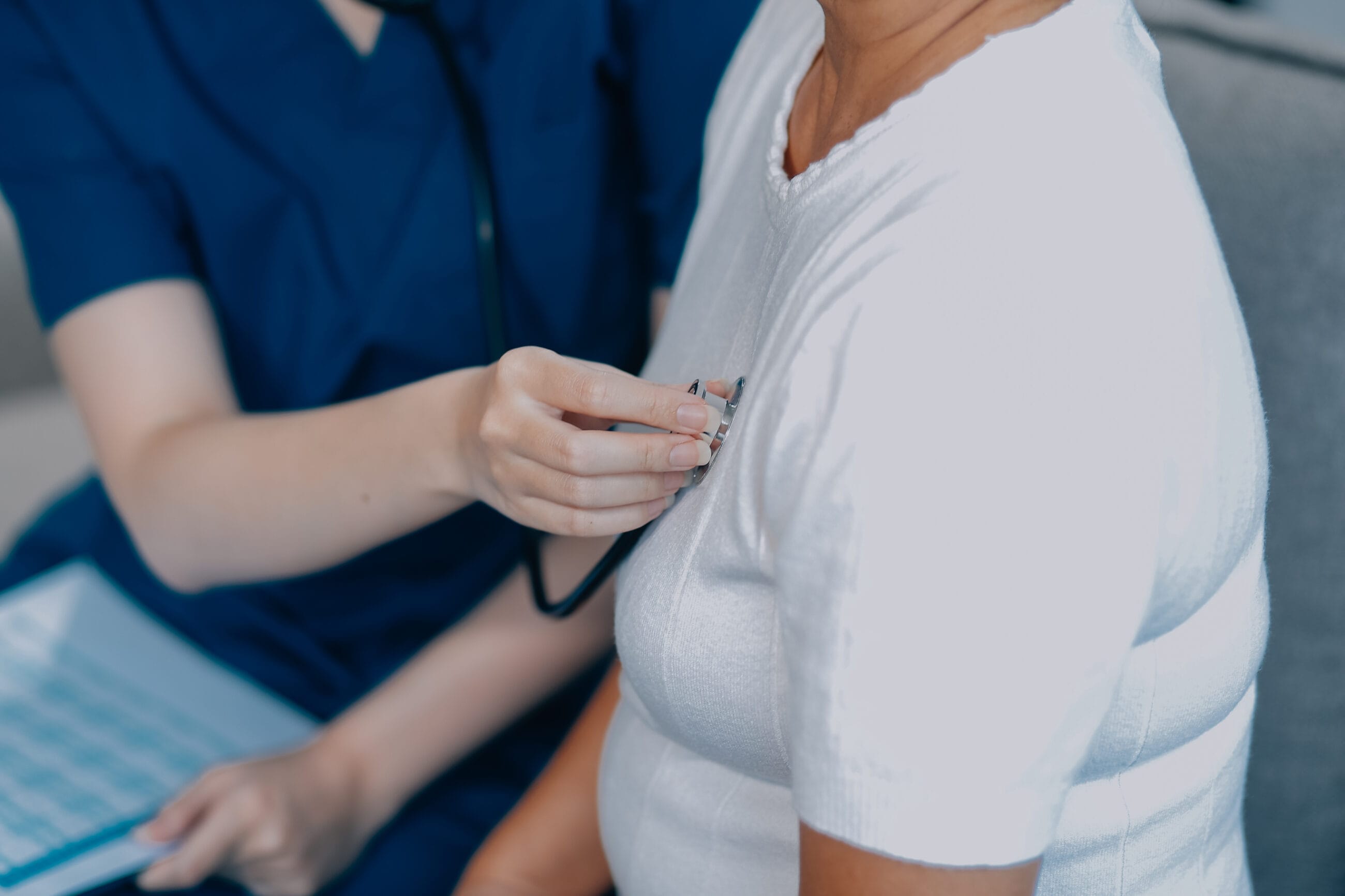
Chronic conditions become more common with age, and early detection can improve quality of life. Key screenings include:
- Diabetes – High blood sugar can damage organs, but early detection helps manage it.
- Hypertension – Known as “the silent killer,” early treatment prevents serious damage.
- Heart Disease – Screening lowers the risk of heart attacks.
These essential health screening services address the unique needs of senior individuals.
3. Cancer Screenings
Early cancer detection greatly increases treatment success. Our targeted assessments include:
- Colorectal Cancer
- Prostate Cancer (for men)
- Cervical and Breast Cancer (for women)
Cancer screening can also detect early warning signs before symptoms arise.
4. Bone and Joint Health

Aging bones are at risk for conditions like osteoporosis and arthritis. Screenings include:
- Bone Density Tests to assess fracture risks.
- Joint Health Checks for early arthritis signs to improve mobility.
These health screening services are critical for maintaining mobility and addressing the needs of senior patients.
5. Vision and Hearing Tests
Eyesight and hearing often decline with age but are manageable when identified early. Regular checks include:
- Glaucoma
- Cataracts
- Hearing Loss
These tests underscore the importance of health by addressing issues before they impact daily life.
Health Screening Packages for Seniors at Mediway
As a private clinic, Mediway offers comprehensive adult health screening packages that are well-suited for seniors. While our packages are not age-tiered, our team can guide you on which option fits your health profile, and which additional tests are most relevant after 60:
- Basic Package – $30
- Essential Package – $80
- Deluxe Package – $160
- Premium Package – $300
- Prestige Package – $550
(Prices listed are accurate as of June 6, 2025, and are subject to change without prior notice.)
Many seniors choose Mediway as a private alternative to the government-subsidised Screen for Life scheme – for flexibility in scheduling, broader test choice, or faster reporting.
The Benefits of Early Health Check
Investing in regular health checkups is one of the smartest decisions seniors and their families can make. Why?

- Better Outcomes – Screenings often catch conditions like diabetes and high blood pressure in their earliest stages, allowing timely treatment.
- Cost Savings – Addressing health issues early reduces expensive long-term medical interventions.
- Improved Quality of Life – Staying proactive about health means enjoying your golden years without being burdened by preventable illnesses.
For example, through routine ECG testing, one of our patients was able to detect a heart rhythm issue before any serious complications developed. They are now thriving with minimal intervention. Partnering with the Health Promotion Board for such initiatives ensures a healthier and happier community.
How Mediway Medical Supports Senior Citizen Health?
- Personalized Consultations – Every individual is different, so we tailor screenings based on your unique history.
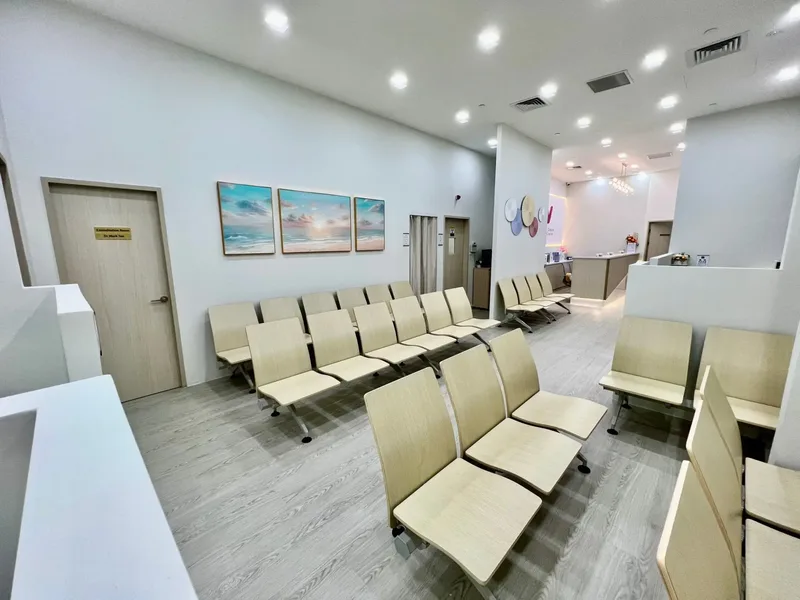
- Comfortable Environment – We ensure short wait times and compassionate service so patients can relax.
- Accessibility – Our clinics are located centrally in Singapore, and we offer flexible appointment scheduling.
We leave no stone unturned in making your health journey seamless and stress-free.
Encourage Proactive Regular Health Management
Taking charge of your health through regular screenings helps detect potential issues early, enabling timely intervention and ensuring a healthier, more fulfilling life in your golden years.
Tips to prepare for your screenings:
- Wear comfortable clothing and bring records of previous screenings if possible.
- Ensure a good night’s sleep before your appointment to ensure accurate readings.
Ways family members can support loved ones:
- Accompany them to appointments if they feel nervous.
- Help them maintain a health journal to track doctor recommendations and test results.
- Encourage follow-ups and assist with booking appointments.
Lastly, ensure the senior in your life has access to resources like dietary recommendations or exercise routines provided by clinics like ours.
Take Charge of Your Health Today
Maintaining good health as a senior requires consistent care and effort, and it all starts with one vital step screening for potential issues early. At Mediway Medical, we’re here to make that first step simple, affordable, and effective with our health screening program.
If you or a loved one is ready to prioritize health, book a health screening appointment today. Together, we’ll help you enjoy a healthier, more active life.
Related Reading
- Comprehensive Men’s Health Screening
- Adult Health Screening Singapore
- Comprehensive Family Health Screening
Explore our health screening packages.
Frequently Asked Questions
01 Do I need to fast before screenings?
No fasting is required for our packages, making the process simpler for our patients.
02 How long does the screening take?
Most screenings are completed in 30 to 40 minutes.
03 Can walk-ins be accommodated?
Yes, walk-ins are welcome and we also do online appointment to minimize waiting time.
04 Is Breast Cancer Screening applicable to senior citizens?
Yes, breast cancer screening is highly recommended for senior citizens as early detection significantly improves outcomes and ensures timely access to appropriate care.
05 How soon will I get my results?
The turnaround time depends on how comprehensive the tests are.
Standard Report: Ready by 4 PM the next working day (weekdays only). For example, a Friday visit means the report will be ready Monday.
Same-Day Report: Arrive before 9 AM on a weekday, and your report will be ready by 4 PM the same day. A $30 fee applies.
Please check with our staff after your screening is completed.


Why Choose Us
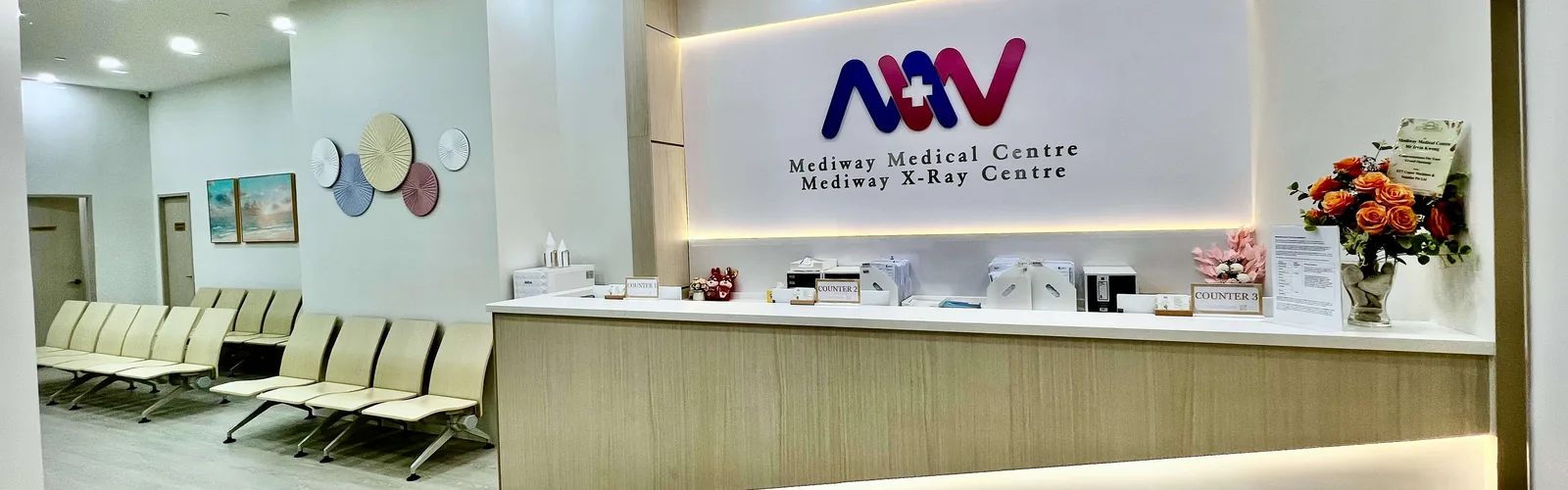
Choose Mediway Medical for reliable and efficient medical examinations, with on-site facilities, streamlined processes, and clear reporting timelines.
One-Stop Medical Centre
We provide comprehensive services in a single visit, including on-site chest X-ray and required medical tests.
Patient-Centred Experience
Our dedicated healthcare team focuses on providing clear guidance, professional care, and a comfortable clinic experience.
Minimum Waiting Time
We prioritise efficient workflows to keep waiting times short while maintaining accuracy and care quality.
Fast Turnaround Time
Medical reports are ready by the next working day, with same-day reporting available for selected cases.
Book Your Visit
Walk-ins welcome up to 30 minutes before closing.
Directions
Located in central Singapore, just a 2-minute walk from Clarke Quay MRT.
Mon–Fri before 5/6pm: $2.00 for 1st hr, $1.00 for next subsequent 30min from 7am to 5pm
Mon–Fri after 5/6pm: $3.21/entry from 5pm to 7am the following day
Sat: $2.00 for 1st hr, $1.00 for next subsequent 30min from 7am to 5pm, $3.21/entry from 5pm to 7am the following day
Sun/PH: $3.21/entry from 7am to 7am the following day
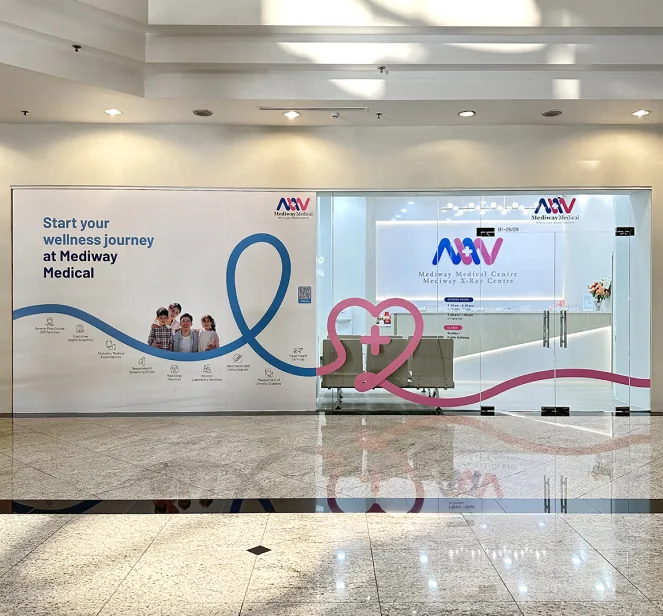
Exit E. 2-minute walk along the river towards The Riverwalk building. We are at #B1-26/29.