
Do you ever feel bloated after meals, constantly tired, or deal with persistent skin issues like eczema? These vague but disruptive symptoms can often leave you feeling confused and frustrated. While you might brush them off as normal, they could be your body’s way of signaling a food intolerance. Understanding these signs is the first step toward reclaiming your health.
For background on how allergy testing works, see allergy test patient guide.
This guide will help you identify the key symptoms that suggest a need for a food intolerance test and explain how getting tested in Singapore can provide the clarity you need to improve your overall well-being.
Understanding Food Intolerance: What Are the Telltale Signs?
The most common signs of food intolerance often affect the digestive system. Bloating is among the top complaints I hear from patients. If you frequently feel overly full or swollen after meals, even with small portions, it could mean your body struggles to process certain foods.

Gas and flatulence are also common signs. While occasional gas is normal, persistent or excessive gas after eating specific foods shouldn’t be ignored. Diarrhea is another warning sign, especially if it occurs regularly without a clear cause like illness or medication.
Stomach cramps, nausea, or general abdominal discomfort after meals are strong indicators of food intolerance. Many patients describe feeling “off” after eating but can’t pinpoint the cause.
Non-Digestive Symptoms
Food intolerance symptoms can go beyond digestion. Chronic headaches or migraines are often linked to food sensitivities-I’ve seen patients whose headaches vanished after identifying and removing trigger foods. Persistent fatigue, even with adequate sleep, is another common symptom, as food intolerance can sap your energy while your body struggles to process certain foods. Skin problems like eczema, acne, or rashes can also be tied to diet, as can unexplained joint pain and muscle aches.
The Challenge of Self-Diagnosis
Food intolerance symptoms can appear anywhere from 30 minutes to 72 hours after eating, making it difficult to identify trigger foods. You could eat bread on Monday and not feel symptoms until Wednesday, complicating the connection.
Additionally, intolerance to multiple foods can create a confusing web of symptoms. Many patients come to me after trying other treatments without success, unaware that food may be the root cause.
Types of Food Intolerance Tests Available in Singapore
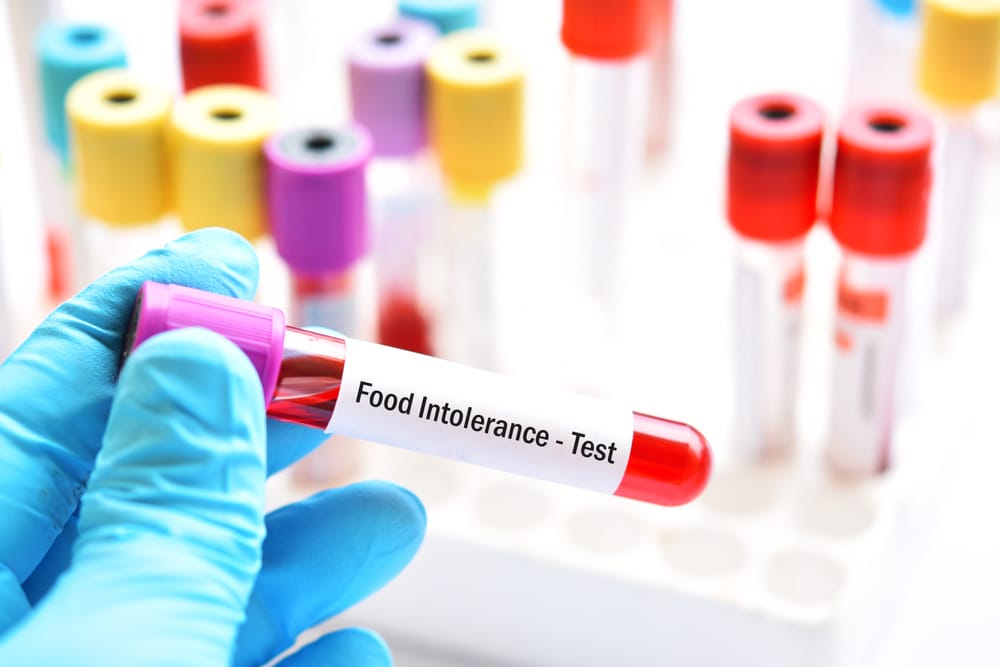
IgG antibody testing measures your immune system’s response to various foods by detecting IgG antibodies in your blood. When your body has difficulty processing certain foods, it often produces these antibodies as a defensive response.
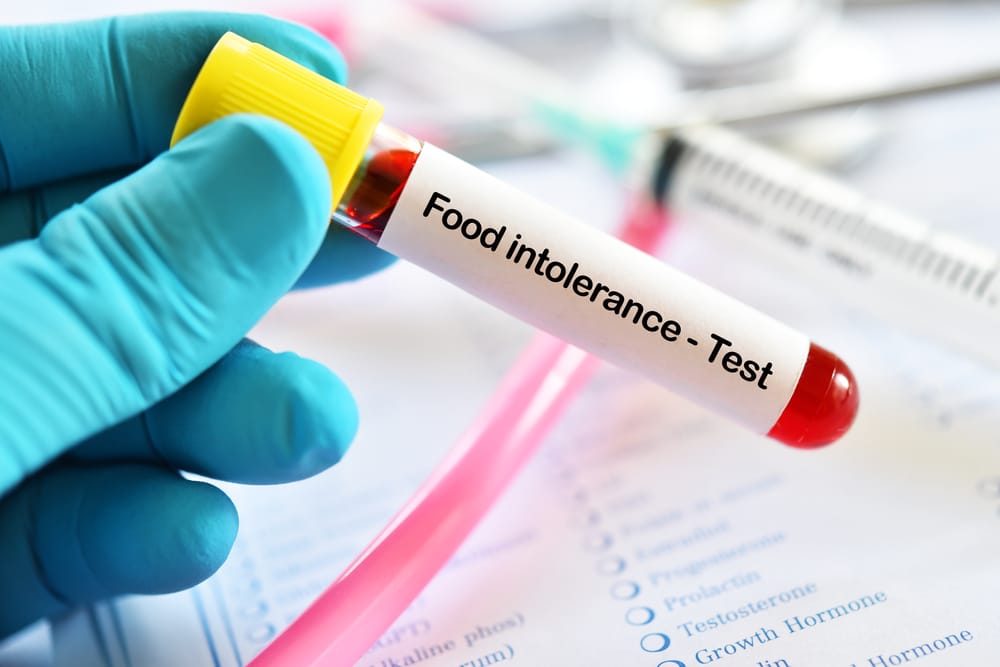
The test is comprehensive, typically screening for reactions to over 90 different foods including common triggers like dairy, gluten, eggs, nuts, and various fruits and vegetables. The process is straightforward-we simply draw a small blood sample, and you’ll have your results depends on how comprehensive the test is.
What I particularly appreciate about this testing method is its objectivity. Rather than relying on guesswork or elimination diets that can take months to complete, we can quickly identify which foods are causing issues for your specific body chemistry.
For allergies, Mediway offers two IgE blood panels covering food and environmental allergens.
Elimination Diets: The Traditional Approach
While elimination diets remain a valid testing method, they require significant time, dedication, and careful monitoring. This approach involves removing suspected foods from your diet for several weeks, then gradually reintroducing them while tracking symptoms.
The challenge with elimination diets is that they can be difficult to follow correctly without professional guidance. Many people inadvertently consume hidden ingredients or don’t eliminate foods for long enough to see clear results. Additionally, the process can take several months to complete properly.
Why Professional Testing Process Provides Better Results
Professional food intolerance testing offers several advantages over DIY approaches. The results are more reliable and comprehensive, covering a broader range of potential trigger foods than most people would think to test on their own. You’ll also receive professional interpretation of your results, helping you understand not just what foods to avoid, but how to maintain a balanced, nutritious diet despite your restrictions.
The Benefits of Getting a Food Intolerance Test
One of the most significant benefits I see in my patients after food intolerance testing is the relief of finally having answers. Many people spend years feeling unwell without understanding why. Having concrete results eliminates the guesswork and provides a clear path forward.
The test results empower you to make informed decisions about your diet. Instead of randomly eliminating foods or constantly wondering if something you ate is making you feel bad, you’ll know exactly which foods to avoid and which ones are safe to enjoy.

Personalized Nutrition Planning
Everyone’s body is different, and food intolerance testing helps create a truly personalized approach to nutrition. The results allow you to tailor your diet specifically to your body’s needs, potentially improving not just your symptoms but your overall health and energy levels.
Many patients tell me they wish they had gotten tested sooner. Once they eliminate their trigger foods, they often experience improvements in symptoms they didn’t even realize were related to food intolerance.
Improving Quality of Life
The impact of identifying and addressing food intolerance extends far beyond just feeling better physically. When chronic symptoms improve, patients often experience better sleep, increased energy, improved mood, and enhanced productivity at work and in their personal lives.
For many, it’s life-changing. Simple daily activities become more enjoyable when you’re not constantly dealing with digestive discomfort, headaches, or fatigue.
How to Get Tested for Food Intolerance in Singapore?
Getting tested for food intolerance at our clinic is simple and convenient. Here’s what to expect:

Step 1: Consultation – We’ll discuss your symptoms, health history, and dietary habits to determine if testing is right for you. I’ll explain the process and answer any questions, including whether your symptoms may be related to an allergic reaction, IgE sensitivity, or intolerance.
Step 2: Testing Procedure – The test involves a quick blood draw, similar to a routine blood test. It’s minimally uncomfortable, requires no fasting, and takes just a few minutes. We’ll check for factors like IgE (Immunoglobulin E) levels to identify potential food allergies.
Step 3: Results and Guidance – Once your results are ready, we’ll review them together. I’ll explain which foods to avoid, whether your issues stem from food intolerance or an IgE-mediated allergic reaction, and provide tips to maintain a balanced diet while managing your intolerance.
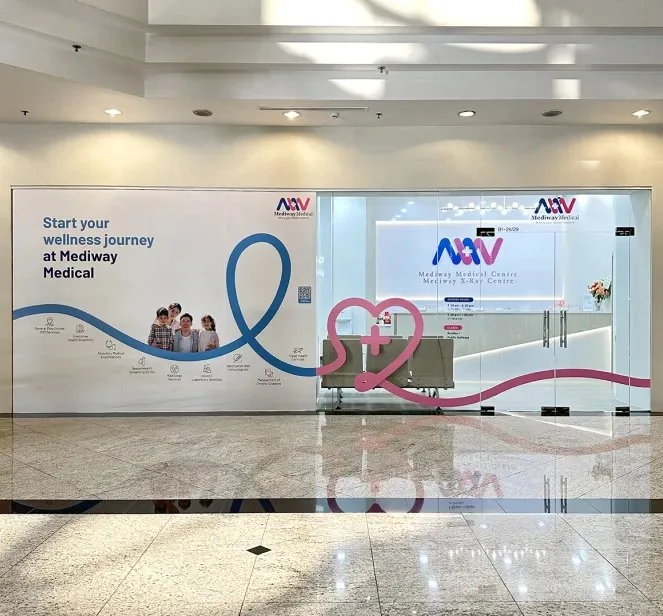
We keep wait times short and prioritize excellent service. At Mediway Medical, “Your Health Matters,” and we ensure the highest standards of care throughout your visit.
Difference Of Food Intolerance To Food Allergy
Food intolerance and food allergy are often confused, but they are fundamentally different conditions. Food intolerance typically involves difficulty digesting certain foods and may lead to symptoms such as bloating, abdominal pain, or fatigue.
Unlike a food allergy, it does not involve the immune system. Conversely, food allergies result from an overactive immune response to a specific food allergen, which can cause severe reactions like hives, swelling, or even anaphylaxis in extreme cases.
Diagnosis often includes methods such as an allergy skin prick test to identify the food allergen causing the reaction. Understanding this distinction is essential for proper diagnosis and management, ensuring you take the right steps to protect your health.
Take Control of Your Health Today
If you’re dealing with persistent digestive issues, headaches, chronic fatigue, or other symptoms linked to food intolerance, don’t suffer in silence. These signs are your body’s way of telling you something’s wrong, and you deserve answers.
Food intolerance testing, as well as an allergy test in singapore, can help provide clarity, guiding you to make informed dietary choices and improve your quality of life. The process is simple, the results reliable, and the benefits to your health can be life-changing.
Taking care of your health is a journey, and I’m here to support you with expert guidance to help you feel your best.
Ready to find out if food intolerance is behind your symptoms? Book a consultation at Mediway Medical to discuss your concerns and explore our testing options. Let’s take the first step toward better health together.
Related Reading
- Food Allergy vs Intolerance
- Interpreting IgE Blood Test Results
- Managing Allergies Singapore: Treatment Tips
Explore our allergy testing.