
Ever wondered about the vitamins your body needs daily? While most Singaporeans know about vitamin C and D, vitamin K often gets overlooked. Though rare in well-nourished Singapore, a deficiency can have serious consequences.
For the full context on lab work in screening, read guide to blood tests in screening.
You might think, “If it’s so rare, why worry?” That’s a common question we hear at Mediway Medical. Its rarity often means it’s missed during health checks, leaving some vulnerable to bleeding issues and bone problems.
In this article, we’ll cover why vitamin K deficiency screening matters, who’s at risk, the warning signs, and how early detection can protect your health. Plus, learn when and where to get tested.
Staying healthy means staying informed. Understanding vitamin K screening is one easy step to protect your health.
Understanding Vitamin K Deficiency
Vitamin K is essential for blood clotting and bone health. Without enough vitamin K, your body can’t produce functional clotting factors, leading to prolonged bleeding and potential hemorrhages. It also supports bone health by activating proteins that regulate calcium in bones.

There are two main forms: vitamin K1 (phylloquinone), found in leafy greens, and vitamin K2 (menaquinone), made by gut bacteria and found in fermented foods and animal products.
Primary vs. Secondary Vitamin K Deficiency
Primary deficiency, caused by inadequate dietary intake, is rare in developed countries like Singapore. Secondary deficiency, which I see more often, results from conditions that affect vitamin K absorption, metabolism, or use.
Common causes include malabsorption disorders like celiac or Crohn’s disease, prolonged antibiotic use disrupting gut bacteria, liver disease, and certain medications that interfere with vitamin K.
How Vitamin K Deficiency Develops
Vitamin K deficiency usually develops gradually. The liver stores small amounts of vitamin K, which last only a few days to weeks. When intake drops or absorption is impaired, these stores deplete quickly compared to other fat-soluble vitamins.
Deficiency progresses predictably: first affecting clotting factor production, then prolonging coagulation times, and eventually causing clinical bleeding if untreated.
Why Vitamin K Deficiency is Rare in Singapore?
Singapore’s multicultural food scene works in our favor when it comes to vitamin K intake. Traditional Chinese dishes feature plenty of leafy greens like kai lan and xiao bai cai, while Malay cuisine incorporates kangkung and other vitamin K-rich vegetables. Indian cuisine contributes with spinach-based dishes and various green vegetables.
Even our beloved local dishes support adequate vitamin K intake. Wonton noodle soup often includes green vegetables, char kway teow contains bean sprouts and chives, and many zi char dishes feature generous portions of leafy greens.
Fortified foods and supplements availability
The widespread availability of fortified foods and multivitamin supplements in Singapore provides an additional safety net. Many breakfast cereals, plant-based milk alternatives, and nutritional supplements contain added vitamin K, making deficiency even less likely for the general population.
Local supermarkets stock various vitamin K supplements, and many Singaporeans take multivitamins as part of their wellness routine, further reducing deficiency risk.
Healthcare system’s preventive measures
Singapore’s healthcare system emphasizes preventive care through regular health screenings and public health initiatives. Routine blood work often includes coagulation studies, which can detect vitamin K deficiency indirectly through prolonged clotting times.
Additionally, newborn vitamin K prophylaxis is standard practice in Singapore hospitals, preventing hemorrhagic disease of the newborn and ensuring adequate vitamin K status from birth.
Recognizing the Signs: When to Consider Screening
Vitamin K deficiency manifests primarily through bleeding tendencies. Early signs include easy bruising, particularly on the arms and legs, bleeding gums during tooth brushing, and heavy menstrual periods in women. More severe deficiency can cause nosebleeds, blood in urine or stool, and prolonged bleeding after minor cuts or dental procedures.

In my practice, I’ve noticed that patients often dismiss these early signs as normal variations or attribute them to other causes, which is why maintaining awareness of these symptoms is important.
Risk factors that increase deficiency likelihood
Several factors elevate your risk of vitamin K deficiency. Malabsorption disorders significantly impair vitamin K absorption since it’s a fat-soluble vitamin requiring proper fat digestion and absorption. Chronic liver disease affects vitamin K metabolism and storage.
Prolonged antibiotic use, particularly broad-spectrum antibiotics, disrupts the gut microbiome that produces vitamin K2. Additionally, certain medications like warfarin intentionally block vitamin K function, while others may interfere with absorption or metabolism.
Who should prioritize vitamin K screening
I recommend vitamin K screening for patients with unexplained bleeding tendencies, those with malabsorption disorders, individuals with chronic liver disease, and people on long-term antibiotic therapy. Additionally, patients taking multiple medications that might interfere with vitamin K function should consider screening.
Pregnant women, particularly those with risk factors, may benefit from assessment to ensure adequate vitamin K status for both maternal and fetal health.
The Screening Process Explained
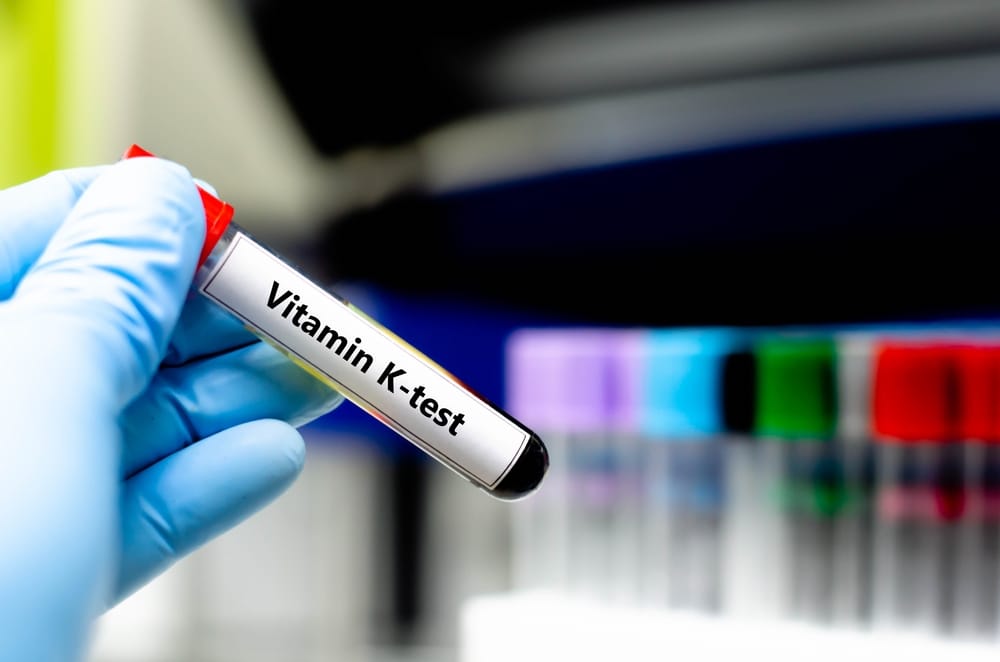
Vitamin K screening primarily involves blood tests that assess vitamin K function rather than measuring vitamin K levels directly. The prothrombin time (PT) and international normalized ratio (INR) are the most commonly used tests, measuring how long blood takes to clot.
More specific tests include measuring undercarboxylated osteocalcin or protein induced by vitamin K absence (PIVKA-II), which directly reflect vitamin K status. However, these specialized tests are typically reserved for specific clinical situations.
Preparing for your screening appointment
Preparation for vitamin K screening is generally straightforward. You should inform me about all medications you’re taking, particularly blood thinners, antibiotics, or supplements containing vitamin K. Some medications may need temporary adjustment before testing, though this depends on your specific situation.
Fasting isn’t usually required for vitamin K-related tests, but I’ll provide specific instructions based on what other tests we’re conducting during your visit to Mediway Medical.
Understanding your test results
Normal PT values typically range from 11 to 14 seconds, while INR should be close to 1.0 for individuals not on anticoagulation therapy. Prolonged clotting times may indicate vitamin K deficiency, though other factors can also cause similar results.
I’ll review your results in the context of your symptoms, medical history, and risk factors to determine whether vitamin K deficiency is likely and discuss appropriate treatment options if needed.
High-Risk Groups in Singapore
Individuals in Singapore at high risk of vitamin K deficiency include those with malabsorption disorders, chronic illnesses, or undergoing long-term use of specific medications affecting clotting factors.
Risk of bleeding screening for IEM test is often used to identify potential deficiencies, as abnormal results can indicate underlying issues requiring further investigation. Additionally, maintaining adequate vitamin K levels can help increase bone density over time.

Newborns and infants
Newborns are at high risk of vitamin K deficiency due to limited placental transfer, low levels in breast milk, and immature gut bacteria. In Singapore, hospitals routinely provide vitamin K injections to prevent hemorrhagic disease in newborns.
Exclusively breastfed infants may need extra vitamin K, especially if the mother has risk factors for deficiency. Risk of bleeding screening for IEM test is commonly used in newborns to detect potential deficiencies early, preventing complications from abnormal results.
Individuals with malabsorption disorders
Conditions like celiac disease, Crohn’s disease, and ulcerative colitis increase the risk of vitamin K deficiency by impairing fat absorption, essential for vitamin K uptake.
Managing these conditions often requires monitoring and supplementation coordinated by gastroenterologists and primary care doctors. Screening for IEM tests might be done in such individuals to assess nutritional deficiencies, as abnormal results could guide further interventions.
Those on certain medications
Warfarin and other vitamin K antagonists lower vitamin K to prevent blood clots. Medications like some antibiotics, cholesterol-lowering drugs, and anti-seizure medications can also affect vitamin K levels.
Long-term users should have regular checks to manage medication effects and bleeding risk. Risk of bleeding screening for IEM tests may play a role in monitoring these patients, especially if abnormal results suggest the need for adjustments in treatment.
People with liver disease
The liver is crucial for vitamin K metabolism and clotting factor production. Liver conditions like hepatitis or cirrhosis can cause deficiencies even with adequate dietary intake.
These patients often need regular monitoring of their coagulation status as part of their care plan. Screening tests, such as IEM tests, may be used to monitor vitamin K deficiency and coagulation status, with abnormal results prompting timely intervention.
Where to Get Tested in Singapore?
At Mediway Medical, we provide comprehensive vitamin K deficiency screening as part of our health screening services. Our approach emphasizes thorough evaluation, considering your medical history, current medications, and specific risk factors to determine the most appropriate testing strategy.
We prioritize keeping wait times short while maintaining our commitment to service excellence. Our “Where Your Health Matters” philosophy ensures you receive personalized attention throughout the screening process.
Prevention and Treatment
Early detection and prevention are key to maintaining optimal health. Our expert team provides dedicated support to identify risks and implement effective, individualized care strategies.
Dietary sources of vitamin K in Singapore
Maintaining adequate vitamin K intake through diet is usually sufficient for most Singaporeans. Excellent sources include local leafy greens like kai lan, spinach, and water spinach. Herbs commonly used in local cooking, such as cilantro and spring onions, also contribute vitamin K.
Traditional fermented foods like tempeh and certain soy products provide vitamin K2, while cooking oils and nuts add additional vitamin K1 to your diet.
Supplement recommendations
For individuals who cannot maintain adequate vitamin K intake through diet alone, supplements offer an effective solution. I typically recommend vitamin K supplements for patients with malabsorption disorders, those on certain medications, or individuals with confirmed deficiency.
The choice between vitamin K1 and K2 supplements depends on your specific situation and underlying health conditions. Most multivitamins contain adequate amounts for general prevention.
Follow-up care and monitoring
Patients with vitamin K deficiency require follow-up testing to ensure treatment effectiveness and prevent recurrence. The frequency of monitoring depends on the underlying cause and severity of deficiency.
For those with ongoing risk factors, we develop long-term monitoring plans that balance the need for surveillance with practical considerations of cost and convenience.
Taking Control of Your Vitamin K Status
Understanding vitamin K deficiency screening empowers you to make informed decisions about your health management. While deficiency remains rare in Singapore due to our diverse diet and excellent healthcare system, certain individuals face elevated risks that warrant attention and possible screening.
The key lies in recognizing your personal risk factors and understanding when screening might benefit you. Whether you have a malabsorption disorder, take medications that affect vitamin K function, or experience unexplained bleeding symptoms, early detection and appropriate management can prevent more serious complications.
Remember that proactive health management involves staying informed about your body’s needs and working with healthcare professionals to address any concerns. If you have questions about vitamin K deficiency or wonder whether screening might be appropriate for your situation, I encourage you to schedule a consultation at Mediway Medical. Together, we can assess your individual risk factors and develop a personalized approach to maintaining optimal vitamin K status and overall health.
Related Reading
Explore our blood test services.