
What Is HIV Syndrome? Stages and Symptoms Explained
 Medically reviewed by Dr. Qiao Yufei, MD · MBBS · Last reviewed 5 July 2026
8 min read
Medically reviewed by Dr. Qiao Yufei, MD · MBBS · Last reviewed 5 July 2026
8 min read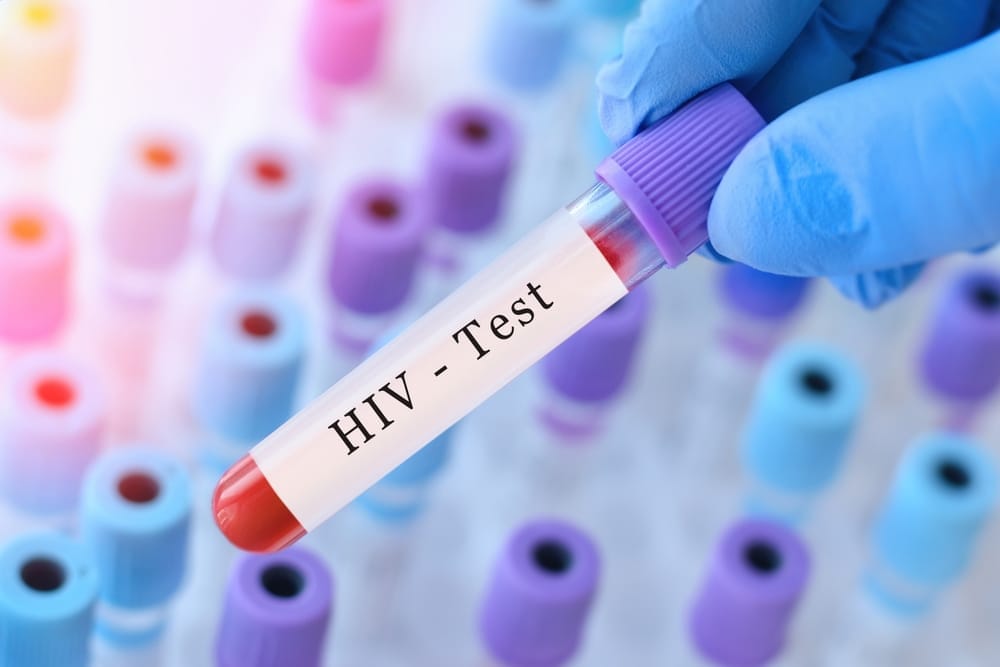
HIV Syndrome refers to the range of symptoms and health issues caused by the Human Immunodeficiency Virus (HIV), a virus that progressively weakens the immune system. Without treatment, HIV can lead to AIDS (Acquired Immunodeficiency Syndrome), a more severe stage where the immune system becomes critically vulnerable.
For a primer on the testing process, read how anonymous STD testing works.
Monitoring the viral load is central to managing HIV effectively. With timely testing, proper care, and the right knowledge, individuals with HIV can maintain their health and lead fulfilling lives.
Understanding HIV, recognizing its signs, and taking proactive steps are vital for long-term well-being.
What Is HIV Syndrome?
HIV syndrome refers to the wide range of symptoms and stages a person experiences after HIV exposure. It’s important to note that HIV is a virus, not a single disease.
Over time, without HIV treatment, HIV infection can lead to acquired immune deficiency syndrome (AIDS), the late stage of the infection characterized by severe immune system compromise and a high viral load.
How HIV Is Transmitted
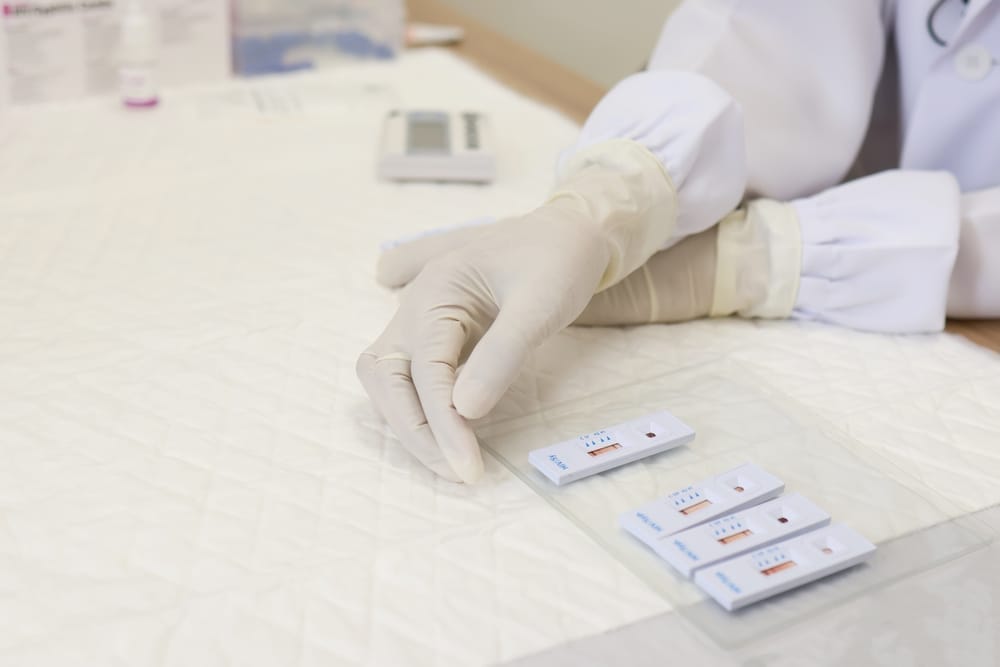
HIV mainly spreads through unprotected sex (including sex with men or sex with women), sharing of contaminated needles, and less commonly, from an HIV-positive mother to her child during pregnancy or breastfeeding.
Men who have sex with men are at higher risk, but anyone having unprotected sex or sharing needles should consider regular screening to prevent HIV. Understanding your HIV status empowers you to seek care quickly, access HIV treatment, and protect your health.
Stages of HIV Infection (Human Immunodeficiency Virus (HIV))
The condition unfolds in several stages, each with unique characteristics and implications for health and screening. Here’s what you should know:
Stage 1: Acute HIV Infection

This first stage occurs within two to four weeks after being exposed to HIV. During this period, some people may experience flu-like symptoms, such as:
- Fever
- Sore throat
- Muscle aches
- Swollen lymph nodes
- Rash
It’s easy to overlook these symptoms of being infected with HIV as they often mimic common viruses like the flu. Nonetheless, this phase is when new HIV infections are most contagious. Testing at this stage can sometimes be tricky because certain HIV tests only become positive a few weeks after infection.
If you’ve had a recent high-risk encounter (such as unprotected sex or contact with blood), talk to a healthcare provider in Singapore about when to get tested for HIV prevention.
Stage 2: Chronic HIV Infection (Clinical Latency)

The next stage, known as the clinical latency stage, may last for years. Many people experience no significant symptoms during this time. Nonetheless, HIV is still active, and the infectious disease can be transmitted to others.
This is why regular screening is critical, especially if your lifestyle includes factors that may increase risk (like having multiple sexual partners or sex with men). Early diagnosis and HIV medicine can help treat HIV effectively, preventing further progression.
Stage 3: Acquired Immune Deficiency Syndrome (AIDS)
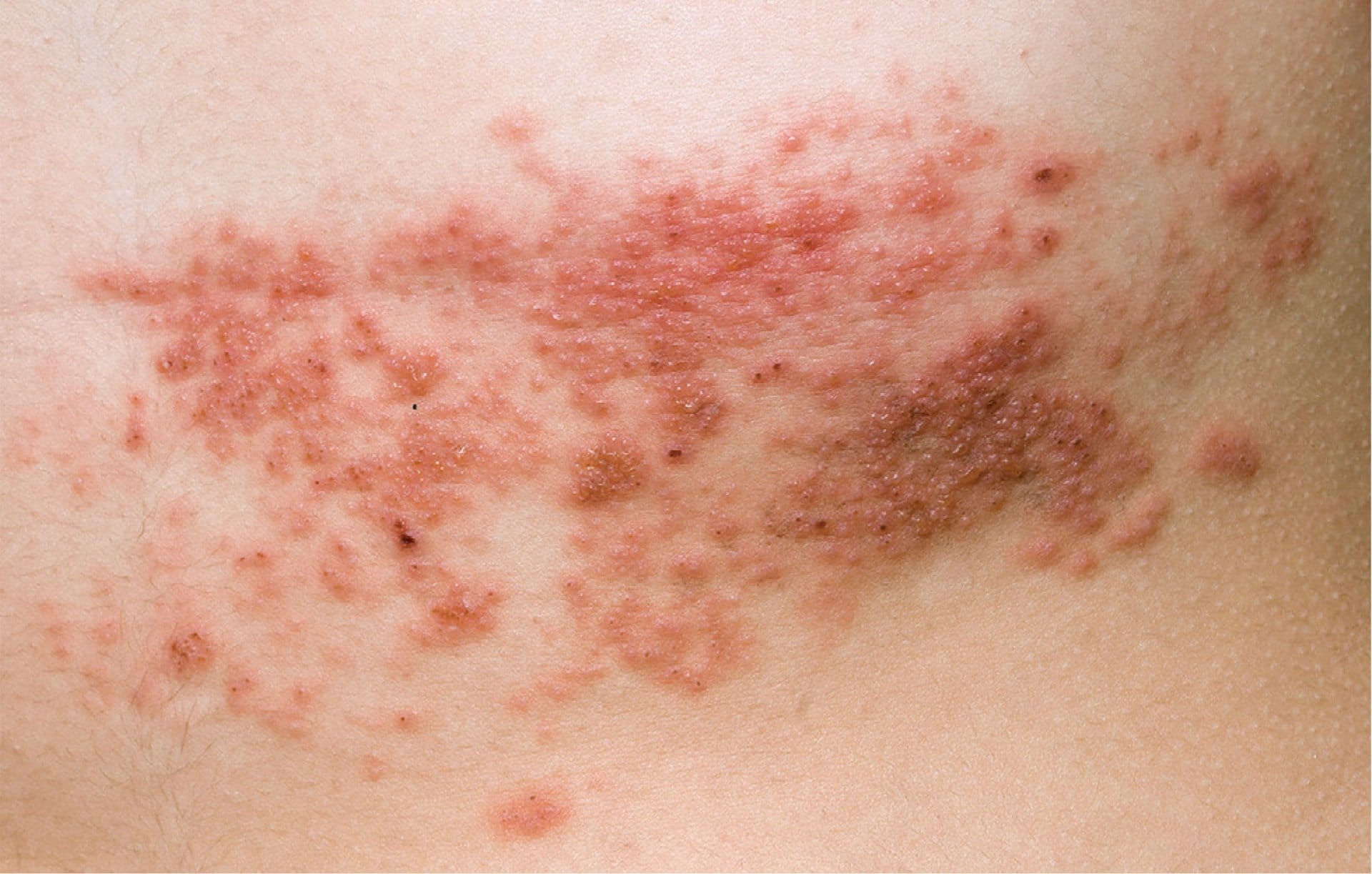
Without treatment, chronic HIV can progress to AIDS, also known as acquired immune deficiency syndrome. At this point, the immune system is significantly weakened, making the body vulnerable to other infectious diseases, unusual infections, and certain cancers. Symptoms become more severe and may include:
- Rapid weight loss
- Recurring fever or night sweats
- Extreme tiredness
- Prolonged swelling of lymph glands
- Diarrhea lasting longer than a week
- Unusual infections or skin lesions
It’s vital to remember that with prompt diagnosis and modern antiretroviral treatment, most people living with HIV in Singapore will never reach this stage. HIV medicine plays a crucial role in managing the condition and improving quality of life for those infected with HIV.
Symptoms of HIV to Watch For
While the stages of HIV infection are medically defined, symptoms of HIV are not always straightforward. Early HIV symptoms can be as mild as a brief fever or sore throat, or they may not appear at all. Some of the key symptoms to watch for include:
- Flu-like symptoms (especially after a potential exposure event, such as anal or vaginal sex)
- Ongoing fatigue
- Night sweats
- Unexplained weight loss
- Persistent cough or diarrhea
- Swollen lymph nodes
People with AIDS or those diagnosed with HIV should work closely with a qualified doctor to manage their health and explore treatment options. Although there is no cure for HIV currently available, early detection and proper care can significantly aid in improving quality of life.
Anyone who suspects they may have been exposed to HIV, regardless of risk group (including women and men who have sex), should get HIV screening options discussed with a qualified doctor.
Why Understanding HIV Stages Matters?
Accurate and early knowledge about the stage of HIV infection provides several benefits:
- Proactive management. Early diagnosis of HIV and AIDS symptoms and causes allows for prompt initiation of antiretroviral therapy, dramatically improving health outcomes.
- Protecting others. Knowing your HIV status and understanding the transmission of HIV helps prevent new HIV infections by informing safer choices in relationships.
- Reducing stigma. Open discussion of HIV, symptoms of AIDS, and its causes empowers communities and supports those living with the virus.
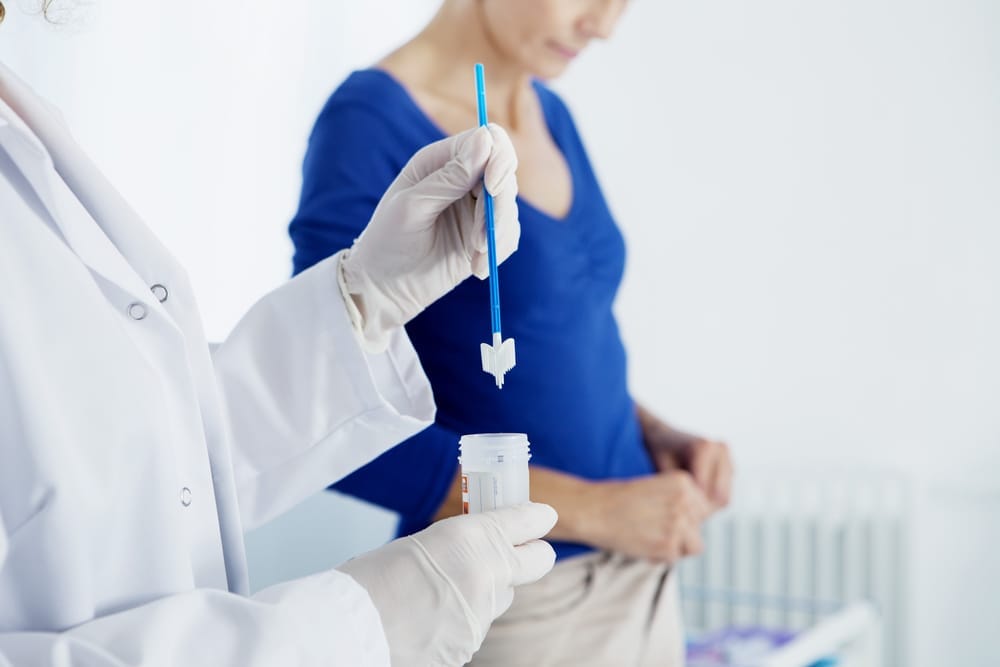
Singapore has a comprehensive system for HIV screening and management. Regular screening is encouraged for all sexually active adults, particularly men who have sex with men and others at higher risk. Clinics such as Mediway Medical offer confidential testing and counseling services, and positive results are handled with the utmost care and support.
Encouraging Proactive Health Screening
One of the most powerful things you can do for your health is regular screening. Here’s why:
- Peace of mind. Even if you never experience symptoms of HIV, knowing your status helps reduce anxiety and supports better health choices.
- Early intervention. If detected early, HIV infections are highly manageable with today’s medications, enabling a long, healthy life.
If you’re unsure about your risk or when to get screened, reach out to a healthcare provider. Screening is quick, confidential, and supported by a compassionate healthcare team here in Singapore.
Taking Charge of Your Health
You don’t have to face questions about HIV alone. At Mediway Medical, we are committed to providing caring, confidential, and comprehensive support for everyone seeking information or screening for HIV and other STDs.
Practical Steps for Readers
- If you’ve had a potential HIV exposure (such as unprotected sex, sharing needles, or other risks), make an appointment for screening as soon as possible.
- Watch for symptoms of HIV-but remember, many people experience none. Screening remains essential, even in the absence of symptoms.
- If you are entering or renewing a work permit/pass, regular health screenings are mandatory. These often include HIV testing as part of standard check-ups.
- Speak openly with your doctor about any concerns, including your sexual health and lifestyle. There’s no judgment, only support.
When Should You Have HIV Test?
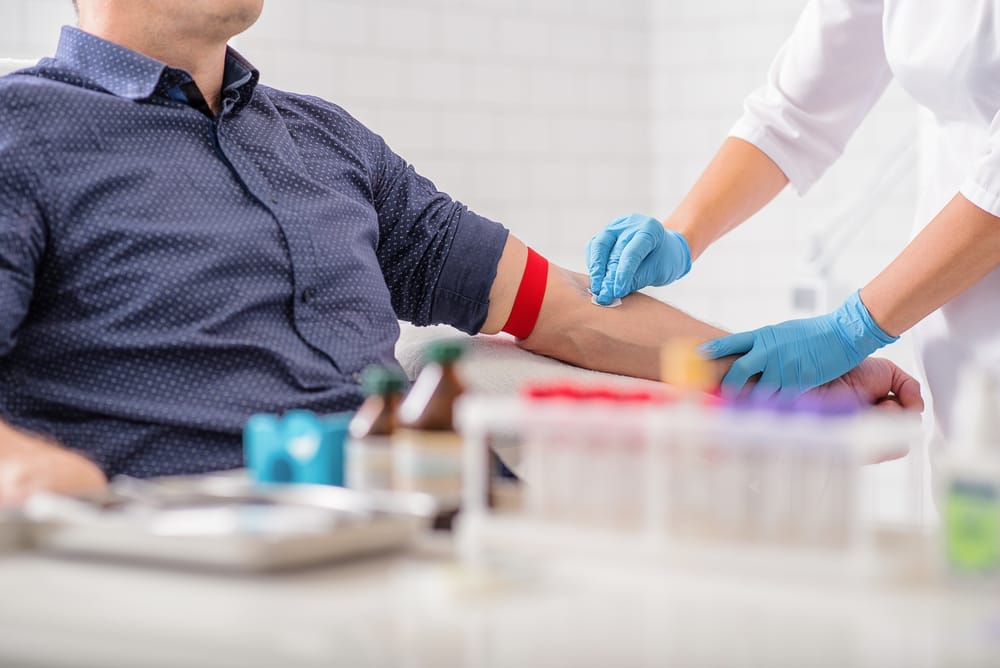
Testing for HIV is vital to maintaining your health and preventing transmission. Early detection ensures timely treatment and supports informed decisions for a healthier future.
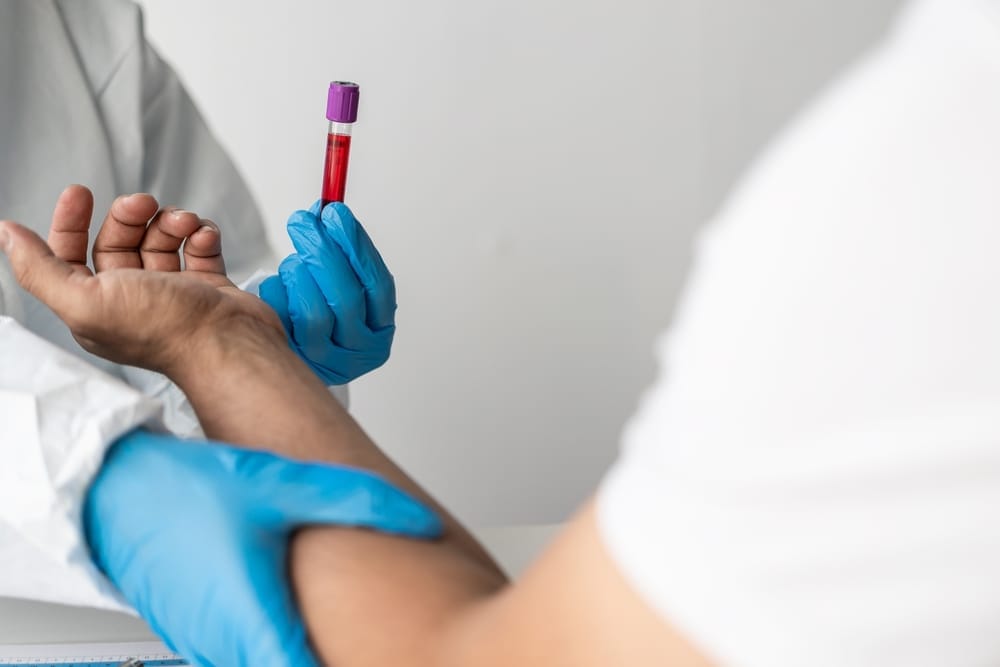
Recognizing the signs and symptoms of HIV disease is crucial in identifying potential risks and seeking timely care. Testing also helps prevent HIV by reducing the chances of unknowingly spreading the virus.
- After any potential exposure to HIV (such as unprotected sex or sharing needles, where HIV is spread most commonly)
- If you develop flu-like symptoms after a higher-risk encounter, which could be an early indication of how HIV spreads
- Regularly as part of comprehensive health screenings (especially if you’re a man who has sex with men, have multiple partners, or work in healthcare or related fields, where understanding how HIV spreads is key)
- When required by employment or immigration regulations in Singapore
Prevention And Control Strategies
Understanding HIV prevention methods and control strategies is crucial in reducing the spread of HIV. These proactive measures ensure safety, support healthy communities, and empower individuals through awareness. HIV is not spread through casual contact but rather through specific transmission routes that can be effectively managed.
Practice Safe Sex
Using condoms consistently and correctly during sexual activity significantly reduces the risk of HIV transmission. Open communication with partners about sexual health and testing also helps prevent spreading HIV to others. Symptoms like fever, fatigue, or rash may indicate infection, so testing is vital.
Regular HIV Testing
Routine HIV testing is a critical HIV prevention method. Early detection of the HIV virus allows individuals to seek antiretroviral therapy for human immunodeficiency treatment, preventing the virus from progressing and ensuring it doesn’t develop AIDS within a short timeframe. Testing also reduces the risk of unknowingly transmitting HIV to others.
Pre-Exposure Prophylaxis (PrEP)
PrEP is a highly effective HIV prevention method. This medication is taken daily by individuals at high risk of contracting the HIV virus, such as those with HIV-positive partners. When used as prescribed, it greatly reduces transmission risk.
Avoid Sharing Needles or Equipment
Sharing needles for drug use, tattoos, or piercings can transmit the HIV virus. Always use new or sterilized equipment to eliminate risk. Promoting HIV prevention includes spreading awareness about safe practices and harm reduction.
Education and Awareness
Educating the public about HIV transmission, prevention, and types of HIV reduces stigma and promotes informed decision-making. Stopping HIV stigma is essential for encouraging testing and treatment.
Antiretroviral Treatment (ART)
For individuals living with HIV, consistent use of antiretroviral therapy for human immunodeficiency can suppress the virus to undetectable levels. This makes it untransmittable to others while significantly improving overall health.
Mother-to-Child Transmission Prevention
Pregnant individuals with the HIV virus can greatly reduce the risk of transmission to their child through ART and other preventive measures. Promoting HIV prevention during pregnancy and childbirth is vital to ensuring the health of both parent and child.
Promoting HIV prevention and stopping HIV stigma are key to fostering healthy communities and supporting those affected by the HIV virus. Understanding symptoms, prevention methods, and treatment options empowers individuals to take control of their health.
Moving Forward with Confidence
Understanding HIV syndrome, its stages, and the significance of screening empowers you to make informed choices about your health and well-being. Whether you are seeking peace of mind, considering a work permit renewal, or prioritizing your sexual health, know that care and support is available right here in Singapore.
If you have questions or want more information about HIV screening and care, connect with me or our compassionate team at Mediway Medical. Your health is our priority, and every step you take towards awareness is a victory for your well-being.
Take care and remember-I’m here to help you on your health journey.
Related Reading
- Early Signs of Genital Warts in Women
- Premarital STD & HIV Testing Singapore
- What Does AIDS Positive Mean?
Explore our sexual health clinic.
Frequently Asked Questions
01 What are the early symptoms of HIV syndrome?
Early symptoms may include flu-like signs such as fever, fatigue, sore throat, swollen lymph nodes, rash, and muscle aches. These symptoms often appear 2-4 weeks after exposure.
02 Can HIV syndrome be treated or cured?
While there is no cure for HIV, antiretroviral therapy (ART) can effectively manage the virus, reduce symptoms, and prevent progression to AIDS. Early diagnosis and treatment are crucial.
03 How can HIV be prevented?
Prevention methods include practicing safe sex (using condoms), regular HIV testing, taking pre-exposure prophylaxis (PrEP) if at high risk, avoiding sharing needles, and ensuring blood products are screened.





Why Choose Us
Choose Mediway Medical for reliable and efficient medical examinations, with on-site facilities, streamlined processes, and clear reporting timelines.
One-Stop Medical Centre
We provide comprehensive services in a single visit, including on-site chest X-ray and required medical tests.
Patient-Centred Experience
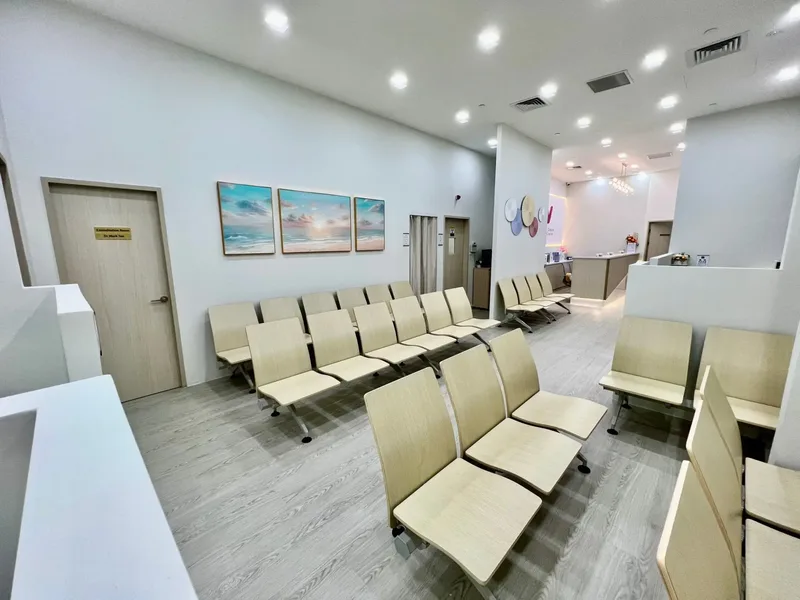
Our dedicated healthcare team focuses on providing clear guidance, professional care, and a comfortable clinic experience.
Minimum Waiting Time
We prioritise efficient workflows to keep waiting times short while maintaining accuracy and care quality.
Fast Turnaround Time
Medical reports are ready by the next working day, with same-day reporting available for selected cases.
Book Your Visit
Walk-ins welcome up to 30 minutes before closing.
Directions
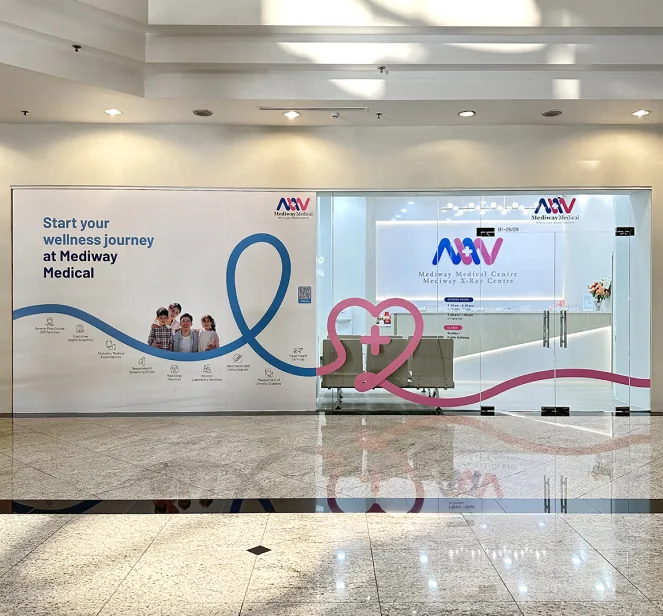
Located in central Singapore, just a 2-minute walk from Clarke Quay MRT.
Mon–Fri before 5/6pm: $2.00 for 1st hr, $1.00 for next subsequent 30min from 7am to 5pm
Mon–Fri after 5/6pm: $3.21/entry from 5pm to 7am the following day
Sat: $2.00 for 1st hr, $1.00 for next subsequent 30min from 7am to 5pm, $3.21/entry from 5pm to 7am the following day
Sun/PH: $3.21/entry from 7am to 7am the following day
Exit E. 2-minute walk along the river towards The Riverwalk building. We are at #B1-26/29.