

Allergies affect thousands of Singaporeans every year, from common triggers like dust mites and pollen to severe, life-threatening food allergies. If you or your child frequently experience symptoms such as sneezing, rashes, or asthma, it may be time to consider an allergy test. Identifying the cause of your allergies is the first step toward effective management and a better quality of life.
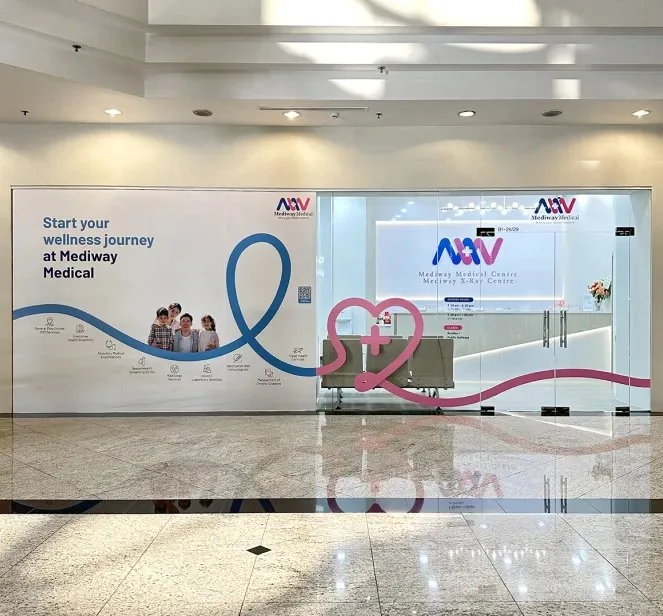
Here at Mediway Medical, we offer reliable and comprehensive allergy testing to help you pinpoint your triggers. Our experienced team uses advanced diagnostic tools to ensure accurate results, providing you with the quality care and guidance to manage your allergies effectively.
This guide will walk you through everything you need to know about allergy testing in Singapore, including the types of tests, common allergens, and how us in Mediway Medical can support you in managing allergic reactions. Take the first step toward better health with Mediway Medical today!
What Is an Allergy Test?
An allergy test is a diagnostic tool used to identify substances, or allergens, that trigger allergic reactions. These tests can help diagnose allergies related to food, environmental triggers like pollen or dust mites, and even medications.
If you’re considering an allergy test in Singapore, there are various options available, including an allergy blood test for accurate results.

Importance of Allergy Testing
Knowing your specific allergens is crucial for creating an effective management plan. Whether your allergies are mild or cause life-threatening reactions, taking an allergy test can help you avoid unnecessary risks and live more comfortably. Allergy test Singapore services offer convenient and reliable ways to identify your triggers.
Who Should Get Tested for Allergies?
- Individuals with recurring symptoms like sneezing, itchy eyes, or eczema
- Families with a history of allergic conditions such as asthma or rhinitis
- Parents concerned about food or environmental allergies in their children
If you’re in need of a test in Singapore, options like an allergy blood test can provide clear insights into your health and help you manage your allergies better.
Types of Allergy Tests
Identifying the allergens that trigger your symptoms is key to managing and treating allergies. Allergy tests, such as allergy skin tests and blood tests, can help pinpoint these triggers. In this section, we’ll explore how these tests provide insights into your allergies and, along with allergy medications, help create a personalized management plan.
Skin Tests

Skin Prick Test – involves lightly pricking the skin and introducing small amounts of potential allergens. If a red, itchy bump forms, it indicates an allergy to that substance.
Common Uses
- Diagnosing food allergies like nuts or shellfish
- Identifying environmental triggers like pet dander and pollen
Patch Test – is used to identify contact allergies, like reactions to latex or insect stings. A patch with allergens is applied to the skin and observed for delayed reactions, typically over 48 hours.
Blood Tests

Specific IgE Test – this test measures specific immunoglobulin E (IgE) antibodies in your blood that respond to allergens. It is highly accurate and ideal for individuals who cannot undergo skin testing.
Total IgE Test – this test provides general insights into allergic responses by measuring the overall IgE levels in your blood. It’s often used as an initial screening tool for allergies.
Challenge Tests
During a challenge test, a controlled exposure to allergens is conducted under medical supervision. It’s commonly used for diagnosing food allergies. For example, a small amount of suspected food allergen is ingested, and the reaction is monitored.
Common Allergens in Singapore
Singapore is home to a variety of common allergens that can trigger allergic reactions in susceptible individuals. Being aware of these allergens through an allergen test is essential in managing and avoiding potential allergic triggers, especially for those with skin conditions or sensitivity to a single allergen.
Food Allergens
Singaporeans frequently encounter food allergens such as nuts, shellfish, dairy, and soy. Reading food labels carefully is vital to avoid accidental exposure.

Environmental Allergens
- Dust Mites thrive in humid environments like Singapore’s climate and are a leading cause of allergic rhinitis and asthma.
- Pollen from certain plants is seasonal but can also trigger symptoms.
- Mold thrives in damp indoor environments, especially during Singapore’s rainy season.
Other Common Allergens
- Medications, such as penicillin, can cause allergic reactions.
- Latex, often used in gloves and balloons, may trigger skin allergies.
- Insect stings from bees or wasps can result in severe, life-threatening allergic responses like anaphylaxis.
Allergy Symptoms
- Mild Symptoms include sneezing, itchy eyes, and rashes like eczema.
- Severe Reactions may lead to anaphylaxis-a life-threatening condition with swelling, difficulty breathing, and a drop in blood pressure.
- Allergic conditions such as asthma and rhinitis often coexist and can worsen if not properly managed.
Preparing for an Allergy Test
- Consulting a Doctor: Start with a consultation to discuss your symptoms and medical history.
- Medication Restrictions: Avoid antihistamines or certain medications that may interfere with test accuracy.
- What to Expect: Most allergy tests are quick, minimally invasive, and performed by skilled professionals.
Why Choose Mediway for Allergy Testing in Singapore?
Us in Mediway, we take pride in being an established clinic in Singapore for allergy testing. Our comprehensive range of allergy tests is designed to accurately identify the allergens responsible for your symptoms, helping you take control of your health with confidence.
What is the Immunoglobulin E (IgE) Blood Test?
The IgE blood test is an essential procedure for diagnosing allergies, and at Mediway Medical, we make this process simple and efficient. This test measures the levels of IgE antibodies in your blood, produced in response to specific allergens. Us at Mediway Medical, we provide accurate results that offer valuable insights into your body’s reactions, helping you achieve precise allergy diagnoses and personalized treatment plans.
The 54-Allergen Panel: Comprehensive Testing at Its Best
Our advanced 54-allergen panel provides comprehensive coverage of a wide spectrum of common triggers, from food allergens to environmental irritants. Using modern diagnostic technology, we at Mediway delivers thorough testing and highly accurate results you can trust. Plus, our medical team is here to provide expert guidance, helping you understand your results and take the right steps toward managing your allergies effectively.
Interpreting Allergy Test Results
- A positive result indicates sensitivity to an allergen.
- Results often include levels of allergic sensitivity, which help tailor your management plan.
Understanding your test results allows you to take actionable steps toward reducing exposure to triggers, whether it’s dust mites at home or specific foods.
Managing Allergies
Effectively managing allergies is crucial for minimizing symptoms and improving overall well-being. This section provides practical strategies and treatment options to help you navigate your day-to-day life with allergies. By implementing avoidance strategies and exploring suitable treatments, you can take control of your allergies and experience relief from symptoms.
Avoidance Strategies
- Create Allergen-Free Environments: Use hypoallergenic bedding and frequently clean areas prone to dust mite accumulation.
- Read Food Labels Carefully: This is essential for managing food allergies effectively.
Treatment Options
- Use antihistamines or nasal sprays to relieve symptoms like sneezing and itching.
- Consider immunotherapy, such as allergy shots, for long-term relief.
- For severe reactions, always have epinephrine on hand and know how to use an epinephrine auto-injector.
- Allergy tests may be able to confirm whether a particular substance triggers your symptoms. These tests involve checks for immediate allergic reactions to as many allergens as possible and can confirm whether you are allergic to a particular substance within a few minutes.
Lifestyle Adjustments
- Adjust your diet to eliminate trigger foods safely.
- Adapt to Singapore’s humid environment by using dehumidifiers to minimize mold growth.
Take Charge of Your Health Today
Early diagnosis and ongoing management are essential to living a healthy and fulfilling life with allergies. Allergies occur when the immune system mistakenly identifies certain substances as harmful, leading to reactions that can impact your daily activities.
Patients with allergic rhinitis, for example, may experience symptoms like sneezing and congestion. By identifying your triggers and taking proactive measures, you can significantly reduce symptoms and improve your overall quality of life. Strategies like avoiding allergens, using prescribed treatments, and staying informed about your condition can help you minimize allergic reactions and regain control over your health.
If you’re ready to take the first step toward managing your allergies, we are here at Mediway Medical to help. We offer comprehensive allergy testing to pinpoint your triggers and create a personalized plan to keep your symptoms in check. Don’t let allergies hold you back-contact Mediway Medical today to book your allergy test. Your path to better well-being starts here!
Related Reading
Explore our allergy testing.