

Did you know that a stool analysis can uncover much more than colon cancer? This simple, non-invasive test plays a crucial role in detecting a wide range of health conditions, from digestive disorders to infections-giving you invaluable insights into your well-being.
For the full context on lab work in screening, read guide to blood tests in screening.
Whether you’re proactive about your health or managing specific symptoms, understanding what stool analysis can reveal is the first step toward better care.
Read on to explore its benefits and why it’s an essential tool for preventive health management.
What Is a Stool Analysis Test?
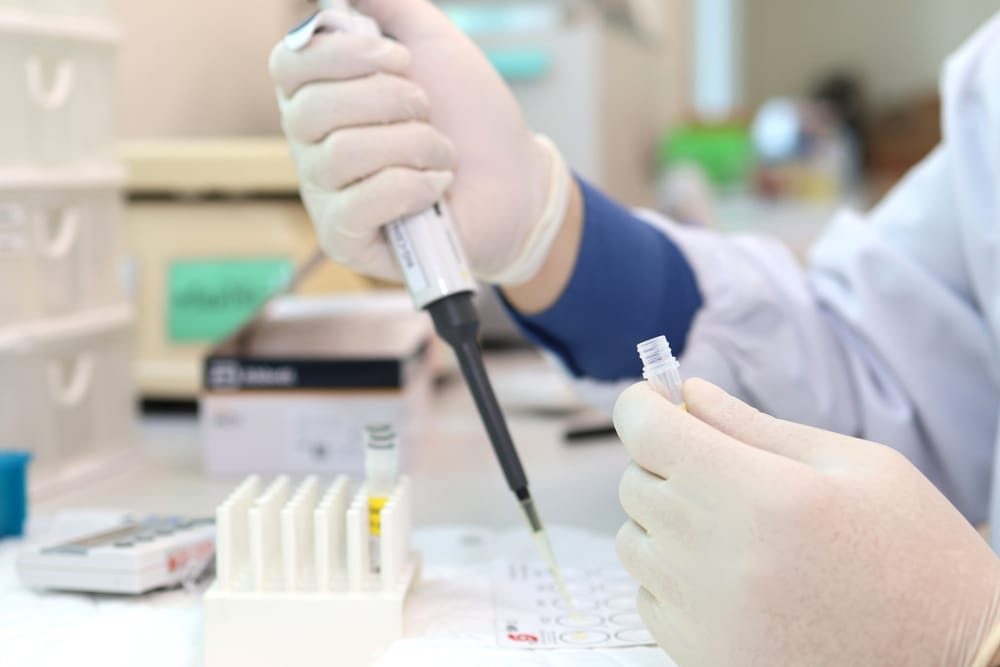
A stool analysis test involves examining a stool sample in a laboratory setting to detect various health conditions and assess digestive function.
The process requires collecting a small sample of your stool, which is then analyzed for multiple components including blood, bacteria, parasites, inflammatory markers, and other substances that indicate different health conditions.

The beauty of stool testing lies in its non-invasive nature and comprehensive diagnostic capabilities. Unlike procedures such as colonoscopy, which require preparation and sedation, stool analysis simply requires providing a sample that can be collected in the comfort of your own home. The laboratory analysis can reveal microscopic elements invisible to the naked eye, providing detailed information about your gastrointestinal health.
Modern stool tests in Singapore utilize advanced technology to detect even trace amounts of substances that might indicate health concerns. From identifying occult blood that suggests potential bleeding in the digestive tract to detecting specific bacterial strains or parasites, these tests offer remarkable insights into conditions that might otherwise remain undiagnosed until symptoms become severe.
Benefits of Stool Analysis for Your Health
One of the most significant advantages of regular stool testing is its ability to catch problems before they develop into serious health issues. Many gastrointestinal conditions begin with subtle changes that don’t immediately cause noticeable symptoms. By the time symptoms appear, the condition may have progressed significantly.
Stool analysis can detect microscopic amounts of blood in your digestive system, often indicating inflammation, ulcers, or other concerning conditions long before you experience pain or discomfort. This early detection capability proves invaluable for preventing more serious complications and ensuring prompt treatment when intervention can be most effective.
Insights into Overall Digestive Health and Microbiome Balance
Your gut microbiome plays a crucial role in overall health, affecting everything from immune function to mental well-being. Stool analysis provides detailed information about the balance of beneficial and harmful bacteria in your digestive system, helping identify imbalances that might contribute to various health issues.
Understanding your microbiome composition allows for targeted interventions, such as specific probiotic recommendations or dietary modifications, to restore optimal bacterial balance. This personalized approach to digestive health can improve not only gastrointestinal symptoms but also contribute to better overall health outcomes.
Peace of Mind Through Non-Invasive Yet Comprehensive Screening
Many people avoid important health screenings due to discomfort, inconvenience, or anxiety about invasive procedures. Stool analysis offers a comfortable alternative that provides comprehensive health information without the stress or preparation required for other diagnostic procedures.
The convenience factor cannot be overstated, especially for busy professionals in Singapore who may struggle to find time for extensive medical appointments. Collecting a stool sample takes just minutes and can be done at home, making it an accessible option for maintaining regular health monitoring.
Step-by-Step Process of a Stool Analysis Test in Singapore
Preparing for a stool test is straightforward, though specific requirements may vary depending on the type of analysis being performed. Generally, you’ll need to avoid certain medications, particularly those containing iron or anti-inflammatory drugs, for several days before collecting your sample. Some tests may require dietary modifications, such as avoiding red meat or vitamin C supplements.

Your healthcare provider will provide detailed preparation instructions specific to your test type. Following these guidelines carefully ensures accurate results and prevents the need for repeat testing due to contaminated or inadequate samples.
Where to Get Tested?
Singapore offers numerous options for stool analysis testing, from public healthcare facilities to private clinics and specialized diagnostic centers. At Mediway Medical, we provide comprehensive stool testing services with minimal wait times, prioritizing your convenience and comfort throughout the process.
Many facilities now offer home collection kits, allowing you to collect your sample privately and return it to the laboratory for analysis. This option provides maximum convenience while maintaining the accuracy and reliability of laboratory-based testing.
What to Expect During and After the Test
The collection process itself is simple and takes just a few minutes. You’ll receive a sterile collection container with detailed instructions for proper sample collection and storage. Most tests require only a small amount of stool, and the container includes preservatives to maintain sample integrity during transport.
Test results typically become available within a few days to a week, depending on the specific tests performed. Your healthcare provider will review the results with you, explaining any findings and recommending appropriate follow-up care if needed.
Conditions Detected Through Stool Testing
While colorectal cancer screening remains one of the most well-known applications of stool testing, the occult blood test can detect microscopic amounts of blood that might indicate polyps, early-stage cancer, or other concerning changes in the digestive tract. Early detection through regular screening significantly improves treatment outcomes and survival rates.
The fecal immunochemical test (FIT) and other advanced screening methods can identify potential issues years before symptoms develop, making stool analysis a powerful tool in cancer prevention and early intervention strategies.
Parasitic and Bacterial Infections
Singapore’s tropical climate and diverse food culture can sometimes lead to exposure to various parasites and harmful bacteria. Stool analysis can identify specific pathogens responsible for digestive symptoms, including parasites like Giardia or bacteria such as Salmonella and Campylobacter.
Accurate identification of the specific organism causing infection allows for targeted treatment approaches, improving recovery times and preventing complications. This is particularly important for travelers or individuals who frequently consume street food or international cuisine.
Digestive Disorders, Including IBS and IBD
Inflammatory bowel diseases (IBD) such as Crohn’s disease and ulcerative colitis, as well as irritable bowel syndrome (IBS), can be challenging to diagnose based on symptoms alone. Stool analysis can detect inflammatory markers, blood, and other indicators that help differentiate between these conditions and guide appropriate treatment strategies.
Understanding the specific type and severity of digestive disorder enables personalized treatment approaches that address the root cause of symptoms rather than merely managing them.
Food Intolerances and Malabsorption Issues
Stool testing can reveal important information about how well your digestive system processes nutrients and identifies potential food intolerances or malabsorption problems. Elevated fat content in stool might indicate pancreatic insufficiency, while other markers can suggest lactose intolerance or celiac disease.
These insights prove invaluable for developing dietary strategies that improve digestive comfort and ensure optimal nutrient absorption, contributing to better overall health and energy levels.
Why Is Stool Analysis Important for Overall Health?
Preventive healthcare represents the most effective approach to maintaining long-term health and avoiding serious medical complications. Stool analysis fits perfectly into this preventive framework by identifying potential issues before they develop into significant health problems requiring extensive treatment.
Regular stool testing, particularly for individuals over 50 or those with family histories of gastrointestinal conditions, can catch problems at their earliest, most treatable stages. This proactive approach often results in better health outcomes and lower healthcare costs over time.
Empowering Individuals to Make Informed Health Decisions
Knowledge about your digestive health status empowers you to make informed decisions about diet, lifestyle, and medical care. Understanding your specific risk factors and current health status allows for personalized approaches to health maintenance and disease prevention.
This information proves particularly valuable for individuals with chronic digestive symptoms who may have struggled to find effective treatments. Detailed stool analysis results can guide healthcare providers toward more targeted and effective treatment strategies.
Relevance to Specific Audiences
For employees requiring health screenings for work permits or employment purposes, stool analysis often forms part of comprehensive health assessments. Understanding what these tests detect helps individuals prepare appropriately and address any identified issues promptly.
Additionally, individuals experiencing unexplained digestive symptoms, those with family histories of gastrointestinal diseases, or people seeking comprehensive health screenings can benefit significantly from regular stool analysis as part of their healthcare routine.
Take Control of Your Digestive Health Today
Stool analysis testing goes beyond colorectal cancer screening, offering valuable insights into your digestive health, microbiome balance, and overall well-being. This simple, non-invasive screening test can detect infections, inflammation, food intolerances, gut microbes, and malabsorption issues, making it a key part of preventive healthcare. Screening is recommended, especially if you’re experiencing digestive symptoms or noticing blood in the stool.
By understanding what stool testing can reveal, you can take proactive steps toward better health. Whether you’re managing digestive symptoms, seeking a health screening, or aiming for optimal wellness, this test provides essential information for informed decisions.
Don’t wait for symptoms to worsen. Get screened and schedule your stool analysis today to take control of your digestive health. At Mediway Medical, we’re dedicated to offering convenient, comfortable testing services that put your well-being first.
Related Reading
Explore our blood test services.