
Welcoming a new life into the world is an incredible journey, and ensuring your baby’s health starts long before birth. In Singapore, prenatal health screenings play a vital role in giving parents peace of mind and preparing for a healthy pregnancy.
For a broader checklist of what to test, see our health screening checklist.
From advanced genetic tests to routine ultrasounds, these screenings provide valuable insights into your baby’s development. Let’s explore the essential tests every mother should consider to make informed decisions for a smooth and joyful pregnancy journey.
What Is Prenatal Screening?
Prenatal screening includes medical tests during pregnancy to assess the risk of genetic conditions, birth defects, or complications in your baby. Unlike diagnostic tests, they estimate probability rather than give definitive answers.
I explain to my patients that prenatal screening has two main purposes: identifying pregnancies at higher risk for certain conditions for closer monitoring and providing reassurance when results show low risk.
Modern prenatal screening is non-invasive, requiring only a blood sample or ultrasound, making it safe for both mother and baby.
Types of Prenatal Test Available in Singapore
Understanding the types of prenatal tests available is essential for expecting parents. These tests help assess your baby’s development and detect potential health concerns early.
First Trimester Screening (FTS)
The First Trimester Screening combines blood tests and ultrasound measurements between 11 and 14 weeks of pregnancy. It’s one of the most valuable early screening tools in my practice.
The blood test measures proteins and hormones like PAPP-A and beta-hCG, while the ultrasound checks nuchal translucency (the fluid at the back of the baby’s neck). Together, these assess the risk for Down syndrome, trisomy 18, and trisomy 13.
What makes FTS so great is its timing. Families receive important information early on, with the option for further diagnostic testing if needed.
Non-Invasive Prenatal Testing (NIPT)
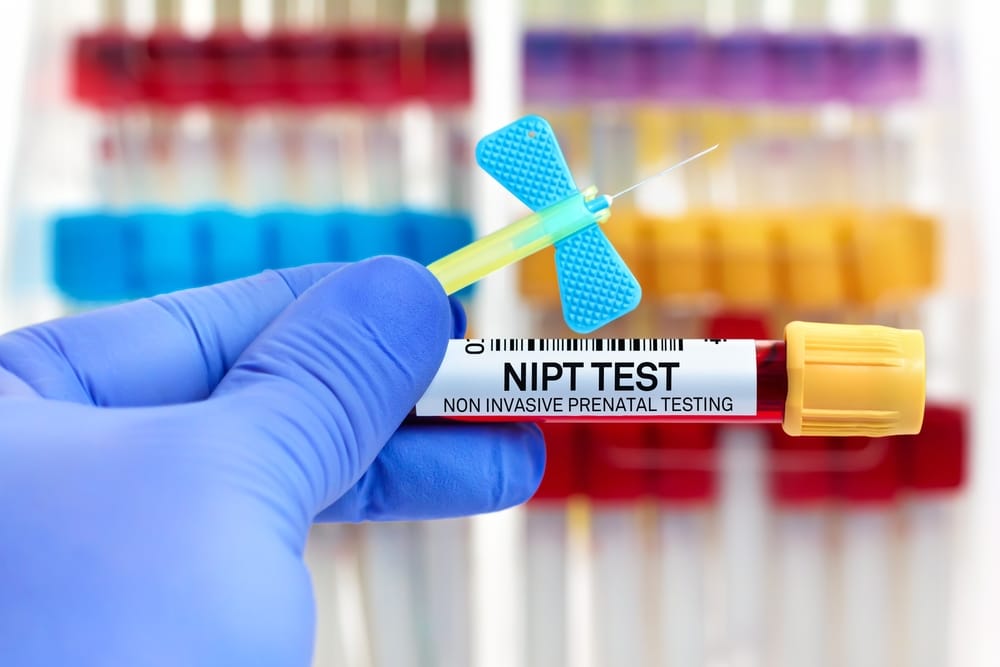
NIPT is one of the most advanced prenatal screening tools in my career. This blood test, performed after 10 weeks, analyzes cell-free DNA from the placenta in your bloodstream.
The accuracy is remarkable-over 99% for Down syndrome, with high rates for trisomy 18 and 13. Some tests also screen for sex chromosome abnormalities and can reveal the baby’s sex.
I often recommend NIPT for patients with higher risk factors, such as advanced maternal age, abnormal FTS results, or a family history of genetic conditions. It’s also becoming popular among expectant mothers seeking extra reassurance.
Ultrasound Scans
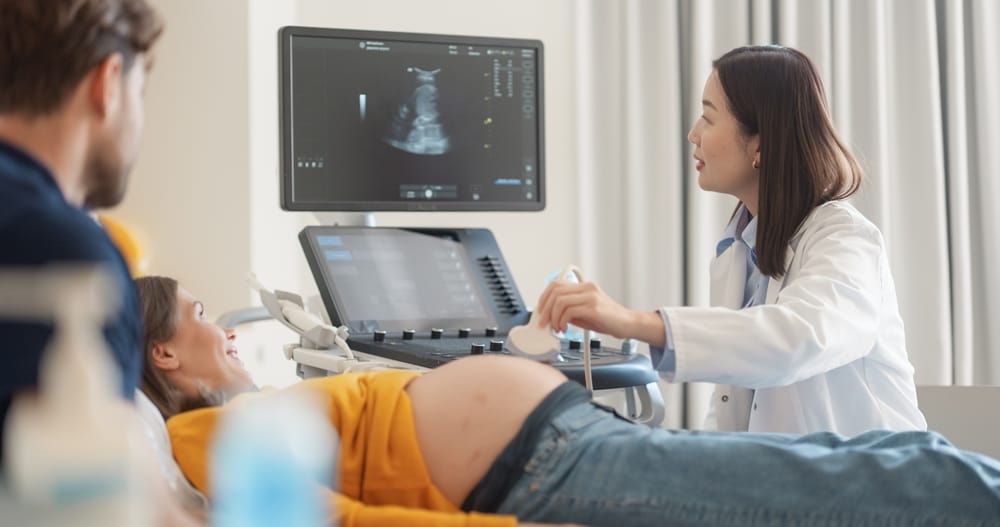
Ultrasounds are essential for prenatal monitoring, providing both critical medical information and a chance for parents to see their baby.
The dating scan (6-10 weeks) confirms viability and estimates due date. The nuchal translucency scan (11-14 weeks) pairs with FTS. The anomaly scan (18-22 weeks) checks for structural abnormalities.
Growth scans in the third trimester monitor development and position. Each ultrasound serves a purpose while helping parents bond with their baby.
Blood Tests and Genetic Testing
Various blood tests complement ultrasounds during pregnancy. The glucose tolerance test screens for gestational diabetes between 24-28 weeks. Blood count and blood group testing are done early and may be repeated.
For couples with certain ethnic backgrounds or family histories, I might recommend carrier screening for conditions like thalassemia or cystic fibrosis. These tests help identify if parents carry genetic variants that could affect their baby.
When to Get Prenatal Screenings?
Timing plays a crucial role in prenatal screening effectiveness for pregnant women. I typically recommend this schedule to my patients:

First trimester (1-14 weeks)
Dating ultrasound, FTS, and NIPT if desired. Early blood work including full blood count, blood grouping, and infection screening. Procedures such as chorionic villus sampling may also be considered if indicated.
Second trimester (15-28 weeks)
Detailed anomaly scan around 20 weeks, glucose tolerance test between 24-28 weeks, and additional blood work as needed. Amniocentesis may be recommended for further genetic testing, particularly in cases of suspected conditions like Patau syndrome or trisomy 21.
Third trimester (29-40 weeks)
Growth scans, position assessment, and monitoring for complications like preeclampsia or gestational diabetes.
Some tests have narrow windows for optimal accuracy. For example, nuchal translucency must be measured between 11-14 weeks, while the glucose tolerance test works best between 24-28 weeks.
Benefits of Prenatal Screening Test
Throughout my career, I’ve seen how prenatal screening transforms pregnancy. Early detection of fetal chromosomal abnormalities enables informed decisions and proper medical care.
When screenings identify potential issues, such as fetus chromosomal abnormalities, we can arrange specialized care, extra monitoring, or delivery at well-equipped facilities, improving outcomes for both mother and baby.
Most importantly, prenatal screening offers peace of mind. Reassuring results reduce anxiety, while higher-risk results help families prepare emotionally and practically.
Families often use screening results to find support groups, arrange medical care, or adjust their expectations and birth plans.
Choosing the Right Clinic or Hospital
Selecting the right healthcare provider significantly impacts your prenatal screening experience. I recommend considering several factors when making this important decision.
Look for clinics with experienced obstetricians who perform high volumes of prenatal screening. Advanced ultrasound equipment and on-site laboratory facilities improve convenience and accuracy.
Communication style matters enormously. Choose providers who explain results clearly, answer questions patiently, and respect your values and preferences. You should feel comfortable discussing concerns and asking for clarification.
Location and scheduling flexibility also deserve consideration. Prenatal appointments occur frequently, so convenient access reduces stress and makes adherence easier.
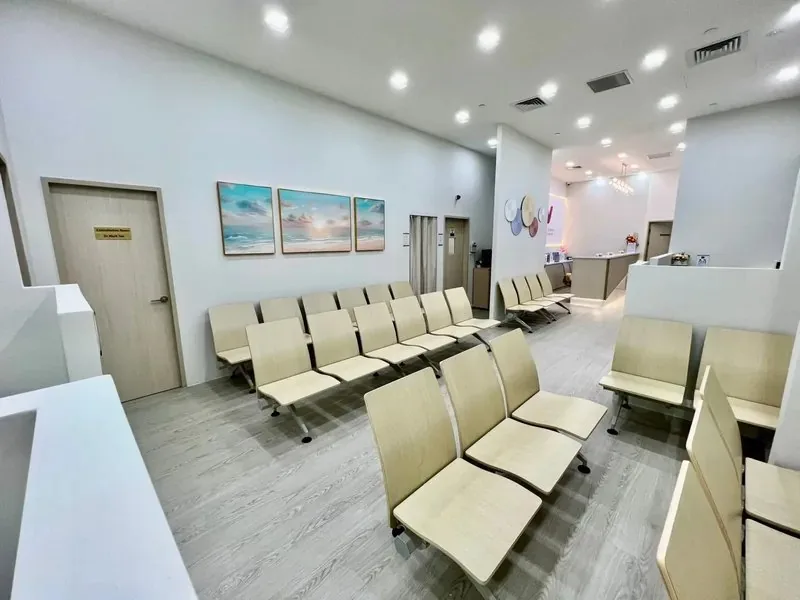
At Mediway Medical, we pride ourselves on personalized care, modern equipment, and minimal wait times. Our motto “Where Your Health Matters” reflects our commitment to making prenatal screening as comfortable and informative as possible.
Taking the Next Step in Your Pregnancy Journey
Prenatal screening empowers you with knowledge to make informed decisions throughout your pregnancy. Whether you choose basic screening or comprehensive testing, the goal remains the same: supporting you and your growing family.
At Mediway Medical, I’m committed to providing personalized prenatal care that respects your individual needs and concerns. Our comprehensive screening services, modern facilities, and caring approach ensure you receive the support you deserve during this special time.
Don’t let uncertainty overshadow the joy of pregnancy. Contact us today to schedule your prenatal screening consultation and take the first step toward a healthy, informed pregnancy journey. Remember, when it comes to your health and your baby’s wellbeing, knowledge truly is power.
Related Reading
Explore our health screening packages.