
Do you ever feel a persistent sense of fatigue, deal with joint pain, or notice unusual skin rashes that you can’t quite explain? These symptoms can be confusing and worrying, often leaving you searching for answers. In Singapore, one condition that can cause such wide-ranging symptoms is lupus.
For the full context on lab work in screening, read guide to blood tests in screening.
Understanding the screening process is the first step in uncovering the answers. This guide will walk you through lupus screening, explain what key blood tests can tell you, and empower you to take the next step in managing your health with confidence.
Why is Early Lupus Screening Important?
Diagnosing lupus is challenging it’s often called “the great imitator” because its symptoms vary widely and mimic other illnesses. One person might have a facial rash, while another experiences joint pain, extreme fatigue, or even signs of arthritis.
This makes structured screening with a rheumatologist essential.

In a health-conscious nation like Singapore, access to comprehensive rheumatology screening is key to managing chronic conditions. For lupus, early detection offers major benefits:
- Early Treatment: Starting treatment sooner helps control symptoms, prevent flare-ups, and improve quality of life.
- Protects Organs: Without management, lupus can damage vital organs like the kidneys, heart, and brain. Early intervention helps prevent this.
- Peace of Mind: Unexplained symptoms can be stressful. A clear diagnosis provides answers and a plan to move forward.
If you’re experiencing persistent symptoms, consult with a rheumatologist to rule out lupus or other conditions and gain control over potential flare-ups.
Key Blood Tests for Lupus Screening in Singapore
There isn’t a single, definitive test for lupus. Instead, we rely on a combination of blood tests, along with your symptoms and a physical examination, to build a complete picture. Here are the main tests we use at Mediway Medical and other clinics across Singapore.
Antinuclear Antibody (ANA) Test
The ANA test is typically the first step in screening for autoimmune diseases. It checks for the presence of antinuclear antibodies, which are proteins that attack the body’s own cells. A positive ANA test shows that these autoantibodies are present, a common finding in individuals with lupus.

However, it’s very important to understand that a positive ANA result doesn’t automatically mean you have lupus. These antibodies can also be found in people with other autoimmune conditions, or even in a small percentage of perfectly healthy individuals. Think of it as a sensitive but not specific indicator-it tells us to look closer.
Specific Autoantibody Tests
If your ANA test comes back positive, we’ll proceed with more specific tests to confirm a lupus diagnosis.
- Anti-double-stranded DNA (Anti-dsDNA): This antibody is highly specific to lupus. A positive Anti-dsDNA test is a strong indicator of the condition. Its levels can also help us monitor how active the disease is.
- Anti-Smith (Anti-Sm): Like Anti-dsDNA, the Anti-Sm antibody is almost exclusively found in people with lupus. Its presence provides very strong evidence for a diagnosis.
Complete Blood Count (CBC)
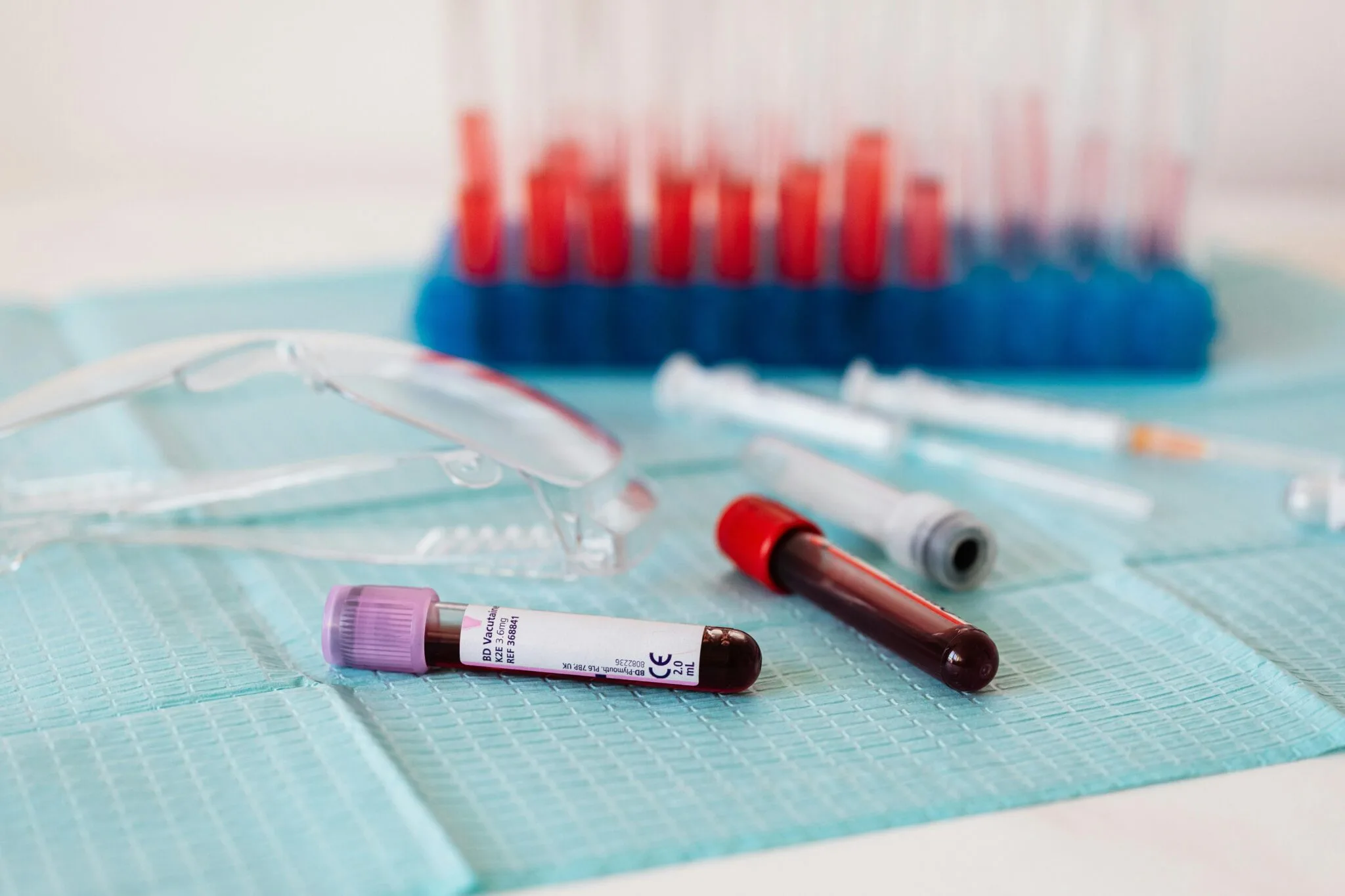
A Complete Blood Count is a standard blood test that measures the levels of your red blood cells, white blood cells, and platelets. While it’s a general health check, it provides valuable clues for lupus. Lupus can cause a decrease in these cell counts:
- Low Red Blood Cells can lead to anemia, causing fatigue.
- Low White Blood Cells can make you more susceptible to infections.
- Low Platelets can affect blood clotting.
Inflammatory Markers (ESR & CRP)
Erythrocyte Sedimentation Rate (ESR) and C-Reactive Protein (CRP) are tests that measure the level of general inflammation in your body. While they don’t point directly to lupus, elevated levels suggest that there is an active inflammatory process happening.
When combined with other positive results, high inflammatory markers help support an autoimmune diagnosis.
Understanding Your Test Results
Receiving your test results can feel overwhelming, but please remember that numbers on a page don’t tell the whole story. As your doctor at Mediway Medical, I consider every piece of the puzzle: your blood test results, your specific symptoms, your personal medical history, and a physical examination.
Whether you’re dealing with lupus, rheumatoid arthritis, nephritis, or another autoimmune disorder, we are here to guide you.
- What a ‘Positive’ Result Means: A positive result on specific tests like Anti-dsDNA strongly suggests lupus or related autoimmune disorders, but it requires careful interpretation. We will discuss what this means in the context of your overall health, including whether it may indicate a potential flare.
- What a ‘Negative’ Result Means: A negative result, especially for ANA, makes lupus much less likely. However, if your symptoms persist, such as those seen in conditions like rheumatoid arthritis or lupus nephritis, we may need to explore other possibilities or conduct follow-up tests.
The most important step is to discuss your results with a healthcare professional. I encourage you to be an active participant in this conversation. Ask questions, share your concerns, and make sure you understand the diagnosis and the proposed management plan.
Types of Lupus
Lupus is a complex autoimmune condition with different types, each with unique characteristics. Understanding these differences is key to accurate diagnosis and effective management.

Systemic Lupus Erythematosus (SLE)
The most common type, SLE can affect multiple organs, including the skin, joints, kidneys, and nervous system. Symptoms vary widely, making diagnosis challenging, but early treatment is crucial.
Cutaneous Lupus Erythematosus
This type primarily affects the skin, causing rashes, lesions, or sensitivity to sunlight. Subtypes include discoid lupus, which can cause scarring, and subacute cutaneous lupus, known for red, scaly patches.
Drug-Induced Lupus
Caused by certain medications, this form mimics systemic lupus symptoms but typically resolves after stopping the medication.
Neonatal Lupus
A rare form in newborns, caused by autoantibodies passed from the mother during pregnancy. Symptoms may include a skin rash, liver issues, or a temporary heart condition, often resolving over time.
Each type of lupus requires tailored care. Consult your healthcare provider for diagnosis and treatment.
Taking Control of Your Health Journey
Facing the possibility of a chronic condition like lupus can be worrying, but knowledge is your greatest asset. Early screening is the first and most crucial step toward managing the condition effectively and living a full, healthy life. We’ve talked about the importance of early detection, the key blood tests involved, and why a doctor’s interpretation is essential.
If you are experiencing persistent symptoms that concern you, please don’t ignore them. Speaking with a doctor is the best way to get clarity and find a path forward. At Mediway Medical, we are committed to providing compassionate guidance and comprehensive health screening, adhering to our motto, “Where Your Health Matters.”
If you have any questions or would like to share your experience, please feel free to leave a comment below. Your journey is important, and support is always here for you.
Related Reading
Explore our blood test services.