
Copper Blood Test: Detecting Wilson’s Disease and More
 Medically reviewed by Dr. Qiao Yufei, MD · MBBS · Last reviewed 6 July 2026
7 min read
Medically reviewed by Dr. Qiao Yufei, MD · MBBS · Last reviewed 6 July 2026
7 min read
Did you know that a simple blood test could reveal whether copper levels in your body are silently affecting your health? Copper is an essential trace mineral, but too much or too little of it can lead to serious health issues.
For the full context on lab work in screening, read guide to blood tests in screening.
The copper blood test is a powerful diagnostic tool that helps detect conditions like Wilson’s Disease-a rare genetic disorder where copper builds up in the liver, brain, and other vital organs. It can also identify other copper-related imbalances that may impact your energy levels, immune system, and overall well-being.
Despite its importance, many Singaporeans remain unaware of how crucial monitoring copper levels can be for their health. Take charge of your health today by learning more about this simple yet impactful test.
Understanding Copper Deficiency and Toxicity
Copper deficiency is more common than you might think, particularly among my patients who take zinc supplements or have digestive disorders. The symptoms often develop gradually, making them easy to overlook initially.
Fatigue and weakness are usually the first signs I notice during consultations. Patients often describe feeling tired despite getting adequate sleep. This happens because copper is essential for energy production at the cellular level.
Anemia and blood disorders frequently accompany copper deficiency. I’ve seen patients undergo multiple iron studies, only to discover that their anemia stemmed from inadequate copper levels. Copper helps your body absorb and use iron effectively, so deficiency creates a domino effect.
Bone and joint problems may also develop over time. Copper supports collagen formation, which keeps your bones and joints healthy. Patients sometimes experience unexplained joint pain or increased fracture risk.
Neurological symptoms can be particularly concerning. These might include numbness, tingling, or coordination problems. In severe cases, I’ve observed memory issues and difficulty concentrating.
Copper Toxicity Warning Signs
While deficiency is problematic, copper toxicity poses equally serious health risks. This condition is less common but requires immediate attention when it occurs.
Nausea and digestive issues are typically the first symptoms patients report. Excessive copper can irritate your digestive system, causing stomach pain, vomiting, and diarrhea.
Liver problems develop because your liver processes and stores copper. When overwhelmed, liver function deteriorates, potentially leading to serious complications like Wilson’s disease.
Mental health changes can be subtle but significant. Patients may experience mood swings, depression, or anxiety. These symptoms often prompt psychiatric evaluation before anyone considers copper levels.
You should be concerned if you experience multiple symptoms simultaneously, especially if you have a family history of Wilson’s disease or work in industries with copper exposure.
Who Should Get a Copper Blood Test?
Through my practice, I’ve identified several groups who particularly benefit from copper testing.

Individuals with unexplained anemia should definitely consider this test. When standard iron studies come back normal but anemia persists, copper deficiency could be the culprit. I’ve helped numerous patients resolve their anemia by addressing copper imbalances.
People with gastrointestinal disorders are at higher risk for copper deficiency. Conditions like Crohn’s disease, celiac disease, or chronic diarrhea can impair copper absorption. If you have digestive issues and experience fatigue or weakness, copper testing makes sense.
Those taking zinc supplements long-term need monitoring because zinc and copper compete for absorption. High zinc intake can lead to copper deficiency over time. I always advise patients on zinc supplements to have their copper levels checked periodically.
Patients with liver disease require copper testing because the liver regulates copper balance. Elevated copper levels can indicate liver dysfunction or Wilson’s disease, a genetic condition that prevents proper copper elimination.
Work permit medical examination requirements in Singapore sometimes include copper testing, depending on your occupation and country of origin. If you work in industries involving metal exposure or come from regions where Wilson’s disease is more prevalent, testing may be mandatory.
The Copper Blood Test Procedure In Health Screening
At Mediway Medical Clinic, we’ve streamlined the copper testing process to minimize your inconvenience while ensuring accuracy.
Blood draw procedure involves collecting a small blood sample from a vein in your arm. Our experienced phlebotomists use sterile techniques and make the process as comfortable as possible. Most patients describe it as a quick pinch.
Sample handling and analysis require special attention because copper contamination can affect results. We use trace element tubes and follow strict protocols to maintain sample integrity. Your blood sample goes to our partner laboratory for analysis using advanced techniques.
Typical wait times for results, the turnaround time usually depends on how comprehensive your fertility tests are.
Understanding Your Laboratory Test Results
Interpreting copper blood test results requires understanding the normal ranges and what deviations might mean.

Normal copper level ranges for adults typically fall between 70-140 micrograms per deciliter (μg/dL). However, these ranges can vary slightly between laboratories, so I always interpret results in context of your symptoms and medical history.
What high levels indicate depends on how elevated they are. Mildly high levels might suggest inflammation or infection, as copper is an acute phase reactant. Significantly elevated levels could indicate Wilson’s disease, liver disease, or copper toxicity from environmental or occupational exposure.
What low levels mean usually points to copper deficiency, which can result from inadequate dietary intake, malabsorption, or excessive zinc supplementation. Low levels combined with anemia strongly suggest copper deficiency as the underlying cause.
When to consult a doctor should be whenever your results fall outside the normal range. Even if you feel fine, abnormal copper levels can indicate underlying health issues that need attention. I always recommend follow-up testing and evaluation for any abnormal results.
Where to Get Tested in Singapore?
At Mediway Medical Clinic, we provide comprehensive copper blood testing as part of our commitment to your health. Our motto “Where Your Health Matters” reflects our dedication to thorough, accurate testing.
Professional copper blood testing uses modern equipment and follows international quality standards. We maintain strict protocols to prevent contamination and ensure reliable results you can trust.
Comprehensive health screening packages often include copper testing along with other essential minerals and vitamins. This approach gives us a complete picture of your nutritional status and helps identify multiple deficiencies simultaneously.
Experienced medical team includes myself and other qualified healthcare professionals who understand the complexities of mineral testing. We’re here to guide you through the process and explain your results in terms you can understand.
Convenient location and scheduling make it easy to prioritize your health. We keep wait times minimal and offer flexible appointment scheduling to accommodate your busy lifestyle.
What Makes Quality Testing
When choosing where to get tested, several factors distinguish quality providers from the rest.
Accurate laboratory standards ensure your results are reliable and meaningful. We partner with accredited laboratories that specialize in trace element analysis and maintain strict quality control measures.
Quick turnaround times mean you won’t wait weeks for answers. We understand that abnormal symptoms can be concerning, so we prioritize fast, accurate reporting while maintaining quality standards.
Professional result interpretation sets us apart from labs that simply provide numbers without context. I personally review results and provide clear explanations of what they mean for your health and any necessary next steps.
Taking Action After Your Test
Getting your results is just the beginning of optimizing your copper status and overall health.
Follow-up care recommendations depend on your specific results and symptoms. If your levels are abnormal, I’ll create a personalized plan that might include dietary changes, supplements, or further testing to identify underlying causes.
Dietary adjustments for copper balance can be highly effective for mild imbalances. Copper-rich foods include organ meats, shellfish, nuts, seeds, and dark chocolate. For those with excess copper, I recommend limiting these foods and focusing on zinc-rich options that can help balance copper absorption.
Treatment options for imbalances vary based on severity and underlying causes. Copper deficiency usually responds well to supplementation, while copper toxicity might require chelation therapy or treatment of underlying conditions like Wilson’s disease.
Monitoring and retesting schedules ensure your treatment is working effectively. I typically recommend retesting every 3-6 months until levels normalize, then annually for maintenance monitoring.
Protecting Your Health Through Proactive Testing
Copper blood testing represents an important tool in maintaining optimal health, particularly for those experiencing unexplained symptoms or at higher risk for mineral imbalances. Through my years of practice at Mediway Medical Clinic, I’ve witnessed how identifying and correcting copper imbalances can dramatically improve patients’ quality of life.
Regular health screenings empower you to take control of your well-being before minor issues become major health problems. Copper testing is particularly valuable because symptoms often develop slowly and can mimic other conditions, making early detection crucial.
Early attention to symptoms can help avoid more complicated treatment later. If you’re experiencing unexplained fatigue, anemia, or neurological symptoms, or if you fall into any of the higher-risk categories I’ve discussed, consider scheduling a copper blood test today.
Ready to take charge of your health? Contact Mediway Medical Clinic to schedule your copper blood test. Our experienced team is here to support your health journey with professional, compassionate care that puts your well-being first.
Related Reading
Explore our blood test services.
Frequently Asked Questions
01 What are the symptoms of abnormal copper levels?
Symptoms of copper deficiency include fatigue, weakness, anemia, and neurological issues, while copper toxicity may cause nausea, abdominal pain, liver damage, or neurological symptoms.
02 How is the copper blood test performed?
The test involves drawing a small blood sample from a vein, usually in your arm, which is then analyzed in a lab for copper levels.
03 What conditions can a copper blood test help diagnose?
The test can help diagnose Wilson's disease (a genetic disorder causing copper buildup), Menkes disease (a rare genetic disorder causing copper deficiency), and other conditions related to abnormal copper metabolism.






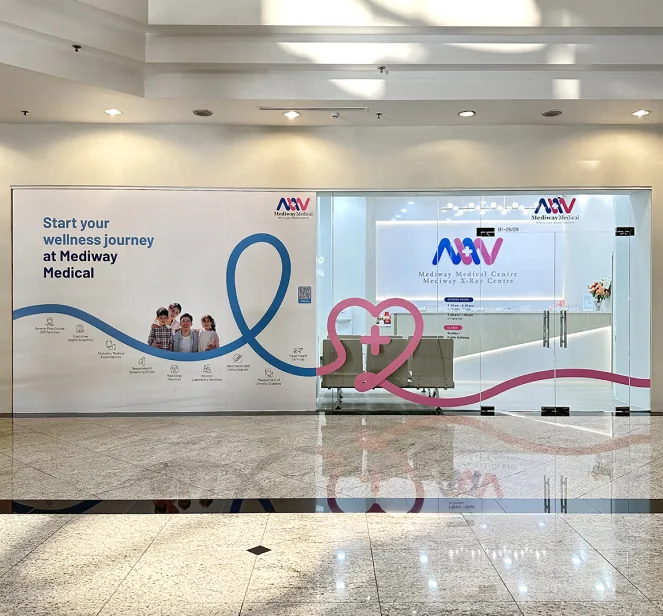

Why Choose Us
Choose Mediway Medical for reliable and efficient medical examinations, with on-site facilities, streamlined processes, and clear reporting timelines.
One-Stop Medical Centre
We provide comprehensive services in a single visit, including on-site chest X-ray and required medical tests.
Patient-Centred Experience
Our dedicated healthcare team focuses on providing clear guidance, professional care, and a comfortable clinic experience.
Minimum Waiting Time
We prioritise efficient workflows to keep waiting times short while maintaining accuracy and care quality.
Fast Turnaround Time
Medical reports are ready by the next working day, with same-day reporting available for selected cases.
Book Your Visit
Walk-ins welcome up to 30 minutes before closing.
Directions
Located in central Singapore, just a 2-minute walk from Clarke Quay MRT.
Mon–Fri before 5/6pm: $2.00 for 1st hr, $1.00 for next subsequent 30min from 7am to 5pm
Mon–Fri after 5/6pm: $3.21/entry from 5pm to 7am the following day
Sat: $2.00 for 1st hr, $1.00 for next subsequent 30min from 7am to 5pm, $3.21/entry from 5pm to 7am the following day
Sun/PH: $3.21/entry from 7am to 7am the following day
Exit E. 2-minute walk along the river towards The Riverwalk building. We are at #B1-26/29.