

Singapore is a global hub for talent, with a workforce blending local and international skills. For many businesses, hiring foreign professionals isn’t just an option – it’s essential for smooth operations and growth.
For the end-to-end overview, see our Work Permit application guide.
However, navigating Ministry of Manpower (MOM) regulations can be tricky. One common area of confusion for employers and candidates during pre-employment checks is the difference between the S Pass and the Work Permit. If you’re arranging a S Pass medical check-up, understanding which pass applies to your employee is an important first step.
While both allow foreigners to work in Singapore, they cater to different skill sets, salary ranges, and industries. Choosing the wrong one can lead to rejected applications, wasted time, and compliance issues.
This guide breaks down the key differences simply, helping you choose the right pass for your needs and make informed decisions for your career or company.
At a Glance: Comparison Table
Before we dive deep into the specific criteria, it helps to see the big picture. Think of this table as a quick “vital signs” check for the two passes.

| Feature | S Pass | Work Permit |
|---|---|---|
| Target Audience | Mid-skilled technical staff & specialists (e.g., technicians, junior executives) | Semi-skilled or unskilled workers (e.g., construction, marine, manufacturing) |
| Minimum Salary | Tiered by age; higher threshold for Financial Services* | No minimum salary (Subject to market rates) |
| Qualifications | Degree, Diploma, or Technical Certificates required | No formal requirement (varies by sector/skill level) |
| Nationality | Open to all nationalities | Restricted to specific source countries (e.g., Malaysia, PRC, NTS) |
| Quota (DRC) | Tighter quota (Subject to sector cap) | Larger quota (Sector dependent) |
| Levy | Standardized monthly levy (Tiered) | Tiered levy based on skill level (R1 vs R2) |
| Family Privileges | Eligible for Dependant’s Pass above a salary threshold* | Not eligible for family passes |
| path to PR | Yes, eligible to apply | generally not eligible |
*Note: Salary thresholds are subject to change by MOM. Always check the latest figures.
Deep Dive: The S Pass (For Mid-Skilled Professionals)
The S Pass is designed for mid-level skilled staff. When we see patients coming in for S Pass medical examinations, they are often technicians, culinary specialists, or junior management staff who have specialised skills but perhaps haven’t reached the executive level of an Employment Pass (EP) holder yet.

Who is it for?
This pass targets the “sandwich” class of the workforce. It bridges the gap between the Work Permit and the Employment Pass. It’s ideal for roles that require a certain level of technical expertise or specialised education.
Eligibility Criteria (Current & Upcoming)
1. Minimum Salary Threshold
This is the most critical factor. MOM sets a minimum fixed monthly salary threshold, with a higher bar for the Financial Services sector. The threshold also scales progressively with age – an experienced applicant in their mid-thirties will need to command a higher salary than a recent graduate. The rationale is straightforward: experienced candidates should be earning higher market rates.
For the current figures, visit MOM’s S Pass page directly, as thresholds are updated regularly.
2. Qualifications
MOM looks for evidence of competency. Typically, this means a degree or a diploma. However, specialised technical certificates – such as those for specialised nursing or engineering – can also be considered if the course duration was at least one year of full-time study.
3. Quota & Levies
Unlike the Employment Pass, the S Pass is subject to a quota, known as the Dependency Ratio Ceiling (DRC).
- Services Sector: Capped at 10% of your total workforce.
- Manufacturing/Construction/Process/Marine: Capped at 15% (varies slightly by sub-sector).
Employers must also pay a monthly foreign worker levy, which increases if you hire closer to your maximum quota limit. Check MOM’s levy rates for current figures.
Family Benefits
One significant advantage of the S Pass is the potential for family integration. S Pass holders who meet MOM’s salary threshold for a Dependant’s Pass are eligible to apply for their legally married spouse and unmarried children under 21. See MOM’s Dependant’s Pass page for the current qualifying salary.
This makes the S Pass a more attractive option for mid-career professionals looking to relocate their lives – not just their jobs – to Singapore.
Deep Dive: The Work Permit (For Semi-Skilled Workers)
The Work Permit medical check-up serves a very different segment of the workforce. The Work Permit itself is the backbone of Singapore’s infrastructure and service industries – covering the hard work that goes into building HDB developments, maintaining shipyards, and keeping hospitality and cleaning sectors running.
Who is it for?
This category is for semi-skilled or unskilled workers across specific sectors: Construction, Manufacturing, Marine Shipyard, Process, or Services (such as hospitality and cleaning).
Eligibility Criteria
1. Source Countries
Unlike the S Pass, which is open to all nationalities, the Work Permit has strict nationality restrictions based on the sector.
- Services/Manufacturing: Generally restricted to Malaysia, People’s Republic of China (PRC), and North Asian Sources (NAS) such as Hong Kong, Macau, South Korea, and Taiwan.
- Construction/Marine: Can also hire from Non-Traditional Sources (NTS) such as India, Sri Lanka, Thailand, Bangladesh, the Philippines, and Myanmar.
2. No Minimum Salary
There is no government-mandated minimum qualifying salary for Work Permits. Wages are determined by market forces and mutual agreement between the employer and the worker. However, employers must pay the Local Qualifying Salary (LQS) to their local staff to generate the Work Permit quota. Check MOM’s LQS page for the current rate.
3. Quota & Levies
The DRC for Work Permits is more generous than the S Pass, reflecting the labour-intensive nature of these industries. The levy system is tiered based on the worker’s skill level:
- R1 (Higher Skilled): Lower levy. Employers are encouraged to upgrade their workers’ skills to R1 status, which reduces the monthly cost.
- R2 (Basic Skilled): Higher levy.
4. Restrictions
- Family: Work Permit holders cannot bring family members to Singapore.
- Marriage: They generally need MOM approval to marry a Singapore citizen or PR.
- Medical & Security: Employers are required to purchase medical insurance and provide a security bond for non-Malaysian workers. Visit mom.gov.sg for current coverage requirements.
Key Differences You Need to Know
Beyond salary and quotas, there are a few strategic differences that affect long-term planning for both businesses and individuals.

Path to Permanent Residency (PR)
This is a significant differentiator.
- S Pass: Considered a potential pathway to Singapore Permanent Residency. MOM assesses PR applications based on the applicant’s commitment to Singapore, economic contributions, and family ties.
- Work Permit: Generally, Work Permit holders are not eligible to apply for PR. It is viewed as a transient workforce pass.
Job Flexibility and Mobility
The S Pass offers greater flexibility regarding the worker’s nationality. If you find a specialised technician from outside the approved Work Permit source countries, you can hire them on an S Pass provided they meet the criteria – something not possible on a Work Permit.
The Changing Regulatory Landscape
MOM regularly updates these policies to ensure fair employment practices for locals. The Local Qualifying Salary (LQS) is a key example – a Singaporean or PR employee must be paid at least the current LQS to count towards your foreign worker quota. This prevents companies from hiring locals on token salaries purely to unlock quota allowances.
Managing Your Workforce Health in Singapore
Whether you are arranging an S Pass or Work Permit application, there is one common denominator: the medical examination.
MOM requires foreign workers to undergo a medical screening upon arrival – and typically every six months thereafter for Work Permit holders, or upon renewal. This screening ensures the worker is fit for duty and free from infectious diseases such as Tuberculosis and HIV.
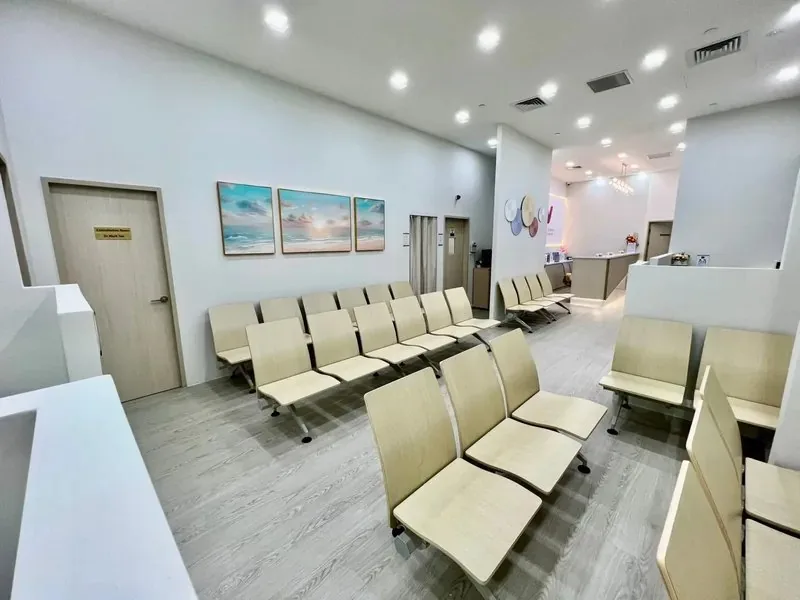
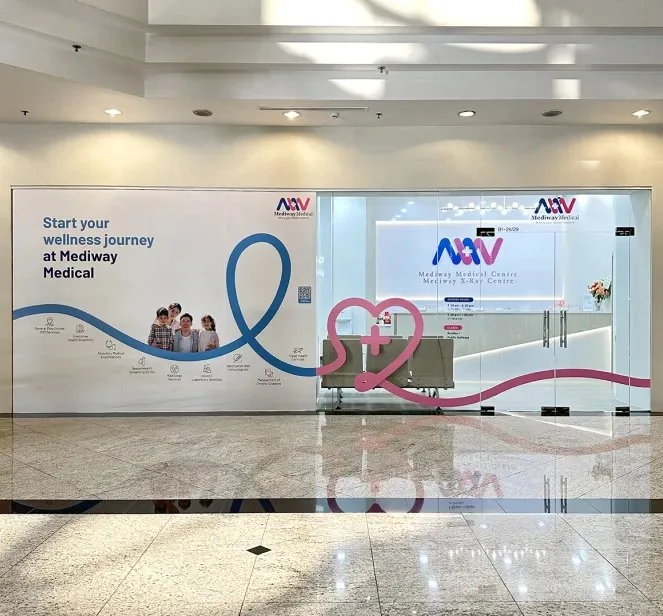
At Mediway Medical Centre, we carry out these statutory medical examinations efficiently so your staff can get their check-up done and start work or renew their pass without delay. We prioritise keeping wait times short and making the experience comfortable for your employees. Our clinic is located near Clarke Quay MRT (Exit E), making it straightforward to access from most parts of Singapore.
For current pricing and to arrange a check-up, visit our S Pass medical check-up page.
Conclusion
Choosing between an S Pass and a Work Permit isn’t just about filling in a form – it’s about strategic workforce planning. The S Pass brings in mid-level talent with a potential future in Singapore, while the Work Permit powers the essential, labour-intensive sectors that keep our city growing.
Getting the pass category right from the start saves you money on levies, ensures you stay compliant with MOM quotas, and helps you attract the right kind of talent for the job.
Related Reading
- S Pass Eligibility Criteria 2026
- S Pass vs Employment Pass Singapore
- Work Permit Documents Singapore 2026
Explore our Work Permit medical exam.