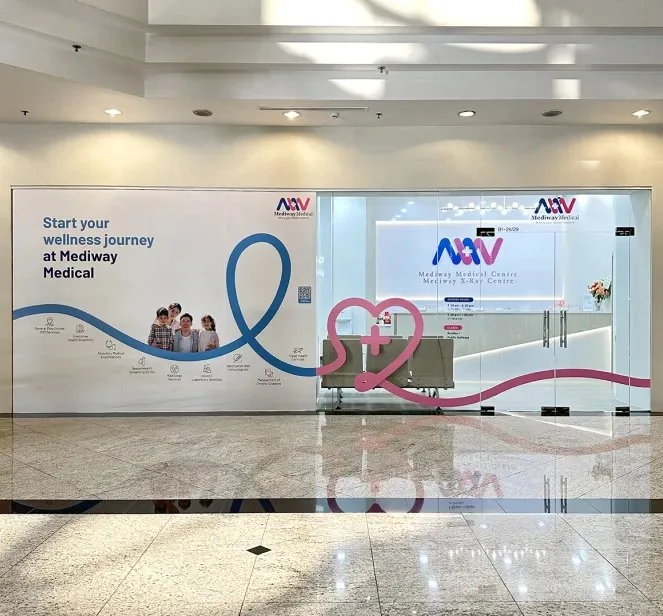


Health screenings are a proactive way to protect your well-being. These simple check-ups can detect early signs of conditions like diabetes, cancer, high blood pressure, heart disease, and breast cancer-often before symptoms appear. Early detection improves outcomes and helps you take preventive action for a healthier life, especially as you approach age 50 when risks for conditions like prostate cancer and heart disease increase.
At Mediway Medical, we make health screenings simple and hassle-free. Whether it’s for personal health or required for work pass applications and renewals in Singapore, we’re here to support you every step of the way.
This checklist will guide you through what to do before and after your health screening, ensuring the process is smooth and effective with Mediway Medical.
Why This Screening Test Checklist Is Important?

The idea of a health screening can feel overwhelming, especially if you’re unsure how to prepare. Missing crucial preparation steps or failing to follow up on your results can diminish the value of the screening altogether.
By following this checklist, you’ll not only get accurate test results but also take full advantage of the insights gained to better manage your health. Think of this as your roadmap to making health screenings easier and more effective.
Why Preparation Matters Before Health Screening Tests?
Preparation ensures accurate results, reduces errors, and helps identify health issues effectively. Following guidelines or medication adjustments optimizes test outcomes, aiding early diagnosis and better treatment planning.

Health screenings are an essential way to screen for life-threatening health conditions, and consulting your general practitioner can ensure you’re on the right track.
By following this checklist, you’ll not only get accurate test results but also take full advantage of the insights gained to better manage your health. Think of this as your roadmap to making health screenings easier and more effective.
Common Health Screening Types and Requirements
Health screenings vary depending on your needs, but some common categories include:
- Full-Body Screenings: Covers overall health including cholesterol levels, BMI, and blood pressure.
- Workplace-Related Checks: This includes medical assessments required for Singapore work pass and permit applications.
- STD, HIV, and HPV Tests: Often overlooked but vital for maintaining sexual health.
- Specialized Screenings: For example, mammograms, colonoscopies, or prostate exams for those of specific ages or medical histories.
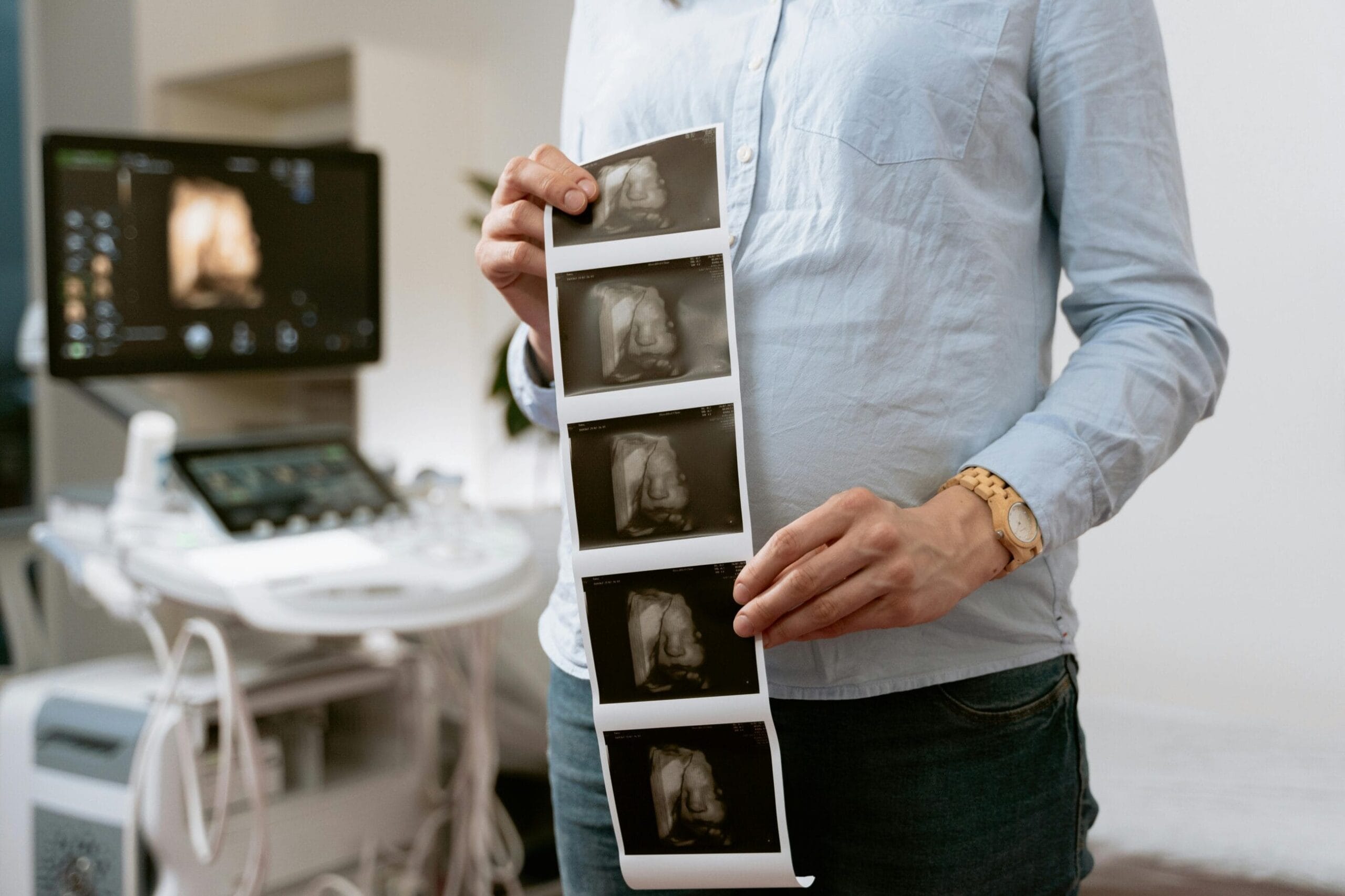
Pregnant women may require different screening options tailored to their specific needs. Each of these screenings has its own procedure, so preparation requirements will vary. Ensuring a smooth screening experience depends on understanding what’s needed for your chosen screening options.
Pre-Screening Essentials

Prior to any medical screening, understanding the necessary steps and preparations ensures a smoother process while providing accurate results for effective health management.
- Medication Adjustments
- If you’re on medication, ask your doctor if you need to pause or adjust your dose before the test, as some drugs can affect results.
- Avoid Certain Substances
- Avoid alcohol, caffeine, and strenuous exercise for at least 24 hours before your screening, as they may impact certain tests.
- Prepare Documents
- For workplace screenings in Singapore, bring required forms, ID, and any requested medical history. For women’s health screenings, confirm if additional documents or information about your health history are needed.
- Mental Readiness
- Health screenings can cause anxiety, especially for invasive tests like x-rays or colonoscopies. Acknowledge your nerves, practice deep breathing, and remind yourself that screenings support better health. Knowing when to start at age-appropriate milestones can also help make the process less overwhelming.
The Various Types of Screenings Explained
No two people have the same health needs. Below are the types of screenings and what you need to know about each.
General Health Screenings
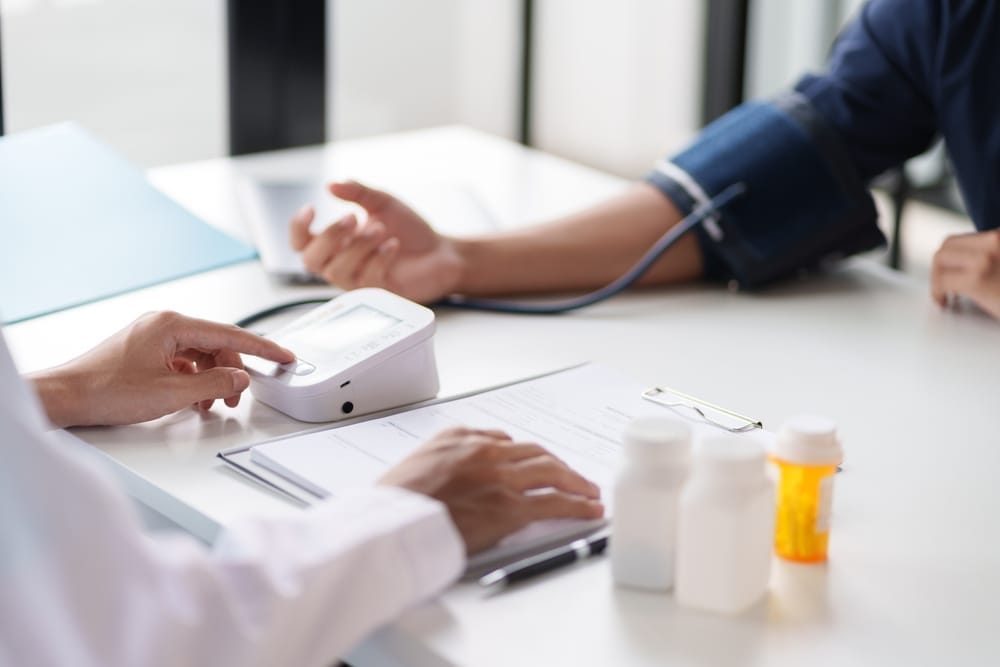
These cover the basics of your well-being with tests for:
- Blood pressure
- Cholesterol
- Blood sugar levels (screening for diabetes)
- BMI and body composition
A solid starting point for anyone, especially adults over age 40 who may be at higher risk of chronic conditions.
Workplace Screenings
Specific to Singapore, such screenings often involve vision checks, x-rays, and basic full-body health assessments depending on the nature of the job. These basic health screenings are essential for obtaining and renewing work pass permits.
Sexual Health Screenings
Sexually Transmitted Diseases (STDs), including HIV and HPV, can go unnoticed without regular health screenings. Testing is crucial for protecting yourself and your partners. For women aged 30 and above, HPV testing is especially recommended to prevent cervical cancer.
Specialized Screenings
- Mammograms for breast cancer screening in women aged 40 and above.
- Colonoscopy for individuals over the age of 50 to detect colorectal cancers.
- Pap smears for cervical cancer and prostate exams for men of similar age ranges. These regular health screenings are vital for catching issues tied to age and family medical history.
Mediway Medical Your Health Screening Clinic In Singapore
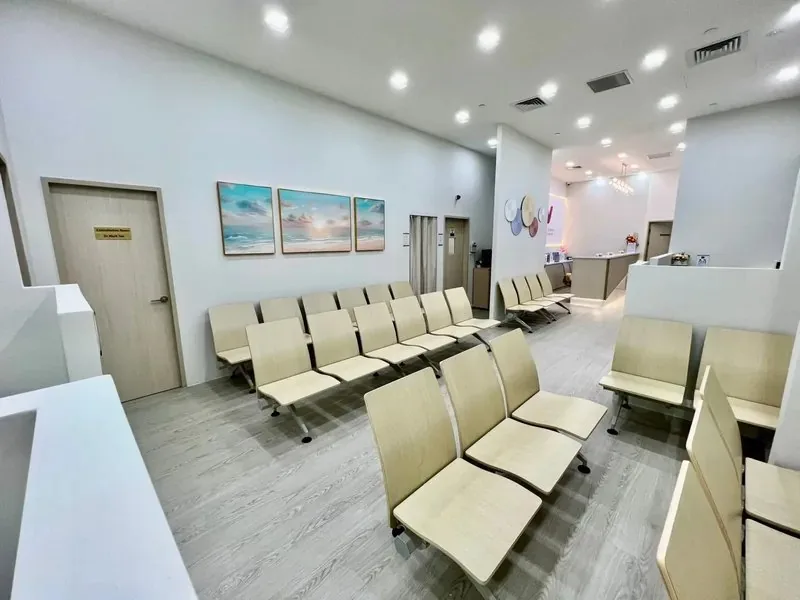
At Mediway Medical, we’re dedicated to providing comprehensive and efficient health screening services tailored to your needs. Using modern diagnostic technology and a patient-focused approach, we ensure accurate results and personalized care.
Our professional team is committed to early detection and prevention, empowering you to take charge of your health with confidence.
Health Screening Packages Available
- Clinical Assessment: A comprehensive evaluation of physical and medical history to identify health issues, assess symptoms, and plan personalized care.
- Radiology Test: Imaging tests like X-rays to diagnose or monitor medical conditions.
- Cardio Risk Factors: Screening for factors like cholesterol, blood pressure, and lifestyle habits to assess the likelihood of heart disease.
- Diabetes Screen: Blood tests to detect elevated glucose levels, helping diagnose or monitor diabetes and prediabetes.
- Kidney Health: Tests to evaluate kidney function, including urine and blood tests, ensuring proper waste filtration and organ health.
- Urine Analysis: Examination of urine to detect infections, kidney issues, or metabolic disorders.
- Liver Health: Blood tests to check liver enzyme levels, aiding in identifying liver damage or disease.
- Bone & Joint Health: Assessments like X-rays or blood tests to detect osteoporosis, arthritis, or other bone-related conditions.
- Auto-immune Screen: Tests to identify disorders where the immune system attacks the body, like lupus or rheumatoid arthritis.
- Thyroid Health: Blood tests measuring thyroid hormone levels to detect conditions affecting metabolism, like hypothyroidism or hyperthyroidism.
- Hematology: Blood tests to analyze components like red and white cells, diagnosing anemia, infections, or clotting issues.
- Colon Cancer Screen: Tests like stool analysis or colonoscopy to detect early signs of colon cancer.
- Cancer Markers: Blood tests identifying specific proteins that may indicate the presence of certain cancers.
- Nutritional Health & Iron Studies: Tests to assess nutrient levels and iron, ensuring proper diet and preventing deficiencies like anemia.
- STD Screen: Tests for sexually transmitted diseases, ensuring early detection and treatment.
- Pre-marital: Comprehensive health screening for couples to ensure compatibility and identify potential hereditary or infectious diseases.
Actions to Take After Your Health Screening
You’ve got your report, but now what? Begin by carefully reviewing the findings and looking for any indicators that fall outside normal ranges. If you’re unsure how to interpret your results, consulting a healthcare professional is key.

Taking Follow-Up Steps
If your screening uncovers concerning findings-such as elevated cholesterol levels or abnormal x-rays-follow up promptly. Delaying further testing or treatment may lead to more serious complications.
Lifestyle Adjustments
Your screening offers a roadmap for health improvements. For example:
- Elevated cholesterol? Switch to heart-healthy fats and reduce fried foods.
- Low bone density? Incorporate weight-bearing exercises and increase calcium intake.
- Pre-diabetic? Focus on blood sugar management through better eating and exercise habits.
Use the insights to make dedicated changes to your diet, activity levels, and stress management methods.
Tips for Staying Healthy After Your Screening
Preventive health is an ongoing process. Depending on your age and risk factors, schedule follow-up health screenings annually or biennially. Staying consistent ensures continuous health tracking.
Commit to Healthy Habits
It’s not about strict dieting or intense exercise regimes. Instead, adopt sustainable habits like balanced eating, daily movement, and 7–8 hours of quality sleep.
Build a Trusting Relationship with Your Doctor
Consider your healthcare provider your partner in health. Regular consultations strengthen communication and make addressing concerns more efficient.
Take Charge of Your Health Today
Health screenings are an incredible tool for early detection, prevention, and peace of mind. Whether you’re getting a routine blood test, a specialized x-ray, or a cervical cancer screening, remember that every step you take is an act of care for yourself. Regular check-ups can help identify issues like obesity or high cholesterol early, empowering you to take control of your health.
Have questions or need help scheduling your next health screening appointment? Reach out to Mediway Medical or leave a comment to join our community of health-conscious readers. Together, we can prioritize well-being, one screening at a time.
Related Reading
- Adult Health Screening Singapore
- Preventive Health Check-Up Singapore
- Health Screening for Expats in Singapore
Explore our health screening packages.