
SGOT (AST) Blood Test In Singapore: What High or Low Results Mean for Your Liver Function?
 Medically reviewed by Dr. Qiao Yufei, MD · MBBS · Last reviewed 22 August 2026
5 min read
Medically reviewed by Dr. Qiao Yufei, MD · MBBS · Last reviewed 22 August 2026
5 min read
Your liver works hard to keep your body healthy, but how can you know if it’s functioning as it should? The SGOT (AST) blood test is a powerful tool in liver health screenings, measuring a vital enzyme to help uncover potential issues early.
For the full context on lab work in screening, read guide to blood tests in screening.
Whether your results come back high, low, or normal, understanding what they mean is the first step toward proactive care.
This article explores the significance of SGOT (AST) levels, their role in liver function, and why regular testing in Singapore can make all the difference in maintaining your health.
What Is the SGOT AST Test?
The SGOT (serum glutamic-oxaloacetic transaminase), also known as AST (aspartate aminotransferase), is an enzyme primarily found in your liver, heart, muscles, and other tissues. The SGOT test measures the levels of this enzyme in your bloodstream, offering valuable insights into your liver’s health and overall body function.
The SGOT test is routine in comprehensive health screenings and particularly vital for monitoring liver health. Since your liver plays a key role in detoxifying your body, producing essential proteins like albumin, and managing energy, abnormal SGOT results can often point to underlying liver conditions or other health issues.
Knowing your SGOT levels through regular testing can highlight potential concerns early, prompting timely intervention and treatment.
Understanding SGOT Levels What High or Low Results Mean
Once your results are in, they’ll fall into one of three categories: high, low, or normal. Here’s how to interpret them.

High SGOT Levels: Causes and Implications
Elevated SGOT levels can signal damage or inflammation in the liver, heart, or muscles. Common causes include:
- Liver Conditions like hepatitis, fatty liver, or cirrhosis, often alongside elevated GGT or bilirubin levels. These conditions may require further investigation with a liver function test or ultrasound liver to assess the extent of damage.
- Alcohol Misuse Excessive drinking can damage the liver, raising SGOT and GGT levels.
- Medications Some drugs, including pain relievers, can increase SGOT.
- Heart Issues High SGOT may indicate heart conditions like a recent heart attack.
- Muscle Damage Injuries or disorders can also raise levels.
In some cases, SGOT is evaluated with AFP (alpha-fetoprotein) and a liver profile for better insight into liver health. While elevated SGOT doesn’t always mean a serious issue, consult a healthcare professional to identify the cause and rule out conditions like liver cancer.
Low SGOT Levels: What They Mean
Low SGOT levels are less common but can indicate:
- Vitamin B6 Deficiency needed for enzyme production.
- Liver Malfunction resulting in reduced enzyme production.
Normal SGOT Range
The normal SGOT range is generally between 8 and 45 units per liter of serum of blood but may vary slightly by lab. If your levels are within this range and you’re symptom-free, it’s a good sign your liver and tissues are healthy. Regular monitoring with a liver function test or liver profile can help ensure long-term liver health.
How the SGOT Test Works?
Understanding the process behind the SGOT test can make it less daunting. Here’s what to expect.

Blood Collection
A small blood sample is drawn from a vein, usually your arm, in a quick, routine procedure. The sample is then analyzed in a lab.
What the Levels Indicate About Liver Health
Since SGOT is released into the blood when liver cells are damaged, unusual levels are often linked to liver issues. However, SGOT alone isn’t the full picture. Often paired with other tests like ALT (alanine aminotransferase) and bilirubin, a clearer insight into liver function can be achieved.
The Role of SGOT in Liver Function Health
The liver is one of the hardest-working organs in your body. It filters toxins, processes fats, and regulates vital nutrients like glucose. SGOT levels are closely tied to your liver’s health.
Common Liver Conditions Detected by Abnormal SGOT Levels
- Fatty Liver Disease affecting more people due to poor diets and lack of exercise.
- Hepatitis A, B, or C where inflammation significantly alters enzyme levels.
- Cirrhosis often caused by chronic alcohol use or viral infections, leading to high SGOT readings.
Monitoring SGOT levels regularly can help you detect and address these conditions early.
Where to Get an SGOT (AST) Test in Singapore
Mediway Medical offers SGOT (AST) testing as part of our liver function panel, included in our health screening packages. For current pricing and package inclusions, see our health screening packages.
For a broader look at how AST fits alongside ALT, GGT, and ALP, read our guide to liver enzyme tests.
Why is Regular Health Screening is Important?
Regular health testing is crucial for early detection of potential issues, monitoring overall well-being, and making informed decisions to maintain a healthier, longer life.
Early Detection of Health Issues
Regular testing allows for the early identification of potential health problems, enabling timely treatment or lifestyle adjustments before conditions worsen. Laboratory tests that detect elevated levels of substances like Total Bilirubin, which is produced by the liver, can greatly improve outcomes and overall well-being.
Monitoring Existing Conditions
For individuals managing chronic illnesses such as diabetes or hypertension, routine tests help track progress and effectiveness of treatments, ensuring that their condition remains under control. Laboratory tests are essential in monitoring changes in key health markers.
Preventive Health Care
Preventive screenings provide insight into risk factors for diseases, such as high cholesterol or liver enzyme irregularities like SGOT AST levels, which are produced by the liver. Addressing these risks early can prevent serious health issues from developing.
Peace of Mind
Consistent health checks provide a clear picture of your health status, reducing uncertainty and empowering you with the knowledge needed to make informed decisions about your care. Elevated levels of specific markers identified through laboratory tests can help highlight areas to address for better long-term health outcomes.
Taking Charge of Your Liver Health
Abnormal SGOT levels require action. But what else can you do to ensure optimal liver health?
Proactive Liver Health Management
- Maintain a balanced diet rich in fruits, vegetables, and whole grains while avoiding excessive alcohol and processed foods.
- Exercise consistently to reduce fat deposits around the liver.
- Avoid self-medicating, as some over-the-counter drugs can harm the liver.
Complementary Tests
SGOT results are just one piece of the puzzle. Complementary tests such as ALT, alkaline phosphatase (ALP), and bilirubin provide a comprehensive understanding of your liver function. Globulin and albumin levels also offer insights into overall health.
Empower Yourself with Knowledge
Being informed is the first step toward better health. Don’t hesitate to seek medical advice whenever your results deviate from the norm or symptoms arise.
Related Reading
Explore our blood test services.
Frequently Asked Questions
01 Why is the SGOT Test important?
It is used to diagnose liver conditions (e.g., hepatitis, cirrhosis), monitor chronic liver diseases, evaluate heart health, and investigate symptoms like jaundice, fatigue, or abdominal pain.
02 When should I consider an SGOT Test?
If you experience symptoms of liver damage (e.g., jaundice, dark urine, fatigue), have a family history of liver disease, consume alcohol excessively, or take medications that may affect liver health.
03 What do high SGOT levels indicate?
Elevated SGOT levels may suggest liver damage, heart conditions, muscle injury, or other issues like hepatitis, fatty liver, or alcohol-related liver damage.




Why Choose Us
Choose Mediway Medical for reliable and efficient medical examinations, with on-site facilities, streamlined processes, and clear reporting timelines.
One-Stop Medical Centre
We provide comprehensive services in a single visit, including on-site chest X-ray and required medical tests.
Patient-Centred Experience
Our dedicated healthcare team focuses on providing clear guidance, professional care, and a comfortable clinic experience.
Minimum Waiting Time
We prioritise efficient workflows to keep waiting times short while maintaining accuracy and care quality.
Fast Turnaround Time
Medical reports are ready by the next working day, with same-day reporting available for selected cases.
Book Your Visit
Walk-ins welcome up to 30 minutes before closing.
Directions
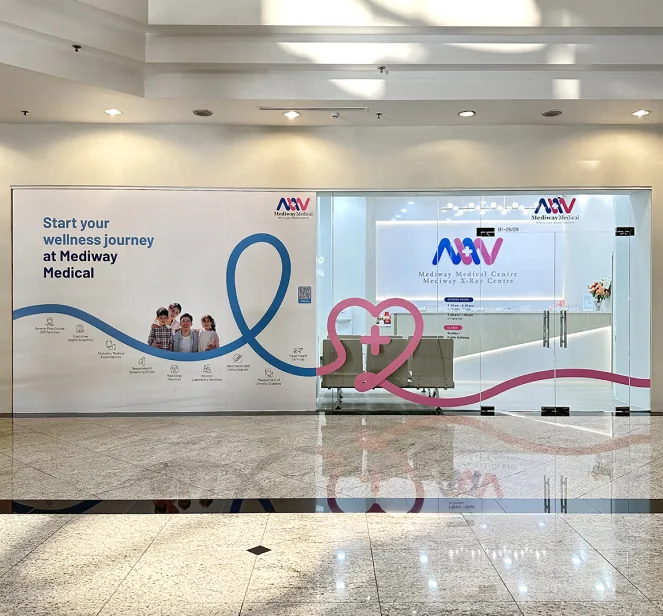
Located in central Singapore, just a 2-minute walk from Clarke Quay MRT.
Mon–Fri before 5/6pm: $2.00 for 1st hr, $1.00 for next subsequent 30min from 7am to 5pm
Mon–Fri after 5/6pm: $3.21/entry from 5pm to 7am the following day
Sat: $2.00 for 1st hr, $1.00 for next subsequent 30min from 7am to 5pm, $3.21/entry from 5pm to 7am the following day
Sun/PH: $3.21/entry from 7am to 7am the following day
Exit E. 2-minute walk along the river towards The Riverwalk building. We are at #B1-26/29.