
STD Warning Signs: How to Detect an Infection Early
 Medically reviewed by Dr. Qiao Yufei, MD · MBBS · Last reviewed 29 June 2026
6 min read
Medically reviewed by Dr. Qiao Yufei, MD · MBBS · Last reviewed 29 June 2026
6 min read
Spotting the early signs of an STD can make all the difference in protecting your health and well-being. Many sexually transmitted diseases begin with mild or subtle symptoms that can easily be overlooked. Whether it’s unusual discharge, itching, or flu-like symptoms, knowing what to watch for is crucial to catching an infection before it leads to bigger problems.
For a primer on the testing process, read how anonymous STD testing works.
This guide dives into the warning signs of common STDs, outlines the importance of early detection, and provides actionable steps to take if something feels off. By staying informed and proactive, you can safeguard your health, seek timely treatment, and ensure peace of mind. Let’s uncover the key signs together so you can confidently take charge of your sexual health.
Common STD Symptoms
Many STDs share similar symptoms, making them tricky to distinguish without professional testing. Some symptoms of sexually transmitted infections might manifest immediately, while others remain subtle or even painless. Here’s what to keep an eye on:

General Symptoms To Watch Out For
- Unusual Discharge: For men and women, changes in semen, vaginal fluids, or overall discharge consistency and color can be a red flag. These could be noticeable symptoms of infections like chlamydia and gonorrhea.
- Sores or Rashes: Painful or painless sores on or near the genitals, as well as unexplained rashes, could indicate an infection. Genital warts or herpes blisters are common examples.
- Pain During Sex or Urination: Discomfort or burning sensations during sex or urination might point to issues like gonorrhea or chlamydia.
- Pelvic Pain: Chronic or recurring pelvic pain could signal complications related to untreated STDs. Without treatment, these complications can worsen over time.
The Subtle Signs Often Overlooked
- Flu-like Symptoms: Fever, swollen lymph nodes, and fatigue may suggest early stages of human immunodeficiency virus (HIV) or syphilis.
- Unexplained Weight Loss: An often-overlooked symptom, dramatic weight loss could be linked to chronic infections such as HIV.
- Abnormal Bleeding: Women may notice spotting between periods or after sex, which can be tied to infections causing inflammation.
- Itching or Irritation: Intense itching around the genitals might point to parasitic infections like trichomoniasis.
If you recognize any of these signs, it’s crucial to get treatment promptly. Many STDs can progress without treatment, leading to severe health issues.
Unique Symptoms for Specific STDs
The symptoms of STDs (also referred to as STIs by the Centers for Disease Control and Prevention) can differ based on the type of infection. It’s important to recognize these symptoms and get tested regularly to protect your health. Here’s a quick breakdown by category, including common symptoms in men and women:
1. Bacterial STDs
- Chlamydia: Often asymptomatic but may cause discharge, bleeding after sex, or bladder discomfort. Symptoms in men may include discharge or pain during urination.
- Gonorrhea: May present as pus-like discharge, pain in the genitals, or sore throat after oral sex.
2. Viral STDs
- HIV (Human Immunodeficiency Virus): Early-stage symptoms mimic the flu, while long-term untreated HIV can impact overall immunity. The Centers for Disease Control recommends regular testing for at-risk individuals.
- Herpes: Painful blisters or sores around genitals or mouth. These may recur periodically.
3. Parasitic STDs
- Trichomoniasis: May cause yellow-green discharge with an unusual odor, redness, or itching near the genitals. Symptoms in men are often mild but may include irritation or discharge.
If you suspect any of these symptoms, don’t wait-get tested. Early detection is key to effective treatment and prevention of further spread. The CDC (Centers for Disease Control and Prevention) emphasizes the importance of awareness and regular health checkups.
Why Early Detection of Sexually Transmitted Infections Matters?
Proactively identifying STDs is a game-changer for your health. Here’s why early detection and treatment are so critical:

- Minimized Health Risks: Timely diagnosis often means simpler, shorter treatments and reducing complications like infertility, pelvic inflammatory disease, cervical cancer, or issues affecting the penis and vagina.
- Breaking the Chain of Transmission: Identifying an infection early allows individuals to notify and protect their sexual partners promptly, reducing spread. This includes infections like genital herpes, which can be managed more effectively with early care.
- Improved Quality of Life: Health improves markedly once symptoms like pain during sex or chronic fatigue are addressed through proper care.
Remember, screening isn’t just for those with symptoms. Regular testing is a crucial part of preventive care, especially if you have a new partner, multiple sexual partners, or engage in higher-risk activities like anal sex. Don’t wait-get tested!
STD Warning Signs That Require Immediate Action
Not sure when to consult a doctor? If you experience any of the following, don’t wait:
- Persistent pain during sex or urination
- Unusual or strong-smelling discharge
- Unexplained sores, ulcers, or rashes on genitals
- Fever coupled with lymph node swelling
Your body often gives cues when something isn’t right. Listening to those cues and seeking professional help can save you a lot of discomfort later on.
Testing and Treatment Options
Worried about the testing process? Rest assured, it’s often straightforward and confidential, ranging from urine tests and swabs to blood samples. At Mediway Medical in Singapore, we offer these services in a discreet and supportive environment.
Here’s what you can expect during testing:
- Initial Discussion: Open conversation about symptoms, sexual history, and risk factors.
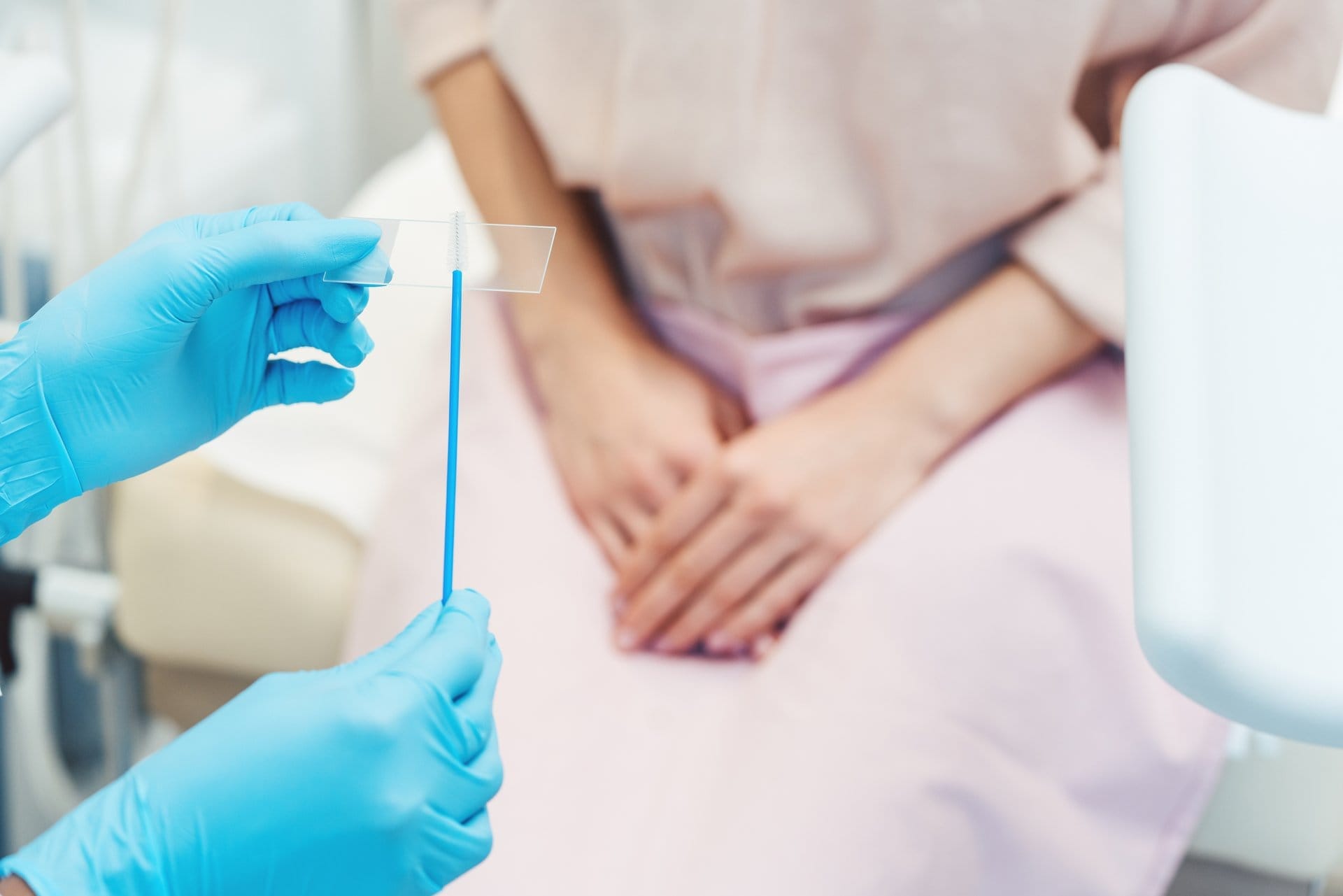
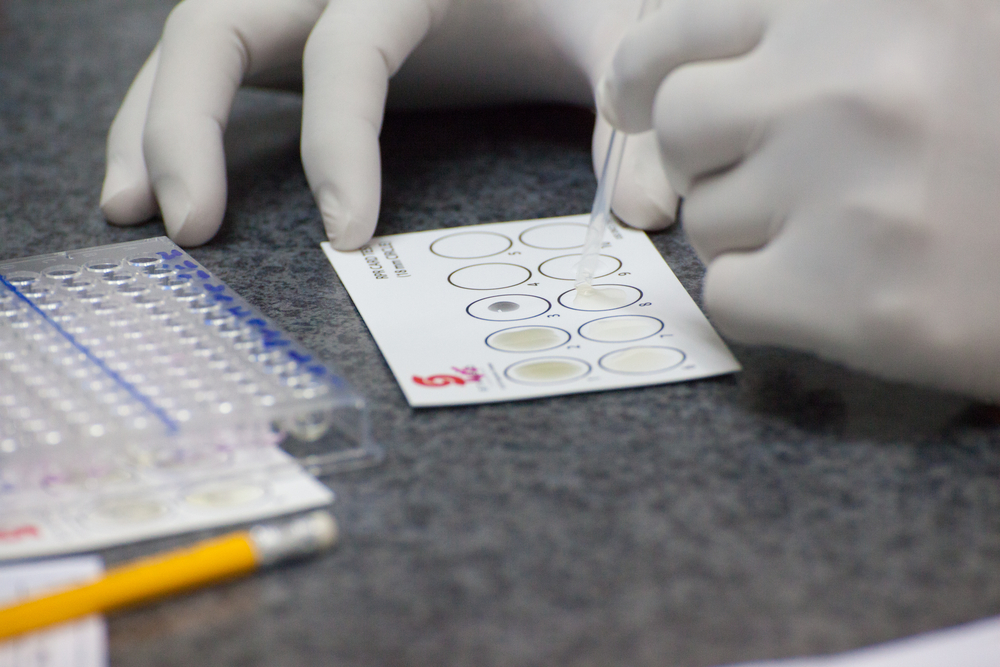
- Sample Collection: Depending on your symptoms, you may provide a blood sample, urine sample, or swab for testing.
- Results and Treatment Plan: Positive results aren’t the end of the line. Many STDs, including bacterial infections, are treatable and even curable. For others like HIV and herpes, effective treatments are available to manage symptoms and drastically improve quality of life.
Reducing Stigma and Promoting Awareness
Unfortunately, stigma around STDs can often prevent individuals from seeking care. Here’s the truth – infections are not indicators of character, morality, or worth but rather a health condition that anyone, including sexually active individuals, can face.
Here’s what we can all do to combat stigma and foster awareness:
- Normalize conversations about sexual health. Break the taboo by speaking openly with friends, sexual partners, or physicians about prevention and care, including topics like hepatitis B, sti and vaginal health.
- Use protective measures like condoms during sex to reduce transmission risks.
- Encourage regular testing as a form of self-care and responsibility, especially for those who are sexually active.
Prioritize Your Health With Support From Mediway Medical
Taking control of your sexual health is an empowering step. If you suspect exposure to an STD like human papillomavirus or simply want reassurance, schedule a STD Testing with Mediway Medical today.
Our compassionate team offers confidential consultations and expert testing, ensuring your health is important to us. Whether it’s concerns about sexual contact, the vaccine for HPV, or testing for infections in areas like the anus, we’re here to help.
Related Reading
Explore our sexual health clinic.
Frequently Asked Questions
01 Can you have an STD without any symptoms?
Yes, many STDs, such as chlamydia, gonorrhea, and HPV, can be asymptomatic, meaning you may not experience any noticeable symptoms but can still spread the infection.
02 How soon do symptoms of an STD appear after exposure?
Symptoms can appear within a few days to weeks after exposure, depending on the type of STD. Some infections may take months or even years to show symptoms.
03 What should I do if I notice potential STD symptoms?
If you experience any warning signs, it’s important to stop sexual activity and consult a healthcare provider for testing and treatment as soon as possible.






Why Choose Us
Choose Mediway Medical for reliable and efficient medical examinations, with on-site facilities, streamlined processes, and clear reporting timelines.
One-Stop Medical Centre
We provide comprehensive services in a single visit, including on-site chest X-ray and required medical tests.
Patient-Centred Experience
Our dedicated healthcare team focuses on providing clear guidance, professional care, and a comfortable clinic experience.
Minimum Waiting Time
We prioritise efficient workflows to keep waiting times short while maintaining accuracy and care quality.
Fast Turnaround Time
Medical reports are ready by the next working day, with same-day reporting available for selected cases.
Book Your Visit
Walk-ins welcome up to 30 minutes before closing.
Directions
Located in central Singapore, just a 2-minute walk from Clarke Quay MRT.
Mon–Fri before 5/6pm: $2.00 for 1st hr, $1.00 for next subsequent 30min from 7am to 5pm
Mon–Fri after 5/6pm: $3.21/entry from 5pm to 7am the following day
Sat: $2.00 for 1st hr, $1.00 for next subsequent 30min from 7am to 5pm, $3.21/entry from 5pm to 7am the following day
Sun/PH: $3.21/entry from 7am to 7am the following day
Exit E. 2-minute walk along the river towards The Riverwalk building. We are at #B1-26/29.