Feeling tired or weak more often than usual? While our busy Singaporean lifestyles can be demanding, sometimes the cause is a hidden nutritional gap. Vitamin E is a powerful antioxidant essential for protecting our cells, but a deficiency can quietly affect your immune system, nerve health, and overall vitality.
Understanding the subtle signs is the first step toward taking control of your well-being. In this post, we’ll explore the common symptoms of vitamin E deficiency and discuss the simple screening options available right here in Singapore to help you stay on top of your health.
Let’s look at how you can ensure your body has what it needs to thrive.
Understanding Vitamin E: The Essential Antioxidant
Vitamin E is a powerful antioxidant that protects the body from cellular damage. Unlike water-soluble vitamins we excrete daily, vitamin E is fat-soluble, meaning it builds up in tissues.
The vitamin E family includes eight compounds: four tocopherols and four tocotrienols. Alpha-tocopherol, the most active form, neutralizes free radicals—unstable molecules that can damage cell membranes, proteins, and DNA.
Vitamin E supports healthy red blood cells, immunity, nerve protection, blood clot prevention, and new blood vessel formation. Without enough, these functions can weaken.
The daily recommended intake is 11mg/day for adult males, adult femles 8mg/day, slightly more for pregnant women, and for children 1-3 years: 3 mg/day, 4-8 years: 5 mg/day, and 9-13 years: 8 mg/day. While these levels prevent deficiency, optimal health may require more.
In Singapore’s tropical climate, heat and humidity can increase oxidative stress, possibly raising vitamin E needs. Modern food processing and storage also reduce vitamin E in common foods.
Recognizing Vitamin E Deficiency Symptoms
Vitamin E deficiency can cause symptoms like muscle weakness, poor immunity, and vision problems. Recognizing these signs early is key to preventing health issues.

- Muscle Weakness A lack of vitamin E can lead to oxidative stress, affecting muscle health and causing weakness or damage. Vitamin E helps protect cell membranes from harm.
- Coordination and Balance Issues (Ataxia) Deficiency can impair the central nervous system, affecting nerves in the brain and spinal cord. This can cause ataxia, making movement and balance harder.
- Numbness and Tingling Nerve damage from low antioxidants may lead to numbness or tingling in the hands and feet. Vitamin E is vital for nerve health.
- Vision Problems Prolonged deficiency can damage the retina and optic nerves, causing vision issues. Vitamin E helps protect these structures from damage.
- Weak Immune System Vitamin E supports white blood cells and a strong immune system. Deficiency can lower immunity, increasing the risk of illness.
Improving vitamin E intake through diet or supplements can often reverse these symptoms and prevent complications.
The Importance of Vitamin E Testing For Overall Health
Many patients ask why a blood test is needed instead of just taking supplements. The answer is precision. Vitamin E testing provides accurate diagnosis and treatment.
Testing is crucial because vitamin E deficiency can mimic other conditions. Fatigue might suggest anemia, thyroid issues, or depression. Muscle weakness could point to protein deficiency or autoimmune problems. Neurological symptoms may hint at B12 deficiency or diabetes. Only testing can confirm if vitamin E is the cause.
Untreated deficiency can lead to serious risks. Chronic oxidative stress accelerates aging and increases disease risk. Severe cases can cause irreversible neurological damage, while immune dysfunction raises infection risks and slows healing.
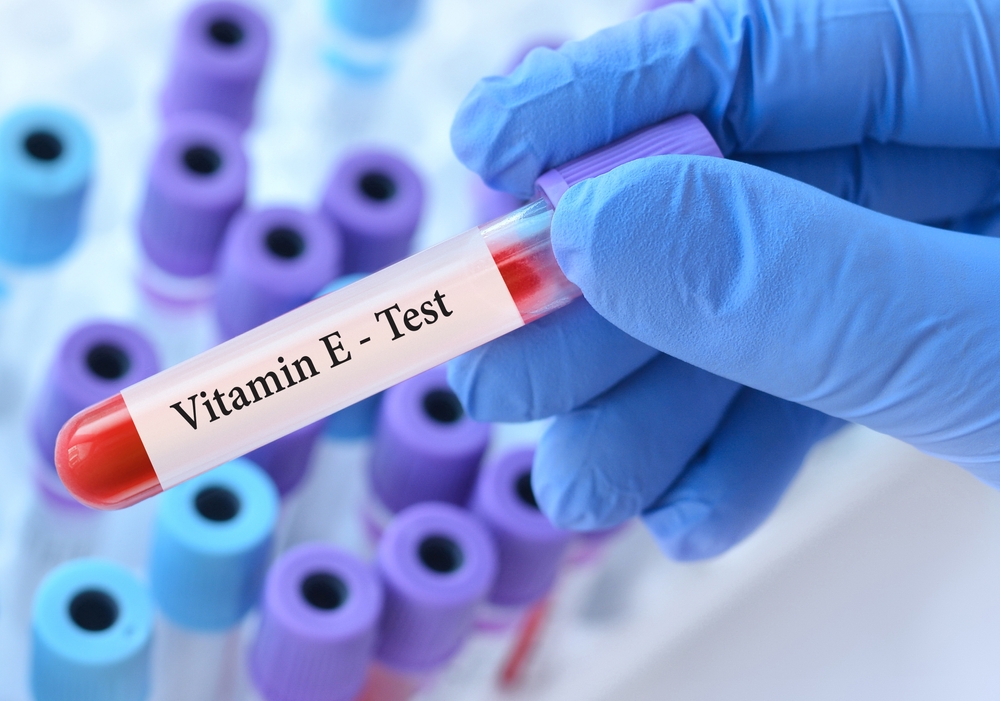
Vitamin E testing is an important part of preventive care. At Mediway Medical, I recommend including it in nutritional panels, especially for patients with risk factors or unexplained symptoms. Early detection helps prevent complications.
Certain groups benefit most: patients with malabsorption disorders, those on medications like cholestyramine or orlistat, and individuals with restrictive diets cutting out nuts, seeds, and oils. Testing is also useful for unexplained neurological symptoms, fatigue, frequent infections, or pregnant women on limited diets.
Testing provides peace of mind. Normal results rule out vitamin E as the cause, guiding further investigation. Abnormal results allow for targeted, effective treatment.
Vitamin E Testing Options in Singapore
Singapore provides a variety of reliable options for vitamin E testing through both public and private healthcare providers. Knowing your choices allows you to select the best option for your needs and budget.
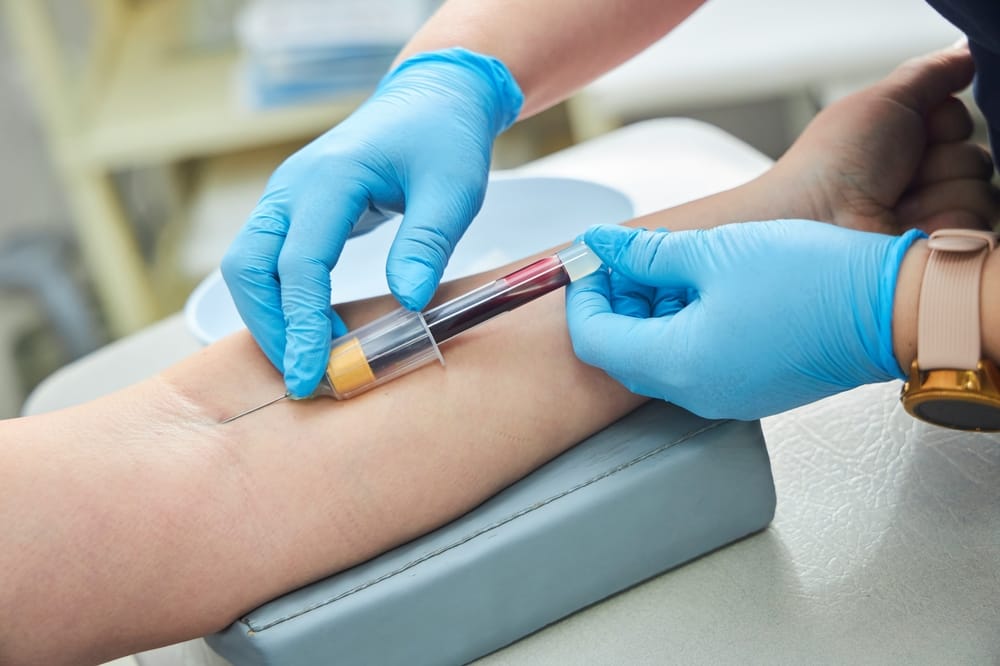
The standard test evaluates serum alpha-tocopherol levels, typically reported in micromoles per liter (μmol/L) or milligrams per deciliter (mg/dL). Normal levels generally range from 12 to 42 μmol/L or 5.0 to 17 mg/L, though higher levels may be considered optimal for some individuals. Certain laboratories also offer ratio-based assessments, comparing vitamin E levels to total lipids. This method is especially useful for patients with abnormal cholesterol levels, as it provides a more accurate analysis.
At Mediway Medical, we offer comprehensive vitamin deficiency screenings that include vitamin E, alongside other fat-soluble vitamins (A, D, K) and essential water-soluble vitamins. This holistic approach provides a thorough view of your nutritional health, helping to identify multiple deficiencies that may be contributing to your symptoms.
Maintaining Optimal Vitamin E Levels
Once you know your vitamin E levels, maintaining them becomes easier. Singapore offers plenty of food options to prevent vitamin and mineral nutritional deficiencies with small diet changes.
Vegetable Oils:
- Top sources include sunflower, safflower, and wheat germ oils.
- Palm oil (common in Singapore) contains moderate amounts, especially tocotrienols.
- Olive oil provides alpha-tocopherol.
Nuts and Seeds:
- Almonds, sunflower seeds, and hazelnuts are great options.
- Just 28 grams of almonds gives nearly half your daily needs.
- Other choices: pine nuts, peanuts, sesame seeds.
Green Leafy Vegetables:
- Spinach, Swiss chard, and turnip greens are rich in vitamin E.
- Local options like kangkung (water spinach) and chye sim provide smaller amounts.
Fortified Foods:
- Many cereals, margarines, and plant-based milks are fortified to help prevent micronutrient and vitamin b12 deficiencies.
- Check labels to confirm.
Supplements:
- Start with 15-30 IU (10-20 mg) of mixed tocopherols daily.
- Choose natural forms (d-alpha-tocopherol) over synthetic (dl-alpha-tocopherol).
- Take with meals containing fat for better absorption.
- Avoid taking mineral supplements with iron.
Lifestyle Tips:
- Smoking reduces vitamin E levels, impacting your ability to get adequate vitamins.
- Exercise may increase your requirements.
- Manage stress with proper sleep and relaxation.
Follow-Up Testing:
- For vitamin and mineral nutritional deficiencies, retest in 3-6 months.
- Once levels are optimal, annual checks are enough.
- Higher-risk individuals may need more frequent testing.
Taking Charge of Your Health Through Vitamin E Health Screening
Knowing your vitamin E levels helps you make better health decisions. Whether managing symptoms or improving your nutrition, testing provides valuable insights for effective care.
Vitamin E deficiency is both preventable and treatable. Early testing can prevent serious issues and improve your quality of life. Don’t ignore symptoms like fatigue or muscle weakness, often mistaken for aging or stress.
At Mediway Medical, we help you achieve better health with thorough screenings and personalized care. Our vitamin deficiency tests pinpoint nutritional gaps, so you can address them effectively. Book a consultation today to discuss symptoms, assess risks, and plan your testing.
Take charge of your health with proactive testing. Contact Mediway Medical to schedule your vitamin E test with our Health Screening today.