
PEP (Post-Exposure Prophylaxis) is an emergency treatment to prevent HIV infection after potential exposure, involving a 28-day course of antiretroviral medications.

You should consider Post-Exposure Prophylaxis (PEP) if you’ve had a recent potential exposure to HIV. This includes situations like unprotected sex with someone who is HIV-positive or whose status is unknown, sharing needles or injection equipment, or experiencing a needlestick injury in a healthcare setting. PEP is also recommended if you have been sexually assaulted, especially if the perpetrator’s HIV status is unknown.
PEP is an emergency intervention and must be started as soon as possible, ideally within 72 hours of the potential exposure, to be effective. The sooner you start PEP, the more likely it is to prevent HIV from establishing an infection in your body.
If any of these situations apply to you, it’s critical to seek medical advice immediately to assess your need for PEP.

If you’ve been potentially exposed to HIV, it’s crucial to start Post-Exposure Prophylaxis (PEP) as quickly as possible. Here’s how to get started:
By acting quickly and following the recommended steps, you can significantly reduce your risk of HIV infection. If you believe you’ve been exposed to HIV, don’t delay. Reach out to us via WhatsApp at >8185 5577 immediately to discuss starting PEP.
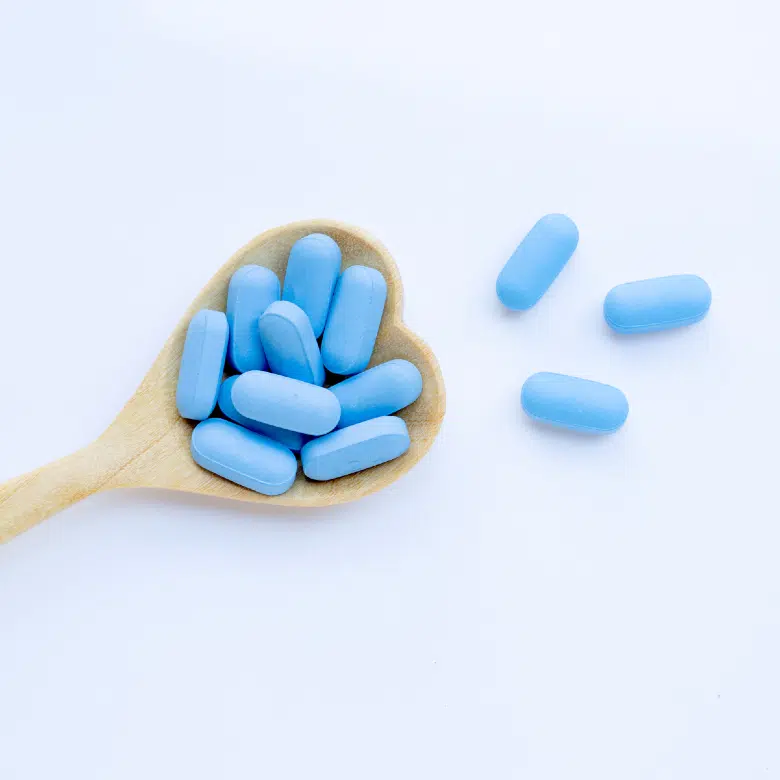
PEP (Post-Exposure Prophylaxis) is an emergency treatment to prevent HIV infection after potential exposure, involving a 28-day course of antiretroviral medications.
You should consider Post-Exposure Prophylaxis (PEP) if you have had a recent potential exposure to HIV. This includes situations such as unprotected sex with someone who is HIV-positive or whose status is unknown, sharing needles or injection equipment, or experiencing a needlestick injury in a healthcare setting. PEP is also recommended after sexual assault if the perpetrator’s HIV status is unknown. It’s important to start PEP as soon as possible, ideally within 72 hours of exposure, for it to be effective.
The side effects of taking Post-Exposure Prophylaxis (PEP) can include:
These side effects are typically mild and temporary, often improving after the first week or two. However, it’s important to stay in touch with your healthcare provider to manage any side effects and ensure the treatment is working effectively.
PEP is most effective when started as soon as possible after potential exposure to HIV. It should be initiated within 72 hours (3 days) of exposure. The effectiveness of PEP decreases significantly after this window, and it may not work if started later. To maximize the chances of preventing HIV infection, it’s critical to begin PEP as early as possible within the 72-hour timeframe.
No, PEP (Post-Exposure Prophylaxis) does not protect against other sexually transmitted infections (STIs). PEP is specifically designed to prevent HIV infection after potential exposure. To protect yourself from other STIs, it’s important to use additional preventive measures such as condoms and to undergo regular STI screenings.
No, PEP is for emergency situations after potential exposure, while PrEP (Pre-Exposure Prophylaxis) is for ongoing prevention. If you are frequently at risk, consider discussing PrEP with your healthcare provider.
You won’t feel PEP working directly, but its effectiveness is determined through follow-up HIV testing. After completing the 28-day course, you should get tested for HIV at the end of the treatment and again a few weeks later. If the tests confirm you are HIV-negative, it indicates PEP has worked. Additionally, it’s important to undergo STI screenings during your follow-up visits to ensure overall sexual health. Adhering to the medication schedule and attending all follow-up appointments are crucial for the best outcome.
Walk-ins are welcome for S Pass medical check up. You may visit us during our operating hours: 7:30 AM to 5:30 PM on weekdays, and 7:30 AM to 12:30 PM on Saturdays. We are closed on Sundays and Public Holidays.
Located in central Singapore, just a 2-minute walk from Clarke Quay MRT.
Easy access by MRT, bus, or car.